
Middlemarch: A Study of Provincial Life (novel)
George Eliot's major realist novel (published 1871–72) exploring social change, marriage and moral choices in the fictional Midlands town of Middlemarch, set 1829–32.
Overview
Middlemarch, full title Middlemarch: A Study of Provincial Life, is a long realist novel first issued in eight parts during 1871–72. Written by the English novelist English novelist who used the pen name George Eliot, it is set in a fictional Midlands town and follows a wide cast of characters across the years 1829–32. The narrative weaves several principal plots to examine personal ambition, marriage, political reform and the constraints of provincial society.
Image gallery
6 Images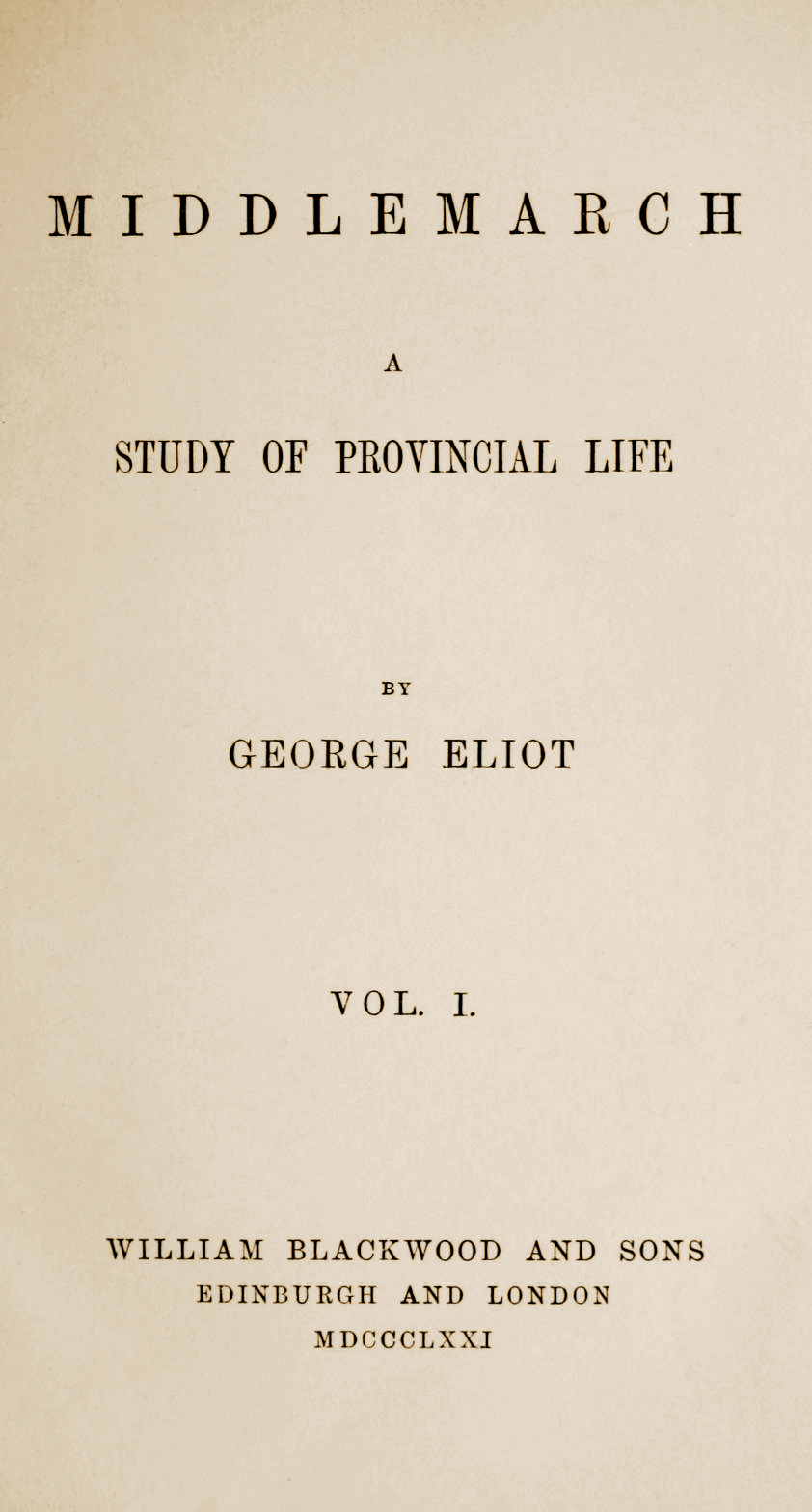



Structure and principal characters
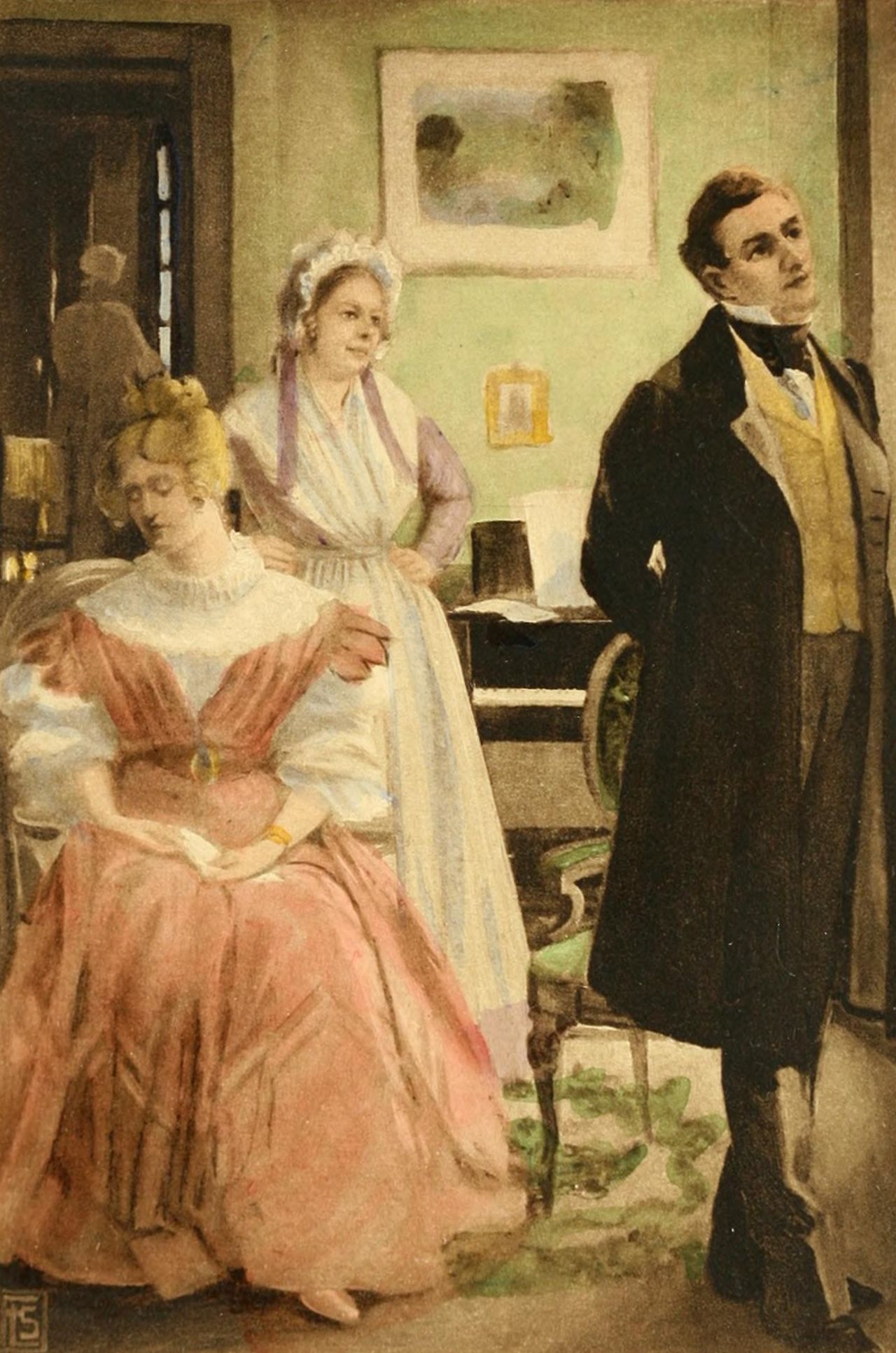
The book is notable for its panoramic scope and interlaced storylines. Rather than focusing on a single protagonist, it gives sustained attention to a number of figures and their relationships. Important characters include:
- Emma Brooke and her relationships with reform and family life
- Dr. Tertius Lydgate, an idealistic young physician
- Rosamond Vincy, whose ambitions and temperament affect Lydgate's career
- Dorothea Brooke, whose moral earnestness and frustrated marriage form a central thread
- Will Ladislaw and Mr. Casaubon, representing youthful ideals and scholarly sterility
Themes and style
Middlemarch explores themes common to Victorian fiction—marriage, class, religious belief and the effects of reform—while giving special attention to moral psychology and social causation. Eliot's narrative voice combines close psychological observation with a broad, often ironic commentary on society. The novel is frequently praised for its complex characters, moral seriousness and the way it balances personal dilemmas with wider historical currents.
Publication and historical context
Published in installments in 1871–72, the work reflects concerns of early nineteenth-century England: the beginnings of parliamentary reform, changing professional life, and tensions between tradition and progress. Eliot herself—Mary Ann Evans—chose a male pen name to ensure her novels were taken seriously; this decision and her critical engagement with contemporary thought helped shape the novel's reception.
Reception and legacy
From its first appearance Middlemarch has been regarded as one of the major achievements of English fiction. Critics and readers have admired its range, moral depth and realism; it continues to be studied in literary courses and anthologies. The novel has influenced later writers and remains a frequent subject of critical analysis and adaptation.
Further reading
For introductions, analyses and editions of the text consult reliable guides and scholarly editions. See further resources for modern commentary and annotated editions that illuminate the novel's structure, historical setting and enduring themes.
Related articles
Author
AlegsaOnline.com Middlemarch: A Study of Provincial Life (novel) Leandro Alegsa
URL: https://en.alegsaonline.com/art/64693
Sources
- quod.lib.umich.edu : Going to Middlemarch: History and the Novel