
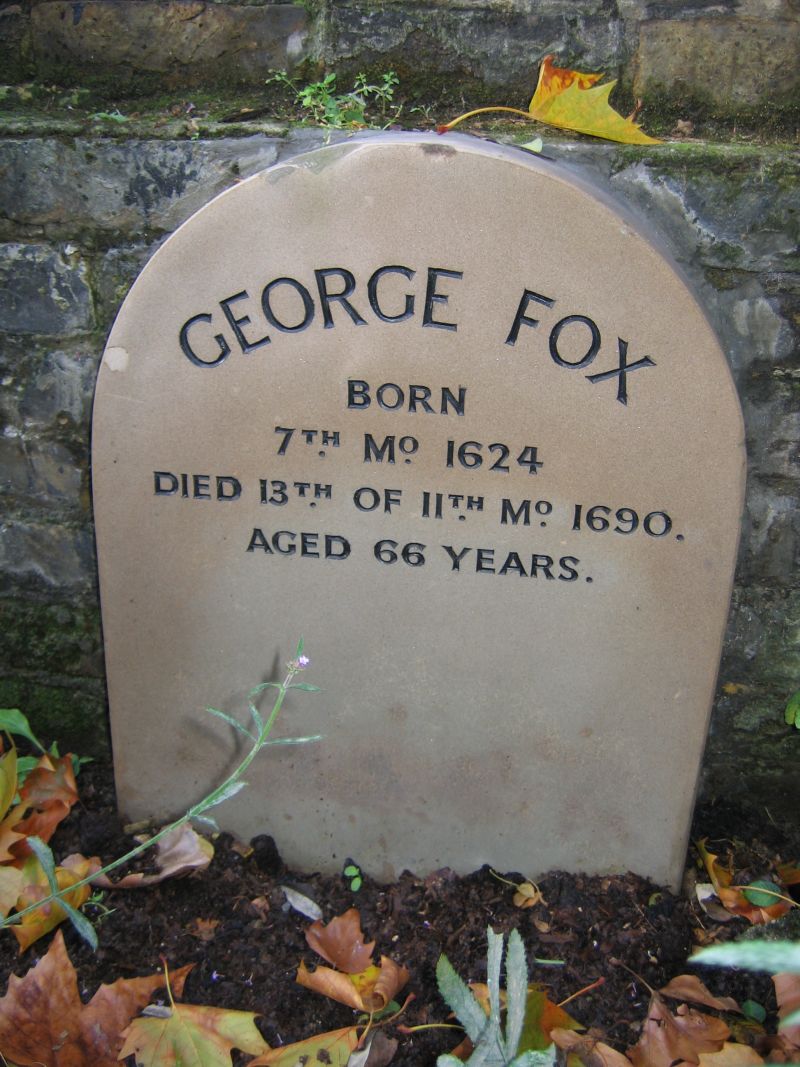
George Fox (1624–1691), founder of the Religious Society of Friends (Quakers)
English religious leader who founded the Religious Society of Friends (Quakers). Emphasized direct experience of God, simplicity, equality and pacifism; traveled widely and faced persecution.
George Fox was an English religious leader of the 17th century best known for founding the Religious Society of Friends, commonly called the Quakers. Dissenting from established practices, he promoted a form of spiritual life centered on direct, inward experience of the divine rather than on liturgy or ordained clergy. His teachings inspired a movement that emphasized plain speech, moral seriousness and communal worship without a formal priesthood.
Image gallery
10 Images







Early life and ministry
Born in the 1620s in northern England, Fox grew up during a period of intense religious debate. Disillusioned with the rituals and hierarchy of the established church, including the Church of England, he set out as an itinerant preacher. Fox traveled widely across England and into parts of Europe and the British colonies, holding meetings, debating ministers and attracting followers. His approach combined plain language with an insistence on personal conviction and conscience.
Beliefs and practices
Fox articulated several distinctive principles that became characteristic of Quaker practice:
- Inner Light: the idea that every person can experience God directly.
- No ordained clergy: rejected a professional priesthood and sacraments as necessary intermediaries.
- Plainness and equality: simple dress and speech, and an emphasis on social equality, including between men and women.
- Pacifism and integrity: refusal of violence, oaths and practices seen as dishonest or oppressive.
Activities, writings and influence
Fox was a prolific organizer and correspondent. He endured imprisonment and legal penalties for challenging social and religious norms, while his personality and writings, including his personal narrative, helped spread Quaker ideas to Britain, Ireland, continental Europe and North America. Followers established meetings that continue today and contributed to later social reforms, including campaigns for prison reform, abolition of slavery and expanded civil liberties.
Legacy and distinctions
George Fox is remembered as a founder of a movement that combined radical religious ideas with practical communal institutions. The Religious Society of Friends remains distinct among Christian groups for its consensus decision-making, silent worship and longstanding commitment to peace and social justice. While rooted in the 17th century, Fox's emphasis on conscience and equality influenced later religious and social developments.
Related articles
Author
AlegsaOnline.com George Fox (1624–1691), founder of the Religious Society of Friends (Quakers) Leandro Alegsa
URL: https://en.alegsaonline.com/art/38214