
Ancestral Puebloans: People, Architecture, and Cultural Legacy
Ancient Native communities of the Four Corners region known for stone pueblos, cliff dwellings, pottery, irrigation systems and ceremonial traditions that influenced today’s Pueblo peoples.
Overview
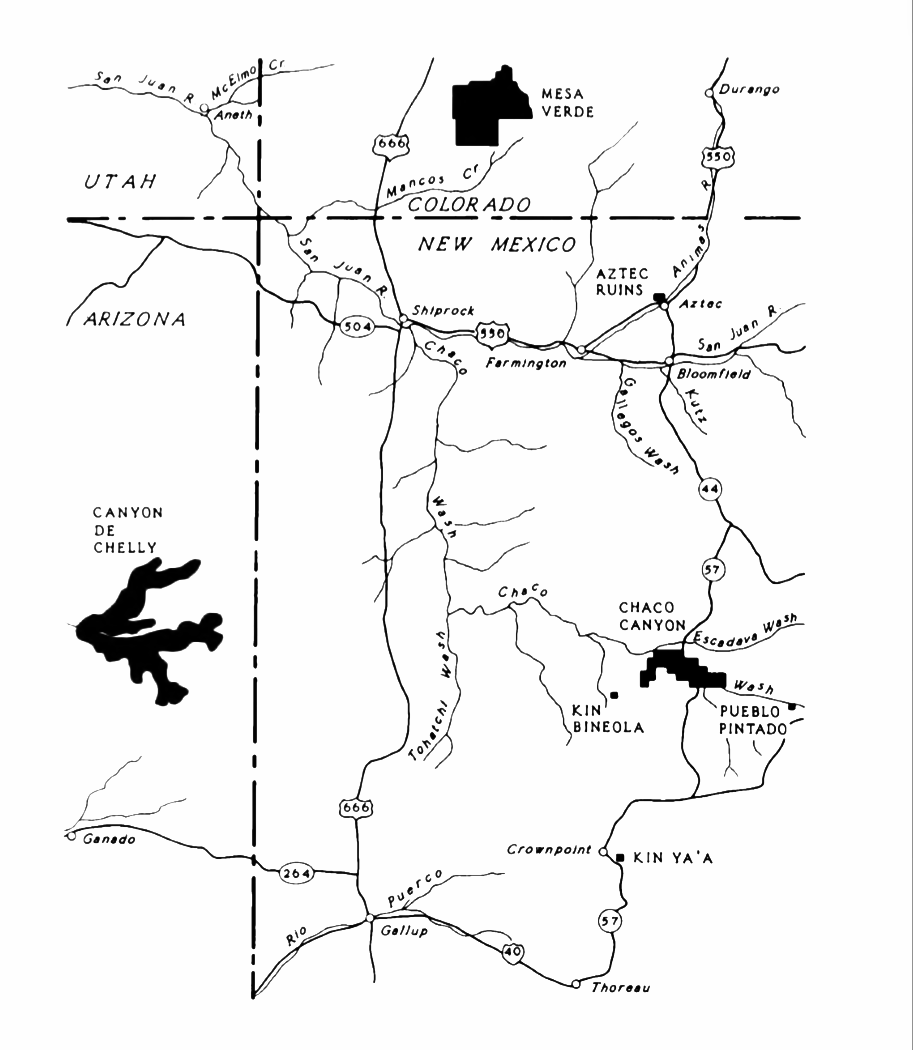
The Ancestral Puebloans were Indigenous communities who developed a distinctive way of life in the Southwestern United States. Archaeologists and historians use the term "Ancestral Puebloans" to describe the people once referred to by Navajo speakers as Anasazi; many modern descendant communities prefer other names. Their occupation of the region spanned centuries, with major settlements concentrated in what are now Colorado, Utah, Arizona and New Mexico. The archaeological record shows complex social organization, agricultural expertise and long-distance connections across the American Southwest and beyond.
Image gallery
10 Images



Key characteristics
The material and architectural remains that define this culture include:
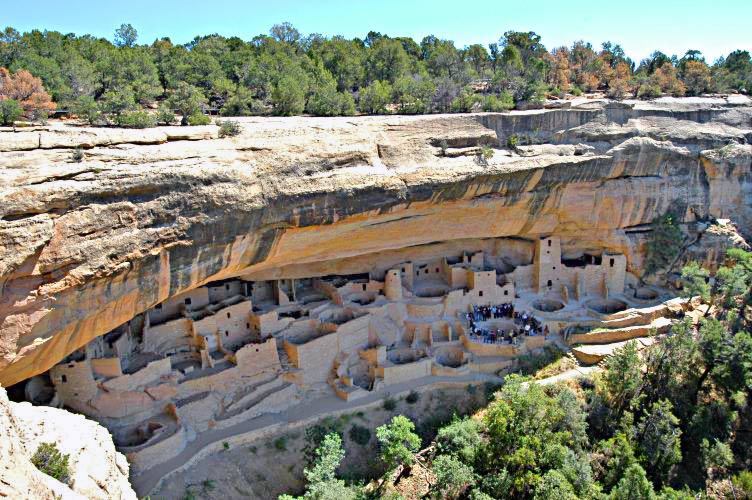
- Pueblos and cliff dwellings: multiroom stone or adobe structures, often built in mesas or in sheltered cliff alcoves.
- Ceremonial spaces: subterranean circular kivas used for ritual, social and political gatherings.
- Agriculture and water management: reliance on maize, beans and squash supported by dry farming and, in some valleys, constructed irrigation.
- Material culture: pottery styles (including black-on-white designs), basketry, and textiles that reveal technical skill and regional trade networks (pottery, weaving).
History and change
Settlement patterns and social structures evolved over many centuries. From early pit-house villages to large masonry towns and cliffside communities, the Ancestral Puebloans adapted to shifting environmental and social conditions. In the late 1200s and later centuries many sites were abandoned; researchers point to a combination of prolonged drought, resource pressures, social reorganization and migration as possible factors. Ongoing work by archaeologists continues to refine this picture.
Major sites and legacy
Several large sites preserve outstanding ruins and have been recognized for their universal value. Examples include monumental complexes and road systems that attest to regional coordination. Remains such as painted symbols, petroglyphs and household artifacts provide insights into daily life, belief and exchange. Knowledge from these sites helped descendant groups maintain cultural continuity and informed modern understandings of Pueblo origins and identity; many contemporary Pueblo peoples trace aspects of their heritage to Ancestral Puebloan communities.
Notable distinctions
The name "Ancestral Puebloans" emphasizes cultural continuity with living Pueblo nations rather than the older exonym. Their achievements—particularly in communal architecture, ceramics and adaptive farming—make them a central subject for studies of prehistoric North America. For further context and summaries, see entries and resources on the Ancestral Puebloans and regional overviews linked through research portals (Southwest references).
Additional reading and site-specific information are available through archaeological and heritage organizations that document these cultures and protect their monuments for future generations.
Tags
Related articles
Author
AlegsaOnline.com Ancestral Puebloans: People, Architecture, and Cultural Legacy Leandro Alegsa
URL: https://en.alegsaonline.com/art/3818
Sources
- britannica.com : "Ancestral Pueblo culture."