
Geophysical Fluid Dynamics Laboratory (GFDL)
NOAA research laboratory specializing in atmosphere and ocean dynamics, numerical climate and earth‑system modeling, and the development of tools for weather and climate prediction.
Overview
The Geophysical Fluid Dynamics Laboratory (GFDL) is a research laboratory within the National Oceanic and Atmospheric Administration (NOAA)/Office of Oceanic and Atmospheric Research. GFDL focuses on understanding the physics of the atmosphere, ocean and climate system by combining theory, observations and numerical simulation. Its mission centers on improving predictive capability for weather, seasonal to decadal variability, and long‑term climate change.
Image gallery
1 Image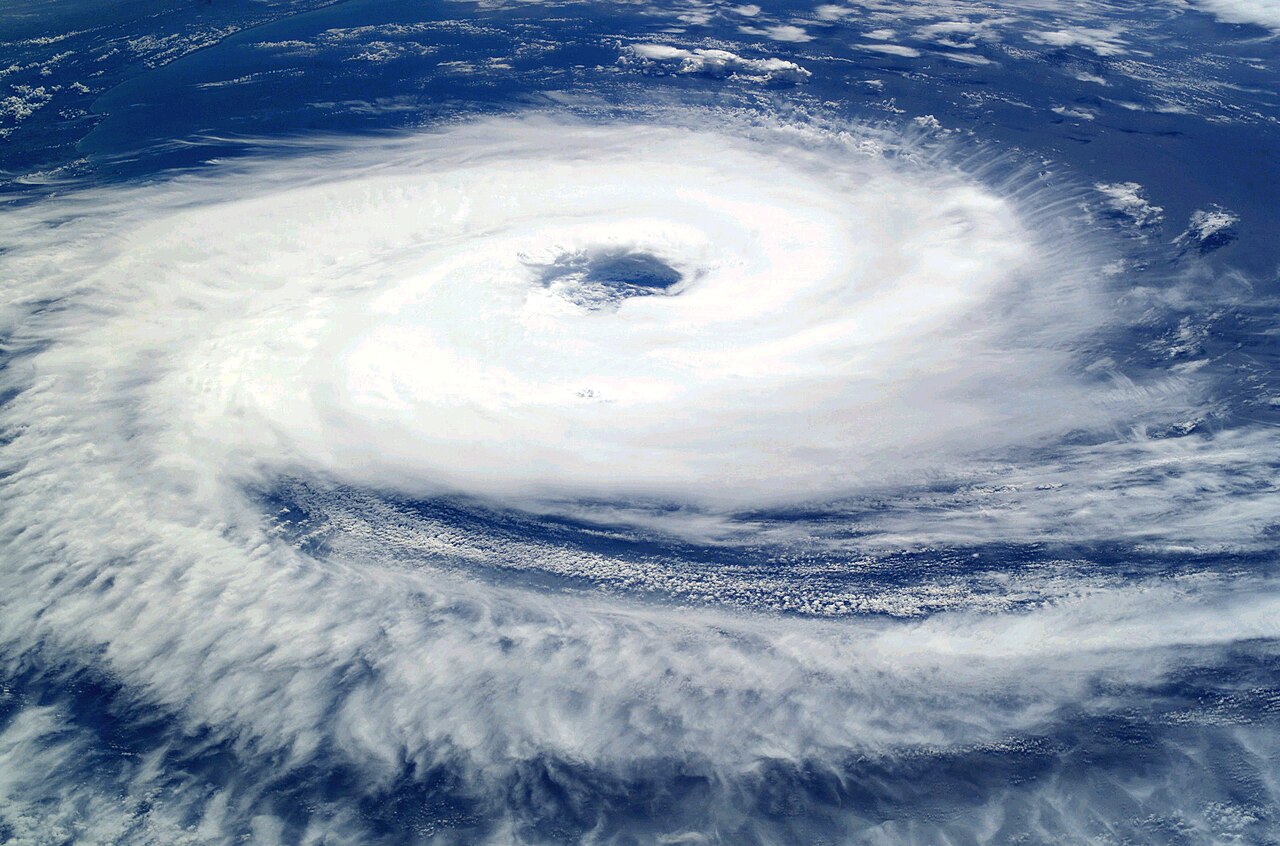
Research areas and scope
Work at GFDL spans fundamental fluid dynamics through applied climate science. Major areas include:
- Atmospheric dynamics and convection
- Ocean circulation and thermodynamics
- Coupled atmosphere‑ocean modeling and interactions
- Climate variability and climate change
- Model development, evaluation and data assimilation
Methods, tools and infrastructure
GFDL develops and uses numerical general circulation models (GCMs) and earth‑system models to represent the coupled atmosphere, ocean, land and sea‑ice. These models run on high‑performance computing systems and are tested against observational records and controlled experiments. The laboratory emphasizes reproducible science, model evaluation, and the transfer of models and datasets to the broader research community.
History and organization
Established during the era when numerical weather and climate prediction emerged as a scientific discipline, GFDL has evolved into a multidisciplinary center that blends theory, computation and observation. It is staffed by physical scientists, oceanographers, modelers, software engineers and technical personnel. GFDL works closely with universities, other federal agencies and international assessment bodies to advance climate science and forecasting capability.
Applications and impact
Results from GFDL research inform seasonal forecasting, climate projections used by policymakers and resource managers, risk assessments for extreme events, and scientific assessments of human influence on climate. Model outputs and diagnostics support decision making in sectors such as water resources, coastal planning and ecosystem management.
Distinctive features and outreach
GFDL is notable for its emphasis on the fundamental fluid‑dynamic processes that drive atmospheric and oceanic behavior and for developing coupled models that link those processes at multiple scales. The laboratory contributes tools, publications and training to the scientific community and participates in collaborative model intercomparison and assessment efforts to improve confidence in climate information.
Related articles
Author
AlegsaOnline.com Geophysical Fluid Dynamics Laboratory (GFDL) Leandro Alegsa
URL: https://en.alegsaonline.com/art/38153