
Glaciation: formation, types, effects, and climate role
Glaciation is the growth and movement of land ice. This article explains how glaciers form, the landforms they leave, their climate role, and the orbital cycles that drive ice ages.
Glaciation is the process by which persistent ice masses form and shape terrestrial landscapes. Unlike sea ice, glaciation refers specifically to large bodies of land ice — glaciers and ice sheets — that accumulate from compacted snow, flow under their own weight, and sculpt the ground beneath them. For more on individual ice masses see glaciers.
Image gallery
2 Images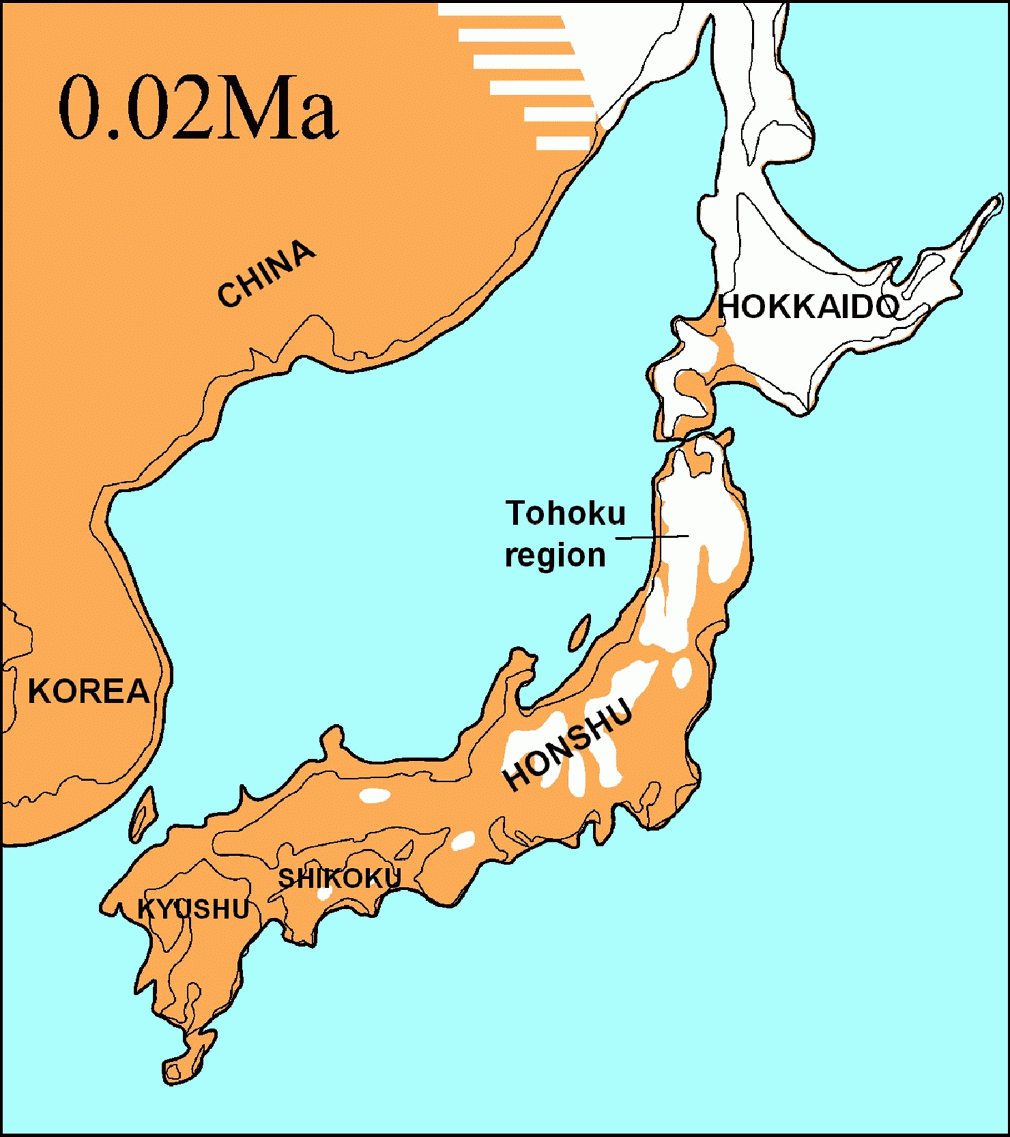
Processes and characteristics
Glacial systems are governed by a balance between accumulation (snowfall and compaction) and ablation (melting, sublimation, calving). Ice deforms internally by plastic flow and can slide over bedrock where meltwater reduces friction. Common features of active glaciers include crevasses, icefalls and medial moraines where ice streams converge.
Landforms and impacts
As glaciers advance and retreat they create distinctive landforms and deposits. Typical results include:
- U-shaped valleys, cirques and arêtes carved by alpine glaciers.
- Moraines, drumlins and eskers produced by moving ice and meltwater.
- Fjords where glacial valleys were inundated by the sea, and outwash plains formed by sediment-laden streams.
These features alter drainage patterns, redistribute sediments, and influence soils, ecosystems and human land use over long timescales.
History and climate drivers
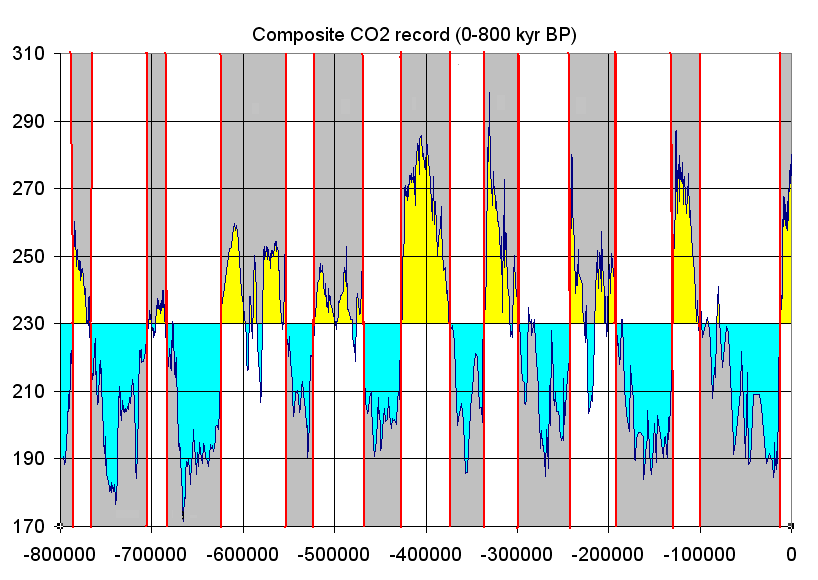
Glaciation has varied widely through Earth history, with many continental-scale ice ages during the Pleistocene epoch. The timing of ice advances and retreats is linked to changes in Earth’s orbit and tilt—collectively known as the Milankovitch theory—which modulate incoming solar radiation and help trigger glacial and interglacial cycles.
Ice sheets also act as archives of past climate: layers preserved in ice cores record atmospheric composition, temperature proxies and volcanic ash, providing direct evidence of past environmental change.
Modern importance and distinctions
Today glaciers and ice sheets are vital fresh water reservoirs, contributors to sea-level change, and sensitive indicators of contemporary warming. Glaciation should be distinguished from permafrost (permanently frozen ground) and seasonal snow cover; it specifically involves persistent, flowing land ice. Rapid glacier retreat in many regions poses hazards such as glacial lake outburst floods and long-term impacts on water supplies downstream.
For general overviews and glacier types see glaciers, and for the astronomical forcing of ice ages consult discussions of the Milankovitch theory.
Related articles
Author
AlegsaOnline.com Glaciation: formation, types, effects, and climate role Leandro Alegsa
URL: https://en.alegsaonline.com/art/39069
Sources
- uwsp.edu : uwsp.edu
- ncdc.noaa.gov : ncdc.noaa.gov/paleo/glaciation.html
- museum.state.il.us : museum.state.il.us/exhibits/ice_ages/why_glaciations1.html