
Geyser: erupting hot springs and how they form
Geysers are rare hot springs that periodically eject water and steam. This article explains their formation, types, global distribution, scientific importance, and safety considerations.
Overview
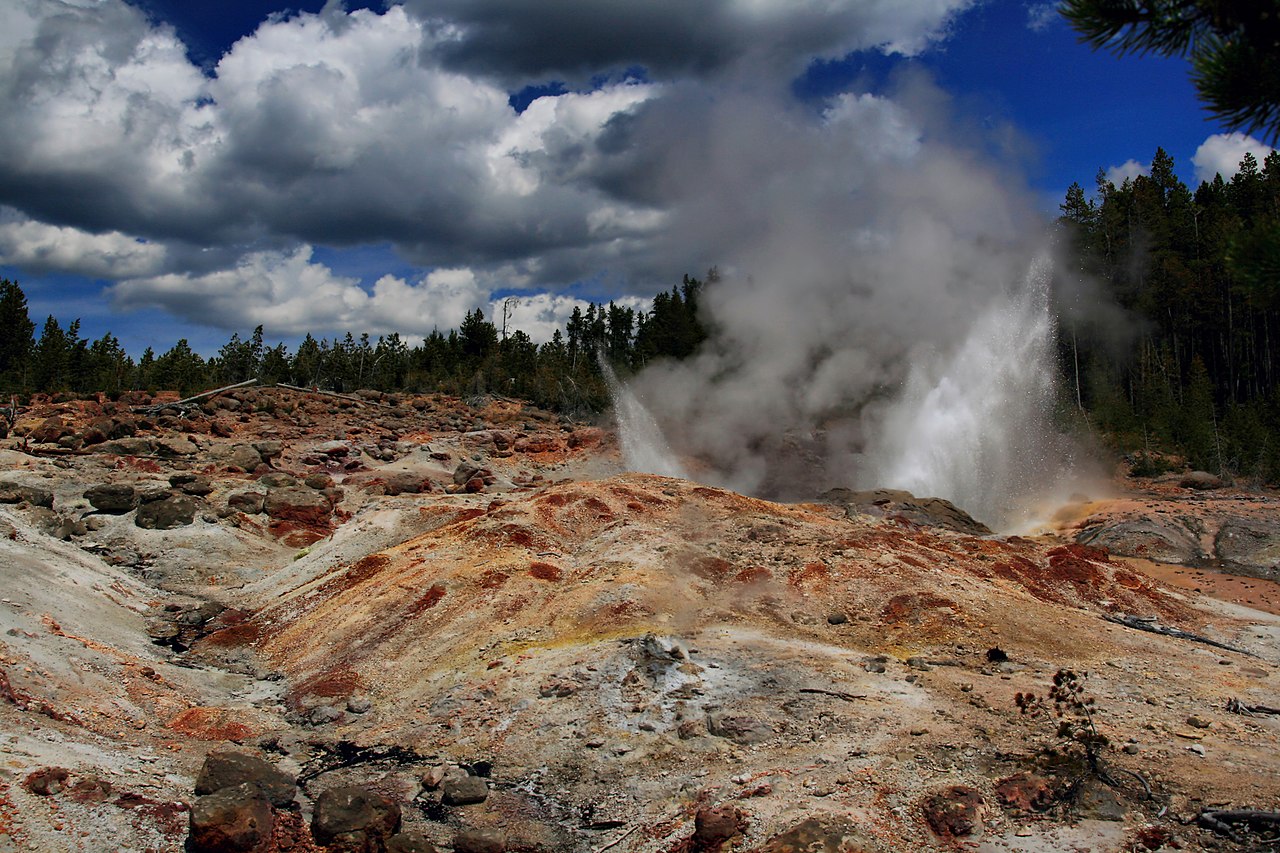
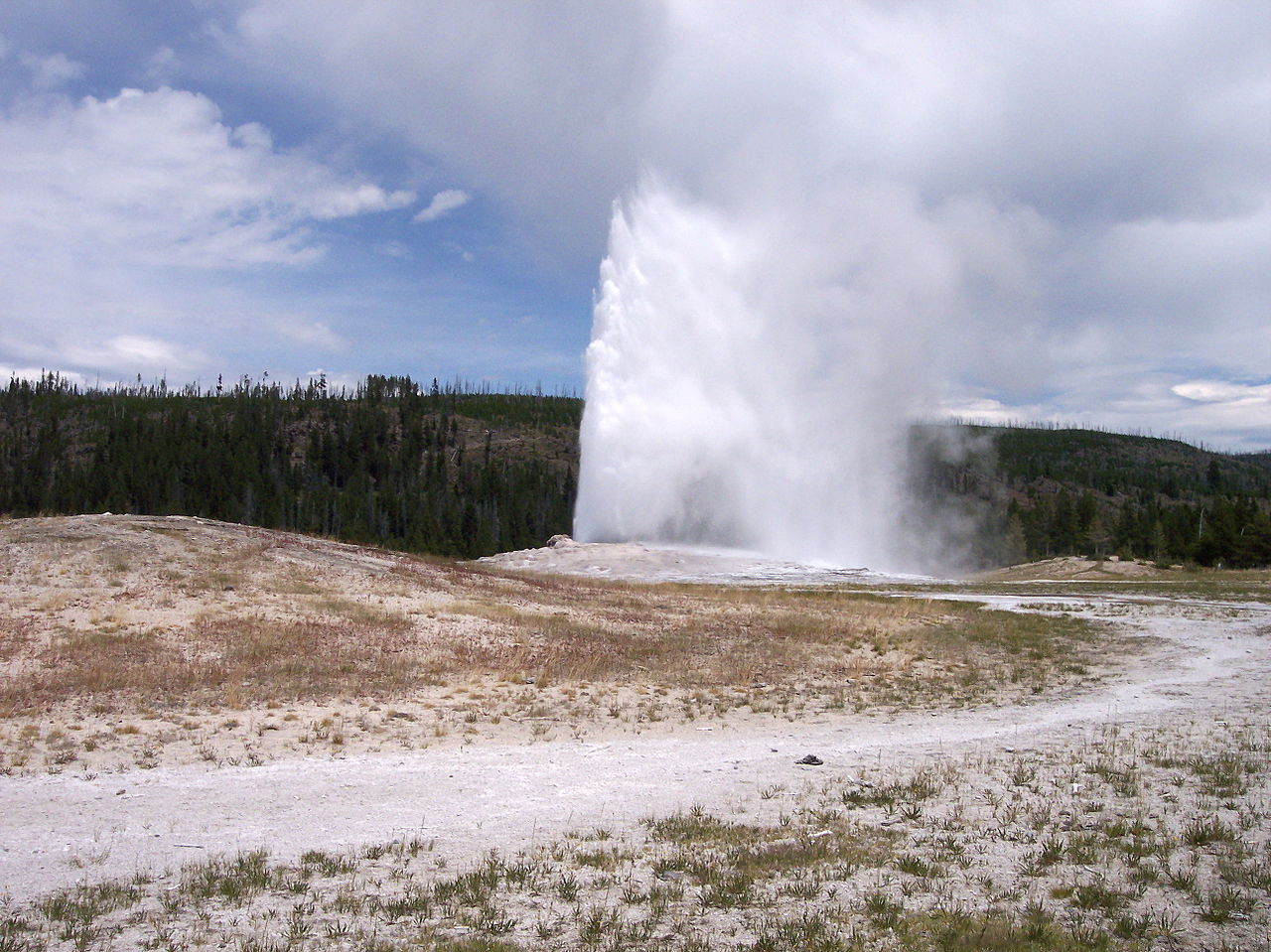
A geyser is a type of hot spring that intermittently expels columns of water and steam. Eruptions range from brief spurts to powerful, sustained blasts, driven by subsurface heat and confined plumbing. Geysers are uncommon: there are roughly a thousand worldwide, and a significant portion are concentrated in Yellowstone National Park in Wyoming, United States.
Image gallery
10 Images





How geysers form
Geysers require a specific combination of heat, water, and interconnected cavities or channels in rock. Groundwater percolates down to hot rock heated by magma or a geothermal gradient. As water warms in constricted chambers, pressure keeps it liquid above its normal boiling point. When boiling begins in a lower zone, expanding steam forces water out of the vent, reducing pressure and triggering rapid flashing of remaining water to steam—producing an eruption.
Characteristics and types
Geysers display varied behavior based on their underground "plumbing." Two broad categories are often noted: cone geysers, which build mineral deposits (geyserite) around a narrow vent and produce violent jets, and fountain geysers, which erupt from pools in bursts. Eruption frequency can be fairly regular for some geysers and highly irregular for others.
Distribution and notable areas
Geysers are clustered in regions with recent volcanic activity or high geothermal heat flow. Besides Yellowstone, other well-known geyser fields occur in Iceland, New Zealand, and parts of Russia and Chile. Local geology and water chemistry influence how many geysers form and how long they remain active.
Scientific and cultural importance
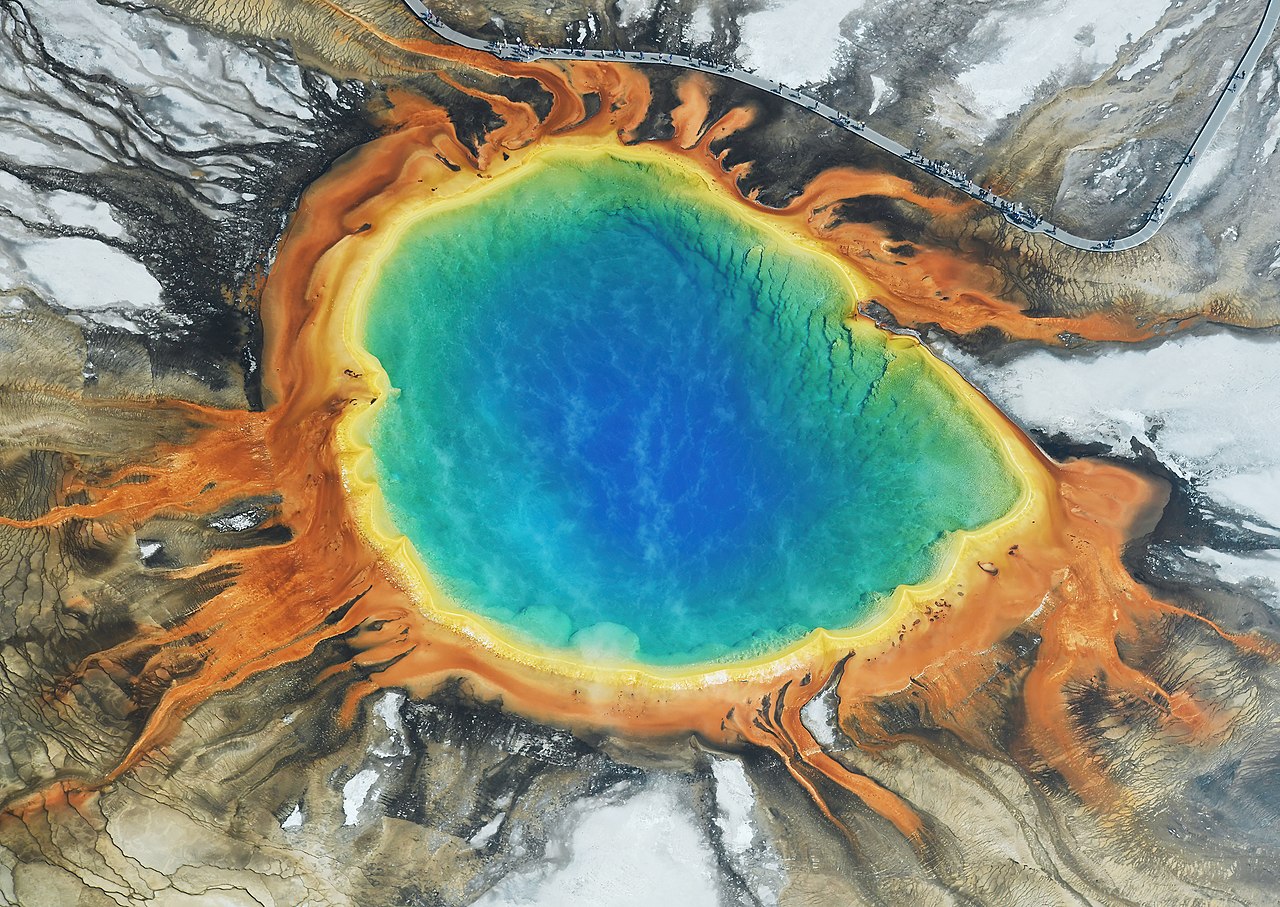
Geysers are valuable natural laboratories for studying geothermal processes, extremophile organisms, and mineral deposition. They attract visitors for their dramatic displays and have shaped local tourism. Researchers monitor geyser behavior to learn about subsurface changes and broader geothermal systems.
Safety and conservation
- Geyser areas are fragile; walking off designated paths can damage thermal features and endanger people.
- Mineral deposits and microbial mats are part of delicate ecosystems; conservation aims to protect these along with visitor safety.
- Although geopower uses geothermal heat, direct exploitation of geyser fields is limited because it can alter or destroy eruptions.
For further reading, see resources on geothermal features and park guides that describe notable geysers and recommended visitor practices. Links above point to broader information resources and regional descriptions.
Questions and answers
Q: What is a geyser?
A: A geyser is a type of hot spring that releases water and steam in periodic eruptions.
Q: What causes geysers to erupt?
A: Geysers erupt when pressure builds up beneath the earth's surface, causing the water and steam to shoot out.
Q: How many geysers are there around the world?
A: There are approximately 1000 geysers around the world.
Q: Where is the majority of geysers located?
A: About half of the world's geysers are located in Yellowstone National Park in the United States.
Q: Can geysers be found in other countries besides the United States?
A: Yes, geysers can be found in other countries besides the United States.
Q: Are all hot springs considered geysers?
A: No, not all hot springs are considered geysers. Geysers have a distinct periodic eruption pattern.
Q: Are geysers dangerous for visitors to be around?
A: Geysers can be dangerous, and visitors should always follow posted warnings and guidelines to ensure their safety.
Related articles
Author
AlegsaOnline.com Geyser: erupting hot springs and how they form Leandro Alegsa
URL: https://en.alegsaonline.com/art/38606
Sources
- uweb.ucsb.edu : Carbon Dioxide-Driven, Cold Water Geysers
- uweb.ucsb.edu : About Geysers