
Lakes formed by glaciers (glacial lakes)
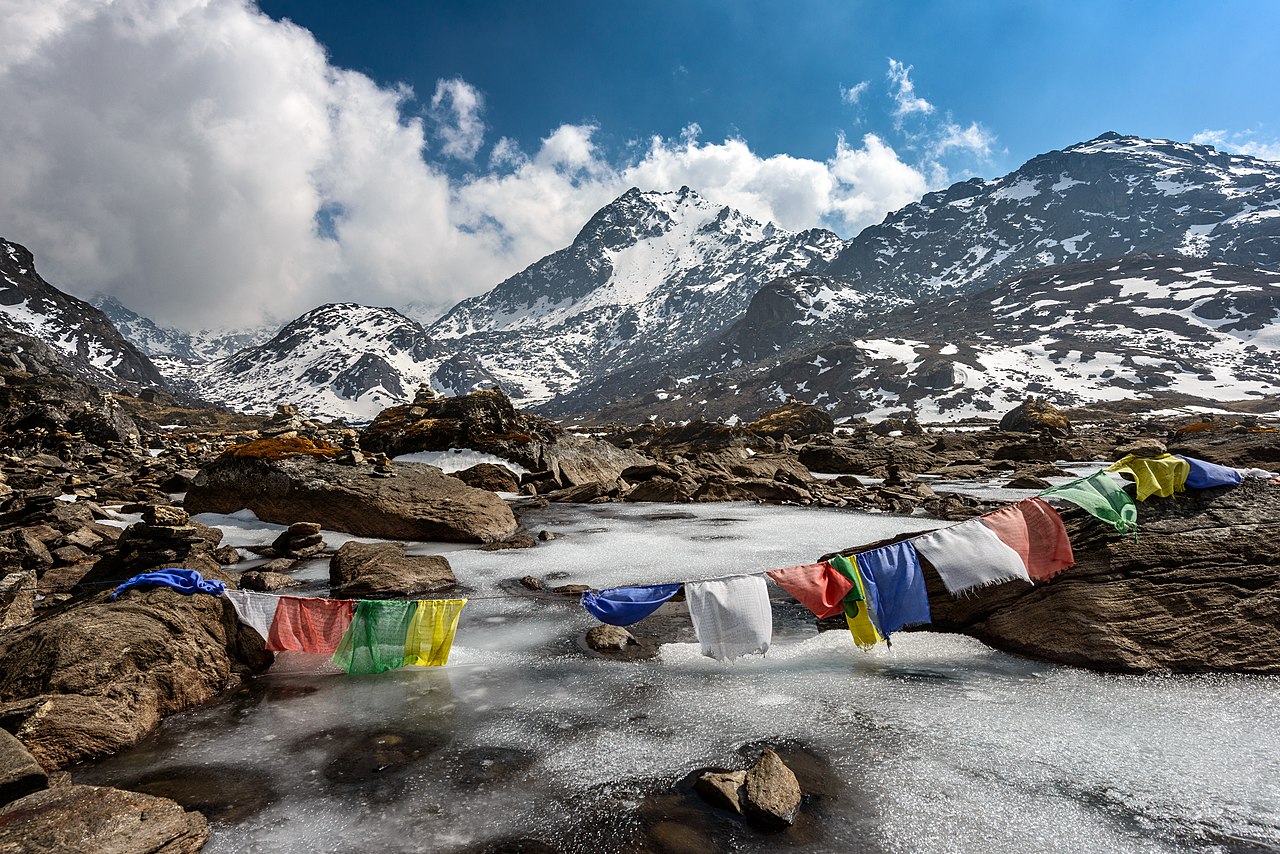
Bodies of water that occupy depressions carved or dammed by glaciers. They form when ice melts and water fills hollows; types include cirque, moraine-dammed, kettle and ribbon lakes.
Overview
Glacial lakes are bodies of water that occupy basins created or modified by moving ice. They are a form of lake whose location and shape reflect past or present glacial action.
Image gallery
10 Images




Formation
When a glacier advances it erodes and reshapes bedrock by processes such as plucking and abrasion. As the glacier retreats or melts, the hollows, overdeepened troughs or areas behind deposited debris fill with meltwater, producing a glacial lake.
Common types
- Cirque (tarn): small, bowl-shaped lakes high in mountain amphitheaters.
- Moraine-dammed: lakes held behind ridges of glacial debris.
- Kettle: depressions left by buried ice blocks that later melt.
- Ribbon: long, narrow lakes formed in overdeepened glacial valleys.
Importance and hazards
Glacial lakes provide habitat, store freshwater and influence river systems. Some can be unstable; sudden breaches or glacial lake outburst floods (GLOFs) can threaten downstream communities and infrastructure.
Related articles
Author
AlegsaOnline.com Lakes formed by glaciers (glacial lakes) Leandro Alegsa
URL: https://en.alegsaonline.com/art/39068
Sources
- rstb.royalsocietypublishing.org : rstb.royalsocietypublishing.org/content/250/765/165.abstract
- pbs.org : pbs.org/wgbh/nova/megaflood/lake.html
- commons.wikimedia.org : Glacial lakes