
Glaciology: the science of glaciers, ice sheets, and frozen ground
Glaciology is the scientific study of glaciers, ice sheets, sea ice and frozen ground, their physical processes, histories and impacts on climate, sea level, water resources and landscapes.
Overview
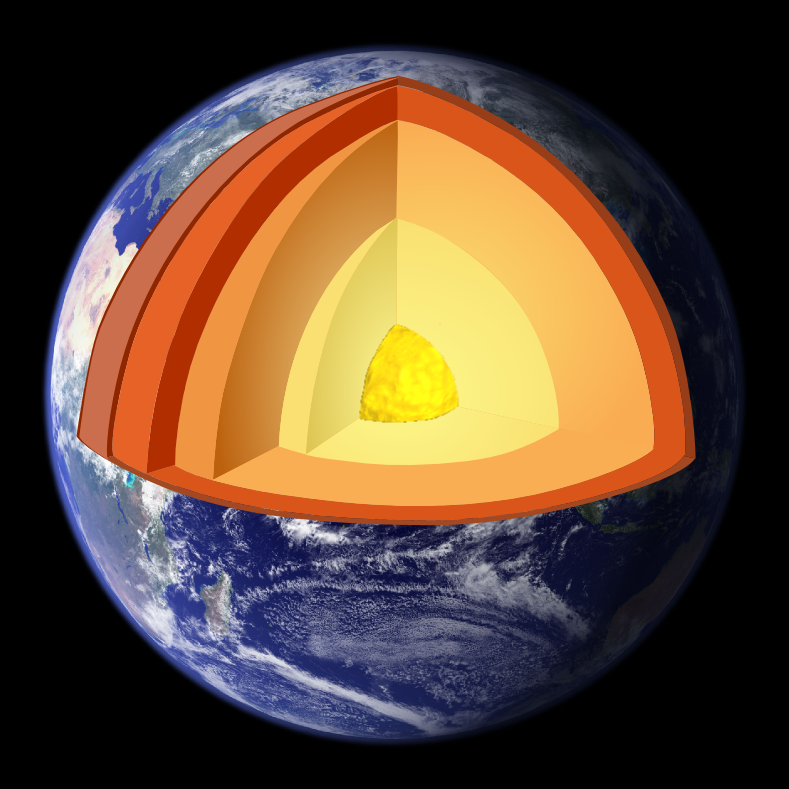
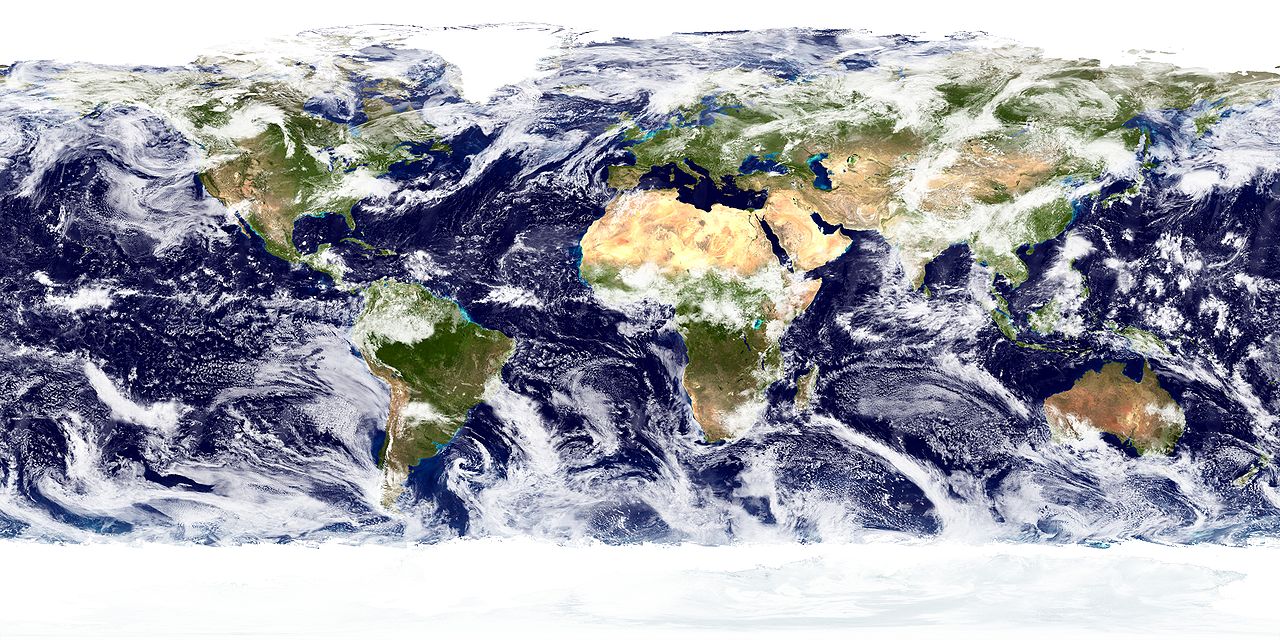
Glaciology is the branch of Earth science that examines the properties, dynamics and distribution of natural ice and frozen ground. It covers glaciers, ice caps, ice sheets, sea ice, permafrost and seasonal snow. Glaciologists seek to understand how ice forms, flows and interacts with the atmosphere, oceans and solid Earth.
Image gallery
9 Images




Characteristics and parts
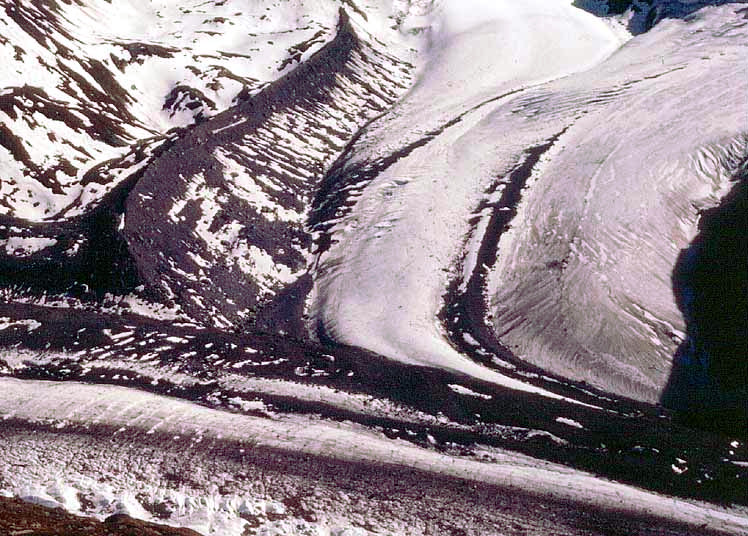
Glacial systems are commonly described by parts and processes such as accumulation (snow input), ablation (melting and sublimation), internal deformation, basal sliding and calving where ice breaks into water. Distinct types include:
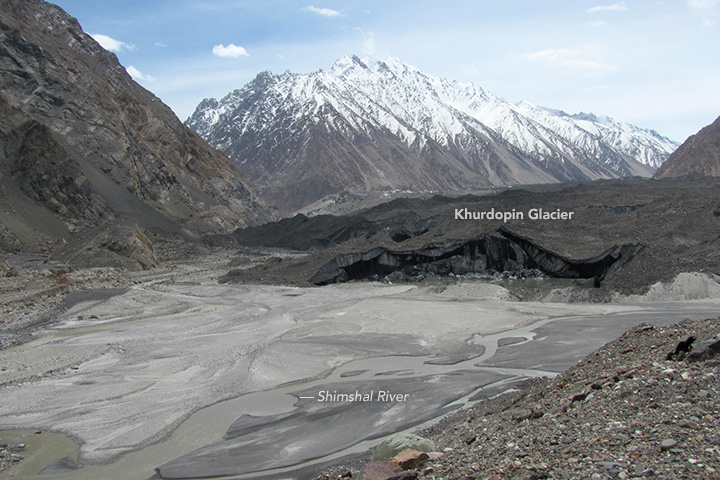
- Valley glaciers and mountain glaciers
- Ice caps and continental ice sheets
- Tidewater glaciers that terminate in the sea
- Sea ice and permafrost (frozen soil and rock)
History and development
Interest in glaciers dates to early explorers and naturalists who documented glacial landforms and seasonal changes. Systematic study expanded in the 19th and 20th centuries as scientists developed theories of ice motion and used growing field measurements. Institutions and societies now coordinate international research; for example, the International Glaciological Society promotes collaboration and publishes findings.
Methods and tools
Modern glaciology combines fieldwork, remote sensing and laboratory analysis. Common methods include ice-core drilling to read past climates, satellite and aerial imagery to map ice extent and elevation, geophysical surveys of bed topography, and numerical models that simulate ice flow and climate interactions.
Importance and impacts
Glaciers and ice sheets play central roles in the global climate system and water cycle. They store freshwater, influence sea level when they gain or lose mass, and preserve long-term climate records in ice cores. Glacier change can create hazards such as outburst floods and affect ecosystems and human water supplies. Learn more about the discipline or follow recent studies to see how ongoing observations refine projections of future ice change.
Notable distinctions
Glaciology overlaps with climatology, hydrology, geology and oceanography but focuses specifically on ice processes and their consequences. Research spans scales from crystal-scale deformation to continental ice-sheet behavior and uses both observational and theoretical approaches to address environmental and societal questions.
For introductory overviews and further resources consult specialized textbooks, review articles and institutional summaries available through scientific organizations and research centers.
Related articles
Author
AlegsaOnline.com Glaciology: the science of glaciers, ice sheets, and frozen ground Leandro Alegsa
URL: https://en.alegsaonline.com/art/39072