
Geodesic dome: design, history, construction, and uses
A geodesic dome is a spherical or partial-spherical structure built from a network of triangles. This article explains its form, engineering advantages, history, applications and notable variations.
A geodesic dome is a shell structure that approximates a sphere or hemisphere by subdividing its surface into a network of largely triangular elements. The resulting framework distributes loads evenly across the structure, allowing a large clear span with relatively little material. The concept takes its name from geodesics — the shortest paths between points on a curved surface — and can be assembled from metal struts, timber, concrete panels or glazing. For a concise definition, see geodesic dome and for general sphere geometry see sphere geometry.
Image gallery
8 Images


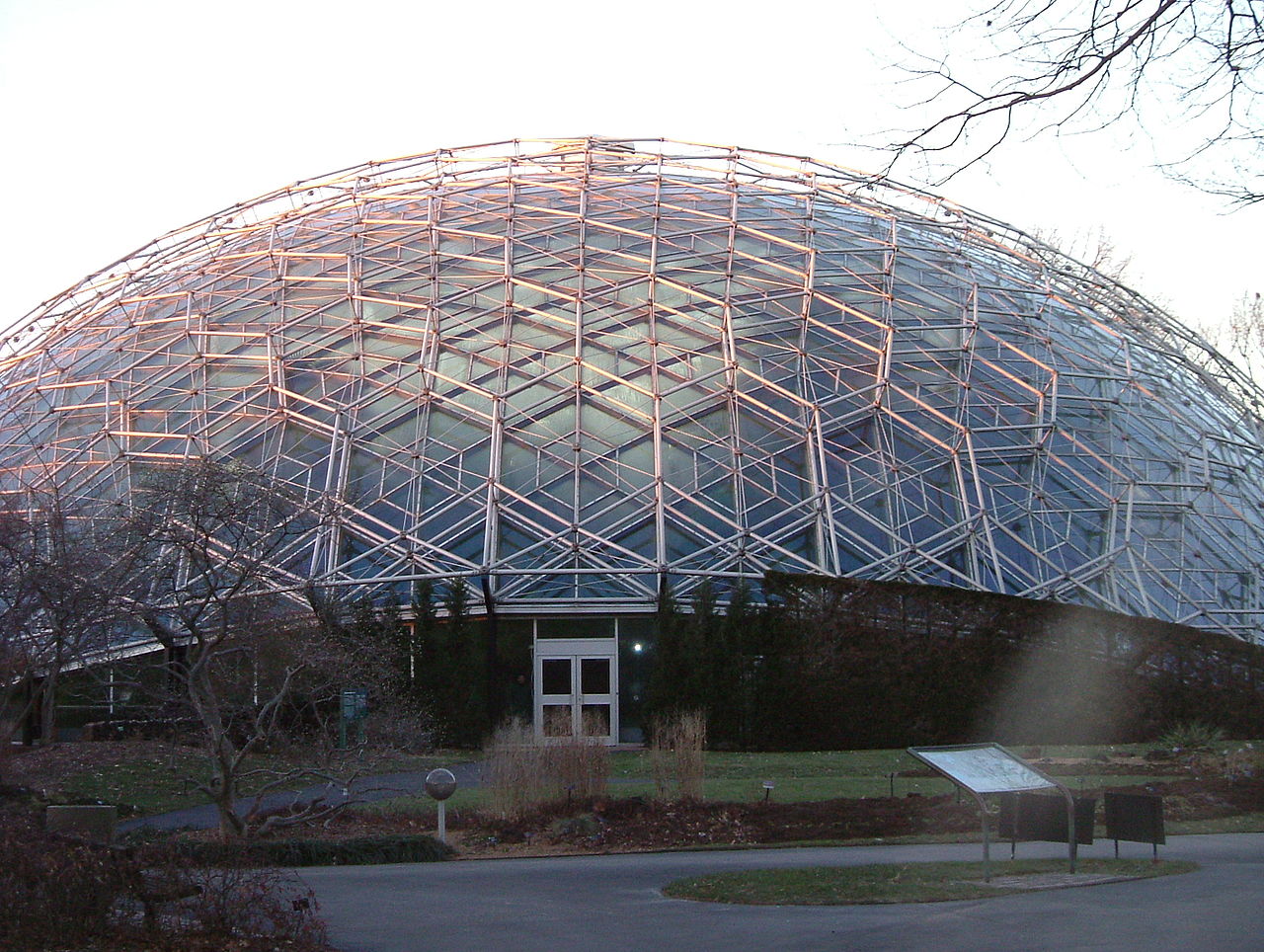
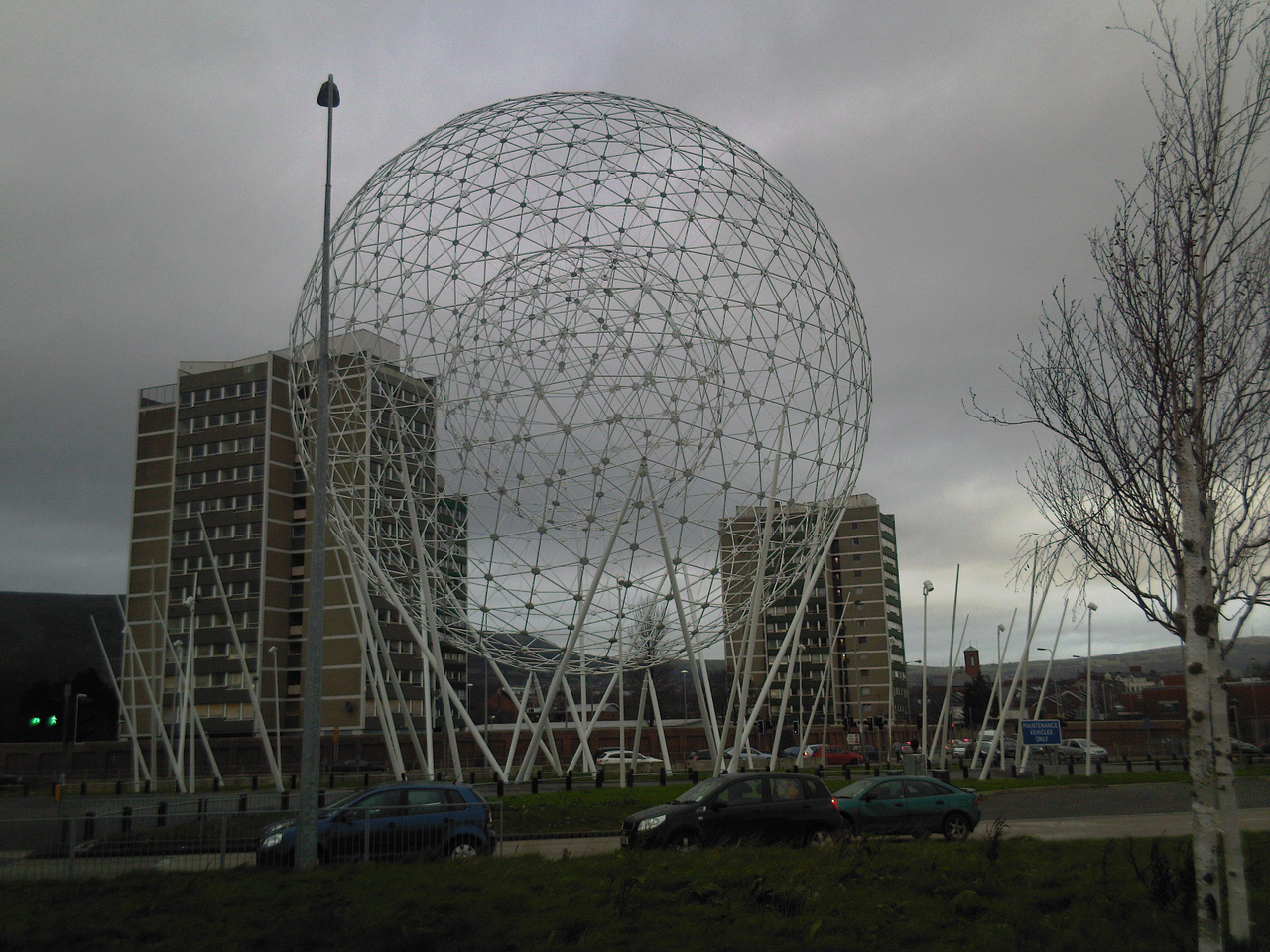
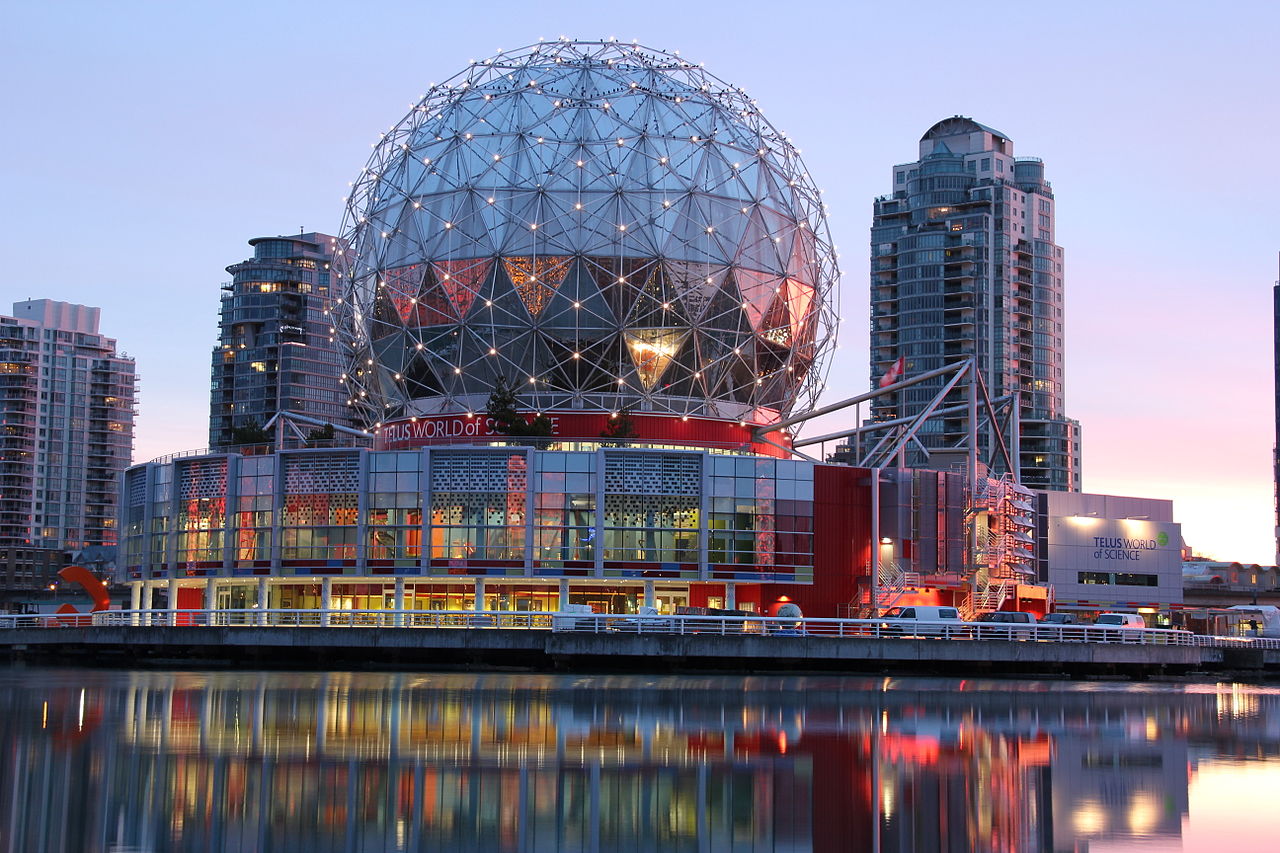

Characteristics and components
Structurally, a geodesic dome is made of vertices (nodes), edges (struts) and facets (typically triangles). Key features include:
- Triangulation: Triangles give rigidity; panels resist deformation under load. More complex subdivisions (higher "frequency") produce a smoother curve.
- Material efficiency: The dome encloses a large volume relative to its surface area, reducing required framing and often lowering material costs.
- Load distribution: Forces flow through many paths so local failure is less likely to cause collapse.
- Modularity: Prefabricated struts or panels allow rapid assembly and scalable sizes.
Common materials include steel, aluminum, timber and engineered panels; transparent or translucent glazing and insulated panels are used when light or thermal control is needed. See structural types at triangulated systems and material options at glazing and concrete.
History and development
Early examples of dome-like frameworks date back centuries in vernacular architecture, but the modern geodesic concept developed in the early 20th century. An important milestone was the planetarium dome created by Walther Bauersfeld at the Carl Zeiss works in Jena, Germany, in the 1920s; that project was built by Dyckerhoff and Wydmann and later became known as the "Wonder of Jena". For that origin see Walther Bauersfeld and the historical account at Zeiss planetarium. In mid‑20th century America, architect-engineer R. Buckminster Fuller popularized and refined the concept, coined the term geodesic, and advanced applications for lightweight, mass-produced domes; background on Fuller is at Buckminster Fuller and his designs at geodesic design.
Uses and examples
Geodesic domes have been used for a wide variety of purposes because they can span large open interiors without internal supports. Typical uses include:
- Planetariums and exhibition halls, where a clear, unobstructed internal volume is needed.
- Greenhouses and conservatories, taking advantage of light transmission and controlled microclimates.
- Event spaces, auditoriums and sports arenas for efficient coverage of seating areas.
- Emergency shelters and rapid-deployment structures due to modularity and ease of assembly.
- Experimental housing and ecological projects where energy efficiency and material savings are priorities.
Manufacturers and kit suppliers make a range of dome packages for hobbyists, builders and commercial projects; see kit examples at domes kits and construction guidance at assembly instructions.
Variations, advantages and limitations
Variations include domes made from triangular panels (classic geodesic), geodesic-like space frames, and monolithic concrete domes cast as a single shell. Monolithic domes follow different building methods and are discussed at monolithic domes. Advantages of geodesic forms are strength-to-weight ratio, efficient enclosure of space and resistance to wind and snow loads. Practical limitations can include complex joints, difficulty in sealing many seams against water and air infiltration, challenges in installing conventional finishes on a curved surface, and specialized engineering required for large spans. For details on tradeoffs see structural tradeoffs and maintenance considerations at maintenance.
Notable facts: geodesic domes have become an icon of mid‑20th century design language and continue to be used where long spans, lightweight construction and striking form are desired. Their principles also inspired work in other fields, from geodesic mapping to molecular structures that borrow the same geometric ideas.
Related articles
Author
AlegsaOnline.com Geodesic dome: design, history, construction, and uses Leandro Alegsa
URL: https://en.alegsaonline.com/art/38090