
Gangtok: Capital of Sikkim in the Eastern Himalaya
Gangtok is the administrative capital of Sikkim, a Himalayan hill town known for its monasteries, mountain views, mixed cultures, tourism services and role as the state's political and economic hub.
Overview
Gangtok is the capital and largest town of the Indian state of Sikkim. It stands at about 1,780 metres above sea level on the slopes of the Himalayan Mountains and functions as the principal administrative, commercial and service centre for the region. Though modest in population compared with major cities, Gangtok is an important gateway for travel into surrounding valleys and protected areas.
Image gallery
10 Images



Geography and climate
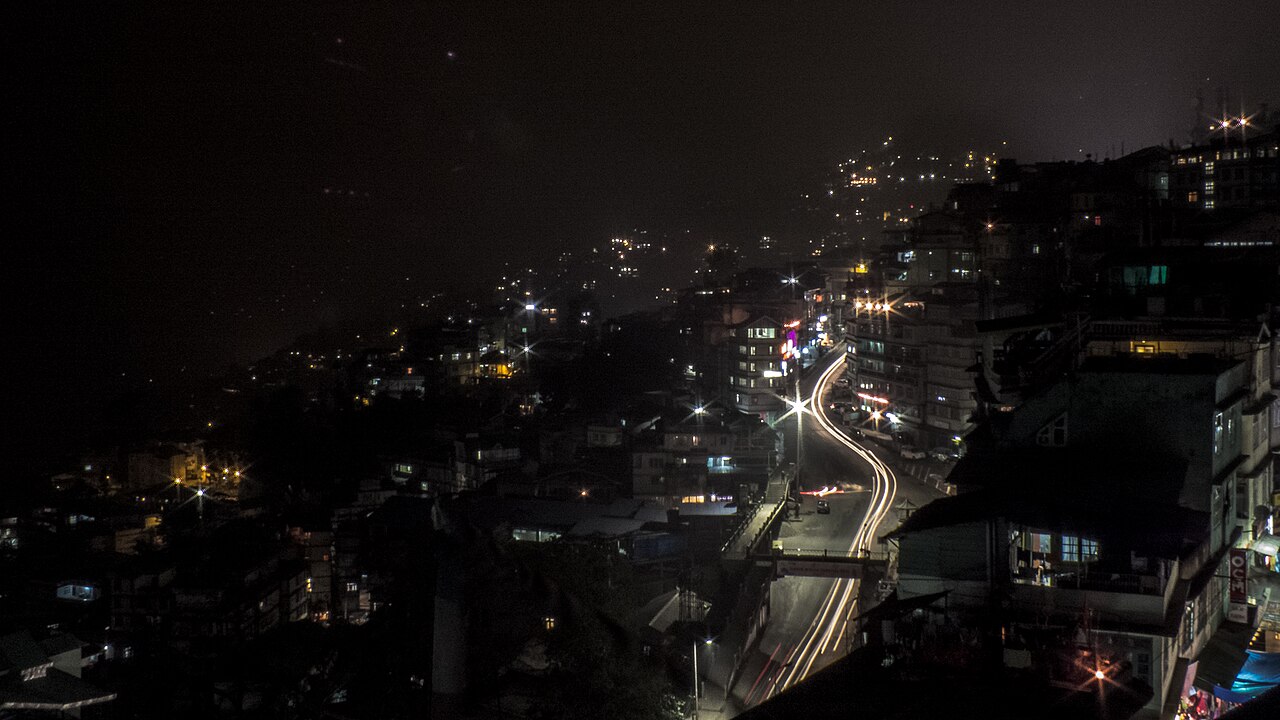
The town is built on steep ridges and terraces, giving panoramic views of surrounding peaks on clear days. Its elevation produces a temperate hill climate with cool winters and mild summers; weather can change rapidly, and heavy monsoon rains affect accessibility at times. Rivers and streams in nearby valleys feed agricultural terraces and hydropower projects that shape local land use.
People, culture and religion
Gangtok reflects a mix of ethnic communities and traditions. Residents include Lepchas, Bhutias, Nepali-speaking groups and others who practise multiple faiths. The town is known for its close coexistence of different cultures and a range of religions, visible in community festivals, monasteries, temples and everyday life.
Infrastructure and services
Modern amenities have expanded with growth: well-laid roads, municipal services and selective elevated sections and flyovers help manage traffic. Commerce concentrates in local bazaars and organised markets, while healthcare is supported by a modern hospital and clinics. Educational institutions range from schools to small colleges, and public utilities and telecommunications serve residents and visitors.
Economy and tourism
Tourism is a key economic driver. Visitors come for mountain vistas, cultural sites, trekking access and viewpoints such as Ganesh Tok. The town offers a variety of eating places from traditional teashops to fast food outlets and casual restaurants. Nightlife is modest but includes cafes and a few discotheques and entertainment spots aimed at tourists and students.
History and development
Gangtok evolved from a small hill settlement into the state's political centre over the last century. Urban expansion and infrastructure works have focused on balancing development with slope stability and environmental protection. Local planning addresses challenges of drainage, waste management and sustainable tourism.
Notable landmarks and practical notes
Religious sites such as Enchey Monastery, viewpoints around Ganesh Tok and a prominent television tower that overlooks the town are well known local features. Visitors should allow time for acclimatisation, check transport schedules during monsoon and consult official travel guidance for permits and local regulations before visiting protected areas.
- Administrative and commercial hub of Sikkim
- Hillside town with mountain views and a temperate climate
- Blend of traditional culture, religious sites and modern services
For more detailed planning and official information consult local authorities or recognised travel resources prior to travel.
Related articles
Author
AlegsaOnline.com Gangtok: Capital of Sikkim in the Eastern Himalaya Leandro Alegsa
URL: https://en.alegsaonline.com/art/37474