
Ganja, Azerbaijan — history, landmarks and city overview
Ganja is Azerbaijan's second-largest city and a historic regional center. This article describes its origins, name, key landmarks, economy, transport links and cultural significance.
Ganja is the second-largest city of Azerbaijan and an important cultural and industrial hub in the west of the country. With a population of roughly 313,300 people, the city combines a long history, civic institutions and modern infrastructure. Its roots reach back many centuries, and it remains a focal point for regional trade, education and the arts.
Image gallery
10 Images





Origins and name
The settlement that became Ganja is believed to have emerged in the early medieval era, possibly around the 5th century CE. The city's name derives from the New Persian word ganj, meaning "treasure," reflecting older economic or symbolic associations. During the Russian imperial period the city was known as Yelizavetpol; in the Soviet era the name changed again before the historic name Ganja was restored. The city is also famed as the birthplace of the classical Persian-language poet Nizami Ganjavi, whose legacy remains central to local identity.
Characteristics and notable sites
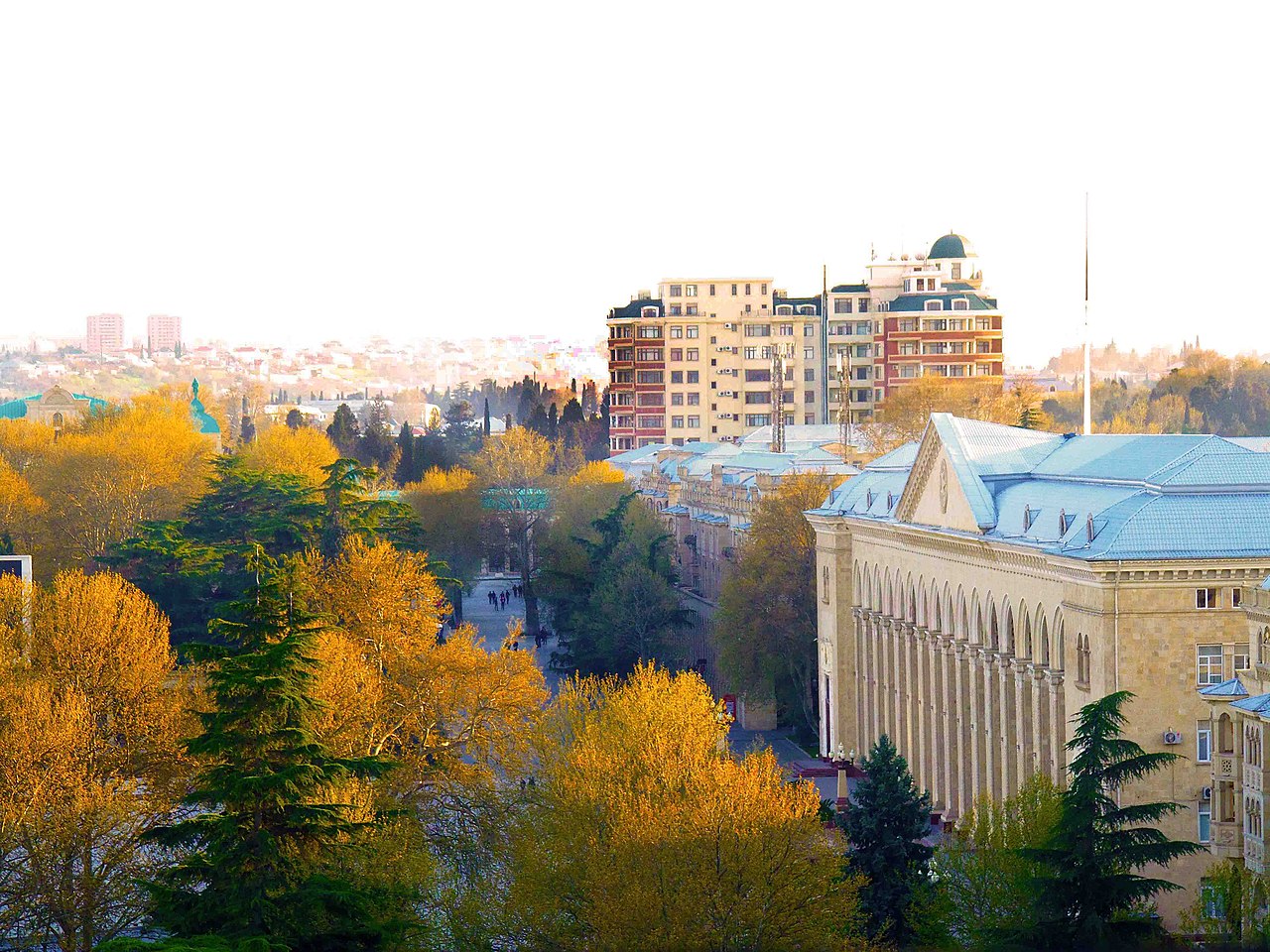
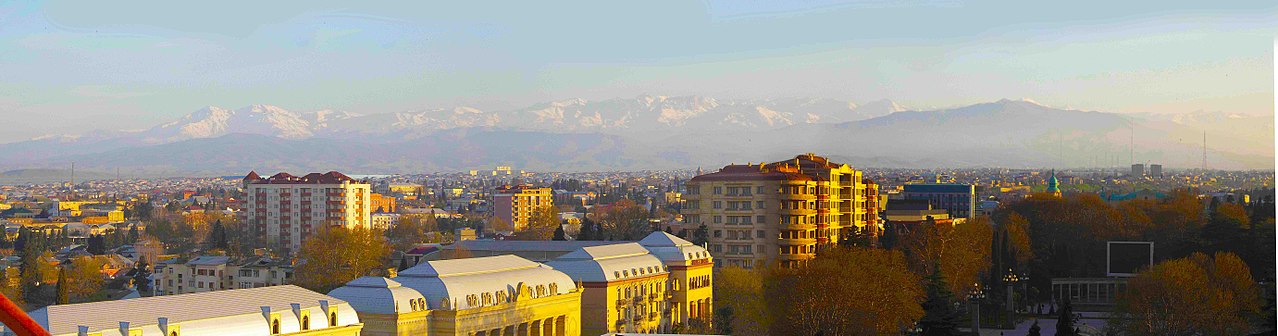
Ganja's urban fabric blends historic monuments with Soviet-era architecture and contemporary developments. Important cultural and historical features include museums and memorials dedicated to local figures, historic mosques and public squares, and municipal parks. The city hosts theaters, libraries and educational institutions that serve the surrounding region. Visitors and residents use bazaars and pedestrian areas that preserve traditional crafts and commerce.
Economy, culture and daily life
The city's economy mixes light and heavy industry, food processing and services, with agriculture in nearby districts contributing to local markets. Cultural life centers on music, literature and public festivals; academic departments and cultural centers maintain study of regional history and language. Public amenities such as parks, sports facilities and cultural venues play an active role in civic life.
Transport and connections
- Ganja International Airport is the main air link serving the city and region.
- Road and rail connections link Ganja to the national capital and neighboring regions, supporting trade and passenger travel.
- Local transport includes buses and taxis serving urban and suburban routes.
As a historic urban center, Ganja continues to balance preservation of its cultural heritage with modern development. Its long history, linguistic and literary associations, and role as an administrative and economic center make it one of Azerbaijan's most significant cities.
Related articles
Author
AlegsaOnline.com Ganja, Azerbaijan — history, landmarks and city overview Leandro Alegsa
URL: https://en.alegsaonline.com/art/37480
Sources
- azstat.org : The State Statistical Committee of the Republic of Azerbaijan
- oldganja.aznet.org : The Ganja State Historical-Cultural reserve
- day.az : В Азербайджане численность населения достигла 8 млн. 922 тыс. человек
- iranicaonline.org : Encyclopædia Iranica, "Ganja", C. Edmund Bosworth · webcitation.org
- intranslaw.com : Gəncə Beynəlxalq hava limanının açılış mərasimi
- ganca.net : Гянджа сегодня