
Disco: Origins, Sound, Culture, and Legacy
Disco is a dance-oriented music genre that rose to prominence in 1970s club scenes. This article explains its musical traits, cultural roots, peak years, backlash, and lasting influence on popular and electronic dance music.
Disco is a form of popular dance music that became a major cultural force in the mid-1970s and into the early 1980s. Emerging from urban nightclubs and private parties, it combined a steady, danceable pulse with soulful vocals, prominent bass lines, and lush orchestration. Disco was not only a musical style but also a social phenomenon: clubs, DJs, specialized recordings and a distinct fashion and dance culture developed around it. While its mainstream commercial peak was relatively brief, disco's production techniques and rhythmic ideas continued to shape later styles of dance and pop music.
Image gallery
10 Images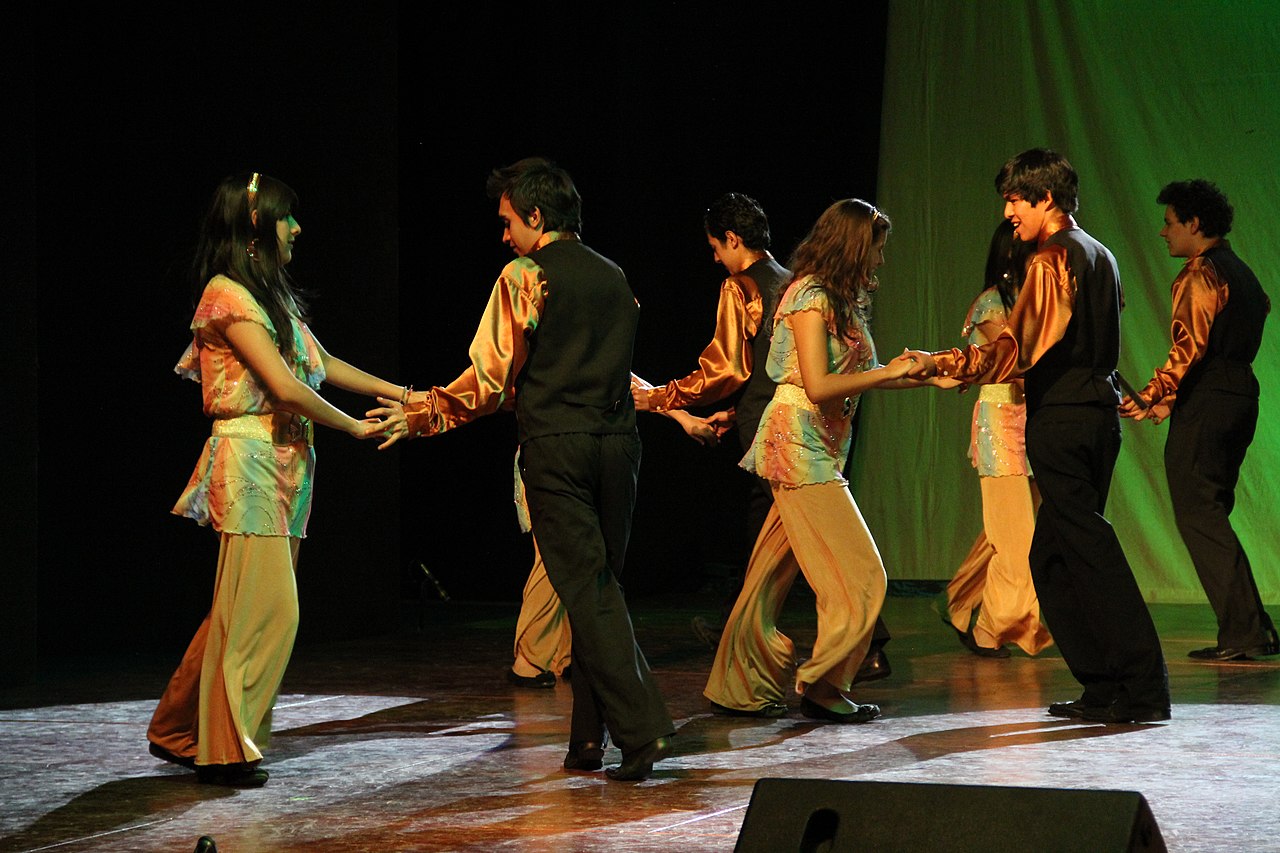




Musical characteristics
At its core, disco emphasizes a continuous, propulsive groove tailored for dancing. Typical elements include:
- Beat and rhythm: a steady "four-on-the-floor" kick-drum pattern, often supported by syncopated hi-hat and conga percussion.
- Bass and groove: melodic, repetitive basslines that lock with the drums to create a driving foundation.
- Arrangement: extended mixes for uninterrupted dancing, use of orchestral strings, brass, and layered backing vocals.
- Production: emphasis on polished studio sound, remixing techniques and the 12-inch single format to deliver long club-friendly tracks.
Origins and social context
Disco grew out of several overlapping Black, Latino, and gay club cultures in cities such as New York and Philadelphia. DJs and club promoters played a central role by curating continuous sets that prioritized rhythm and atmosphere over single-song radio formats. Many early disco records evolved from rhythm-and-blues, soul, funk and Latin dance traditions, and were often designed for nightlife environments where dancing, community and identity were central. This social backdrop helped disco become both a soundtrack and a space of expression for marginalized groups.
Commercial peak, backlash, and regional variants
The genre reached mainstream visibility in the late 1970s. Films, radio airplay and major-label promotion brought disco to a broad audience, making some acts and songs international hits. At the same time, a vocal backlash arose—most famously exemplified by events and media commentary that rejected disco's ubiquity—after which the market shifted and related styles such as post-disco, early electronic dance, and Hi-NRG developed. In Europe, a parallel set of styles often grouped under "Euro disco" emphasized synthesizers and pop songwriting and contributed to disco's international evolution.
Legacy and influence
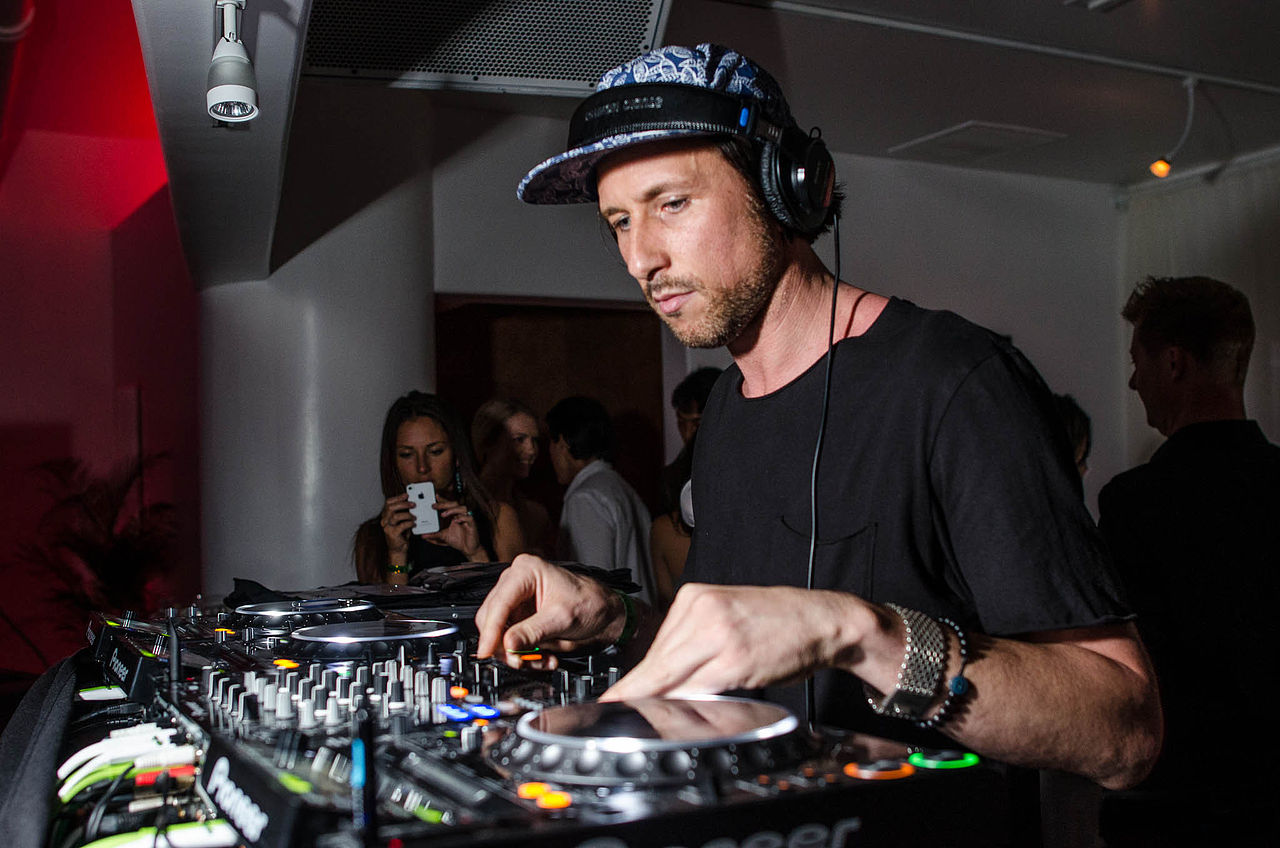
Although the popularity of disco records declined after its late-1970s heyday, its influence endured. Production approaches, the primacy of the DJ, extended remixes, and a focus on beat-driven arrangements informed the birth of house, techno and many strands of electronic dance music. Pop artists continue to borrow disco's rhythmic templates and orchestral touches, and the genre enjoys periodic revivals and reappraisals.
Further reading and related topics
- Overview of disco as a musical style
- Timeline of disco's mainstream years
- Mid-1970s cultural background
- Early 1980s transitions in popular music
- Dance styles associated with disco
- Soul music connections
- Funk influences in disco
- Use of string arrangements in dance records
- Disco as a form of dance music
- Disco's popularity in the United States
- Disco scenes in Europe
- Impact of film on disco's popularity
- Key performers and media representations
- Post-disco and related genres
- Euro disco and continental styles
For readers exploring the genre, consider listening to long-form club mixes and original 12-inch releases to hear how producers and DJs constructed continuous dance experiences. Contemporary dance and pop productions often recycle disco-era techniques, making the style a useful reference point for understanding modern rhythm-based music.
Questions and answers
Q: What is disco?
A: Disco is a style of music that was most popular from the mid-1970s to the early 1980s, featuring African-American and Latino musicians and audiences, and in private dance parties thrown in the underground gay community of New York. It was an up-tempo form of music which included elements of soul, funk and Latin music with a strong beat meant for dancing, a steady four-on-the-floor rhythm, and a big bass line. Additionally, it is also used to refer to the style of dancing people do to this type of music or the clothes they wear when going disco dancing.
Q: Where did disco originate?
A: Disco originated in the United States and Europe in the late 1970s and early 1980s. It was brought into mainstream culture by the hit movie Saturday Night Fever released in 1977 starring John Travolta which showed people doing disco dancing.
Q: What other genres were influenced by disco?
A: Other genres such as dance, Hi-NRG and post-disco grew in popularity due to influence from disco. Additionally, Euro disco arose in Europe which obtained some popularity as well.
Q: Is there still an influence from disco today?
A: Yes, modern day dance music still has occasional moments of popularity due to its influence from disco.
Q: How did radio stations play a role in popularizing disco?
A: Many radio stations played disco during the late 1970s which helped bring it into mainstream culture.
Q: What instruments are typically used when playing Disco Music?
A: Orchestral instrumentation often included string sections when playing Disco Music along with other instruments like drums or keyboards that could create a strong beat meant for dancing with a steady four-on-the floor rhythm as well as having a big bass line.
Related articles
Author
AlegsaOnline.com Disco: Origins, Sound, Culture, and Legacy Leandro Alegsa
URL: https://en.alegsaonline.com/art/27645