
Anahim Volcanic Belt
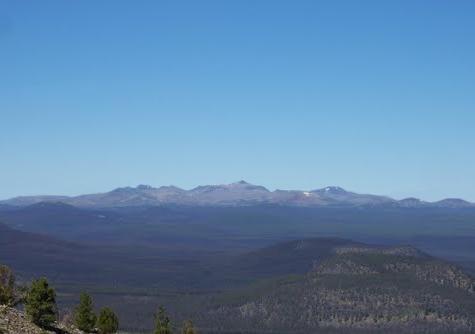
An east–west chain of volcanoes across central British Columbia formed by the Anahim hotspot; includes shield volcanoes and cones such as Rainbow, Ilgachuz, Itcha and Nazko.
Overview
The Anahim Volcanic Belt is a roughly east–west alignment of volcanic centers and related landforms in central British Columbia, Canada. It extends from the coastal ranges just north of Vancouver Island across the Interior Plateau toward the vicinity of Quesnel. The chain is interpreted as a track of melted mantle material that produced a succession of volcanoes as the overlying plate moved.
Image gallery
4 Images


Geology and structure
The belt is commonly attributed to the Anahim hotspot, a localized upwelling of hot mantle. As the continental lithosphere shifted, melting occurred at successive points and created volcanic centers of different sizes and compositions. The result includes broad shield volcanoes, dissected volcanic ranges, and smaller cinder and scoria cones.
Major volcanoes and features
Prominent volcanic complexes along the belt include several mountain-sized ranges and individual cones. Notable examples are:
- Rainbow Range — a large, eroded volcanic plateau.
- Ilgachuz Range — an extensive shield-like volcanic mass.
- Itcha Range — similar in form to Ilgachuz, with rugged relief.
- Nazko Cone — a relatively young cinder cone and the easternmost express of the belt; it last erupted in the Holocene and remains the most recent known eruptive center (Nazko Cone).
Age progression and origin
A characteristic feature of the Anahim Volcanic Belt is an age progression: volcanoes become younger toward the interior, which supports a hotspot model where the stationary mantle source is overridden by the moving North American plate. Geological studies show a long-lived sequence of volcanic activity that spans millions of years and records changes in magma chemistry and eruptive style as the source and crustal conditions evolved (North American plate movement plays a key role).
Significance, hazards and cultural context
Scientifically, the belt is important for understanding intraplate volcanism and mantle dynamics beneath continental crust. Although the overall volcanic hazard is low compared with active arcs, isolated eruptions and seismic unrest have occurred; monitoring around the Nazko area focuses on detecting renewed activity. The volcanic landscapes also hold ecological, recreational and cultural value to local Indigenous communities and to researchers studying regional geomorphology.
For further general maps and summaries of the chain and its individual centers see regional geology and volcano databases (volcano overview, coastal context, national resources, provincial summaries, plate motion studies, Nazko details).
Related articles
Author
AlegsaOnline.com Anahim Volcanic Belt Leandro Alegsa
URL: https://en.alegsaonline.com/art/3740