
Gamma‑Hydroxybutyric Acid (GHB): Properties, Uses, and Risks
GHB is a naturally occurring brain compound and a psychoactive drug. This article explains its chemistry, natural occurrence, medical uses, recreational use, legal status, and health risks.
Overview
Gamma‑hydroxybutyric acid (GHB) is a small organic compound that occurs naturally in the central nervous system of humans and many animals. At low concentrations it is involved in normal brain chemistry; at higher doses it has sedative and anesthetic effects. As a medication its principal approved use is for certain sleep disorders, while outside medicine it has been used recreationally for its sedative and euphoric properties. The substance is known under several names in nonmedical contexts, including "G," "liquid ecstasy," or "sodium oxybate" when used in salt form. For general chemical references see chemical overview and for physiological mentions see CNS occurrence.
Image gallery
5 Images

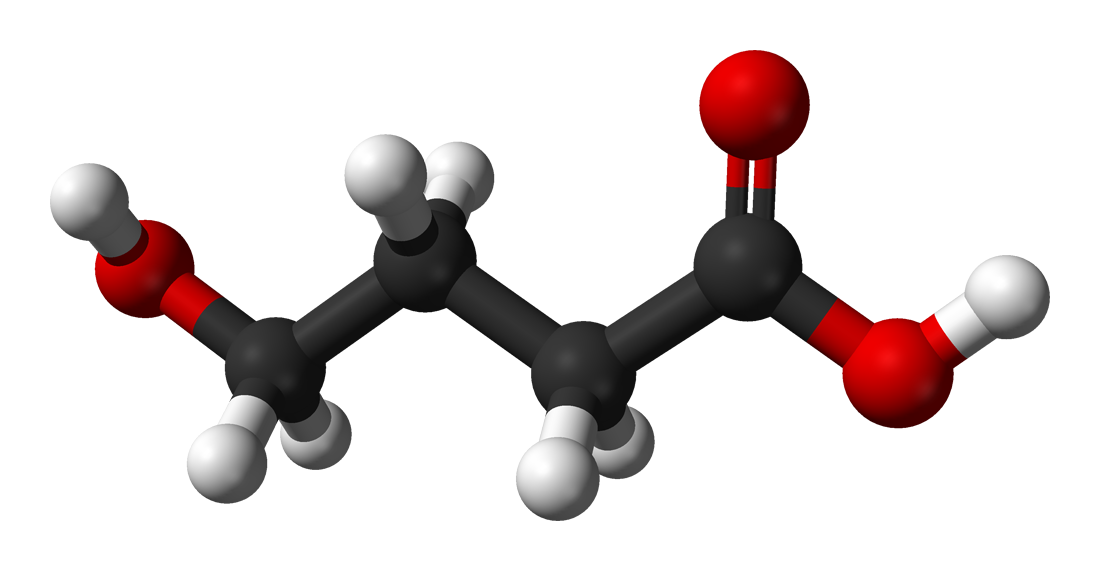


Chemistry and natural occurrence
GHB is structurally related to the neurotransmitter gamma‑aminobutyric acid (GABA) and to the ketone body beta‑hydroxybutyrate. It exists in equilibrium between an acid and salt (commonly the sodium salt) and is water‑soluble, which facilitates oral and liquid preparations. Small amounts are formed endogenously in cells and can be detected in some foods and fermented beverages; trace quantities have been reported in wine and certain beers and in a few meats and fruits. For sources of dietary occurrence see wine, beef and citrus. It can also be produced by chemical synthesis or as a byproduct of fermentation processes (fermentation).
How it acts in the brain
GHB interacts with multiple targets in the nervous system. At low concentrations it may modulate GABAergic transmission and acts at specific GHB receptors distinct from GABA receptors. At higher concentrations it can activate GABA-B receptors, producing sedation, muscle relaxation, and reduced anxiety. The compound affects other neurotransmitter systems as well; summaries of these interactions are available in pharmacology resources (neurotransmitter interactions). Detailed receptor profiles and pharmacokinetics can be consulted via specialized reviews (salt forms and pharmacology).
Medical uses and therapeutic history
Medicinally, a pharmaceutical formulation of the sodium salt is approved in several countries to treat excessive daytime sleepiness and cataplexy associated with narcolepsy. It has also been investigated historically for use as an anesthetic and has been trialed for alcohol dependence and certain mood disorders, although routine use in these areas is limited. Historical and regulatory context can be found in clinical summaries (anesthetic studies, sedative uses, insomnia research, alcohol dependence, cataplexy treatment, narcolepsy therapy).
Recreational use, legality, and social concerns
Outside medical supervision GHB has been used recreationally for its calming, euphoric and disinhibiting effects; in some circles it is taken to improve perceived athletic recovery or to enhance social situations. Because of its sedative potency and the risk of incapacitation, it has been implicated in drug‑facilitated sexual assault and has drawn legal restrictions in many jurisdictions. Many nations control its manufacture, sale and possession except when legitimately prescribed; consult national regulatory summaries for details (legal status summaries, athletic misuse, recreational effects).
Risks, toxicity and harm reduction
GHB has a steep dose–response curve: small increases in dose can shift effects from mild sedation to deep unconsciousness. Overdose can cause profound respiratory depression, coma and death. Combining GHB with alcohol or other central nervous system depressants (benzodiazepines, opioids) substantially raises the risk of fatal respiratory failure. Emergency management is supportive; there is no widely used specific antidote. For safety guidance and toxicology reports see food occurrence and toxicology references.
Key distinctions and notable facts
- GHB is chemically distinct from MDMA ("ecstasy"), though the names have sometimes been conflated in popular media; see comparative notes (recreational distinctions).
- Medically approved formulations are tightly regulated and prescribed at controlled doses; nonmedical preparations vary in concentration and pose greater risk.
- Both endogenous production and exogenous intake can be measured, but interpretation requires context because trace natural amounts occur in the body and some foods (endogenous presence, dietary traces).
For further reading and clinical guidance consult specialist reviews and local regulatory documents (overview, pharmacology, production). Additional background resources are available through institutional summaries and toxicology databases (addiction, sleep disorders).
Questions and answers
Q: What is gamma-Hydroxybutyric acid (GHB)?
A: Gamma-Hydroxybutyric acid (GHB) is a chemical substance that can be found in the central nervous system of many animals, as well as in wine, beef and small citrus fruits.
Q: How does GHB interact with other neurotransmitters?
A: GHB interacts with other neurotransmitters such as gamma-Aminobutyric acid (GABA) in the central nervous system.
Q: What are some medical uses for GHB?
A: GHB has been used to treat insomnia and depression, help people who have a problem with alcoholism or cataplexy, and treat sleepiness during the day in patients with narcolepsy. It can also be used as an anesthetic or sedative.
Q: Is GHB related to ecstasy?
A: No, GHB is not related to ecstasy. Ecstasy is a different drug that is unrelated to GHB.
Q: What is the chemical structure of GHB?
A: The chemical structure of GHB is similar to ketone body beta-hydroxybutyrate. As a supplement or drug, it is usually used as a salt form.
Q: Where can small amounts of GHB be found naturally?
A: Small amounts of GHB can be found naturally in some beers and wines due to fermentation processes. It can also be produced by cells within the human body's cells.
Q: What are 'GHB comas'? A:'GHBComas' occur when people faint or become unconscious after taking too much of the drug - this causes most deaths associated with its use
Related articles
Author
AlegsaOnline.com Gamma‑Hydroxybutyric Acid (GHB): Properties, Uses, and Risks Leandro Alegsa
URL: https://en.alegsaonline.com/art/37422
Sources
- nlm.nih.gov : Sodium Oxybate: MedlinePlus Drug Information
- ualberta.ca : "GHB: An Important Pharmacologic and Clinical Update"
- erowid.org : Erowid GHB Vault : Legal Status
- emedicine.com : "Toxicity, Gamma-Hydroxybutyrate"
- pubmed.ncbi.nlm.nih.gov : 10869868