
Führerbunker (Berlin)
The Führerbunker was the subterranean air-raid shelter beneath the Reich Chancellery in Berlin where Adolf Hitler and Eva Braun spent the last weeks of April 1945.
Overview
The Führerbunker (the German term Führerbunker) was a fortified, subterranean bunker complex beneath the Reich Chancellery in central Berlin, Germany. It became internationally known as the site where Adolf Hitler and Eva Braun spent the final weeks of the Third Reich and where both are believed to have died on 30 April 1945. The name literally means "the Führer's shelter."
Image gallery
8 Images


Design and layout
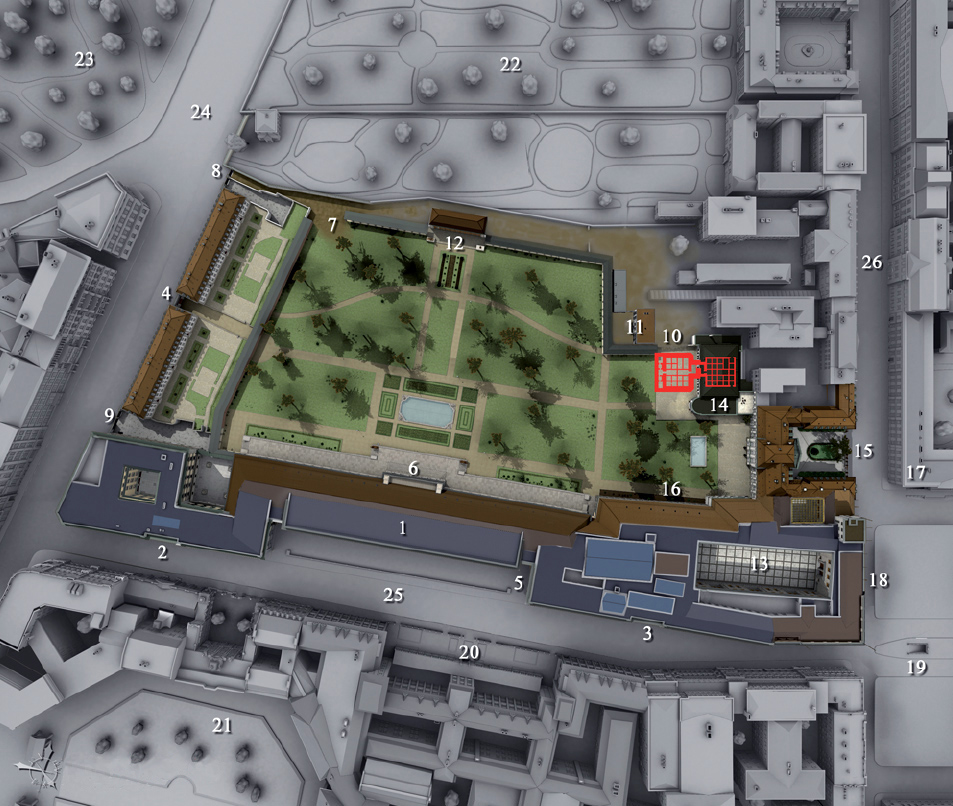
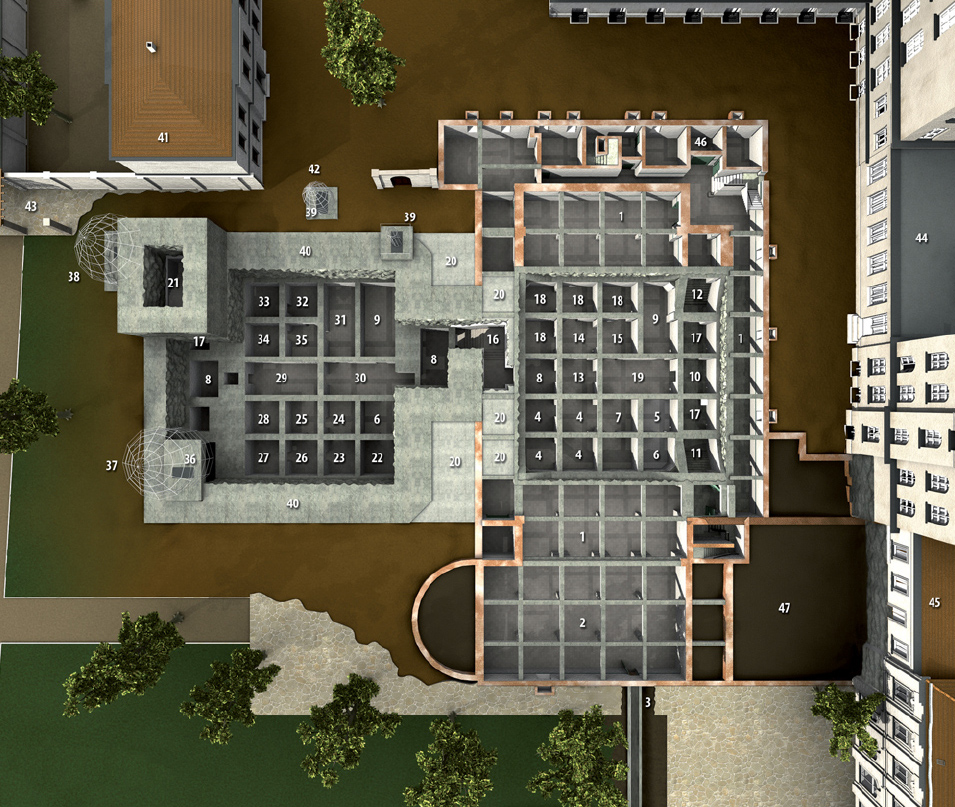
The structure comprised two main levels. The upper section, commonly called the "Vorbunker" or forward bunker, connected by a protected passage to the newer, lower section that has become known as the Führerbunker. A short internal stairway at right angles linked the two floors. The lower rooms lay roughly 8 metres beneath the surface, under the chancellery garden, and were surrounded by several metres of reinforced concrete for protection.
Characteristics
- Two-tier layout: Vorbunker (upper) and Führerbunker (lower).
- About 30 small rooms arranged over both levels, including living quarters, offices and a telephone exchange.
- Multiple exits to the main buildings and at least one emergency exit leading into the garden area.
- Interior fittings included salvaged high-quality furniture and framed oil paintings from the Chancellery.
Construction and use
The complex was constructed in two phases: an earlier portion in the 1930s and a more heavily fortified lower section added during the war, completed around 1943 as part of extensive subterranean works carried out in Berlin. It was integrated with the old and new Reich Chancellery buildings, located respectively at addresses that placed it within the governmental quarter of the city. The later additions were intended to offer protection from air attack and to provide a secure command post as the war situation deteriorated.
Final weeks and historical significance
During April 1945, as Soviet forces closed in on central Berlin during the Battle of Berlin, Hitler and a small circle of staff and military aides retreated into the Führerbunker. Contemporary testimony and postwar investigation conclude that Hitler died there on 30 April; accounts indicate he killed himself while Braun, whom he had married shortly before their deaths, took poison. The bunker thus marks a decisive and symbolic endpoint of Nazi central authority.
Aftermath and legacy
After the war the bunker was largely sealed, damaged and later demolished or buried in postwar redevelopment; its exact remains became the subject of investigation, commemoration and occasional controversy. The site has been documented by historians and archaeologists and continues to be referenced in studies of the Third Reich as a physical emblem of the regime's final collapse. For further background and primary-source references see contemporary reports and specialized research collections represented by archival and scholarly resources linked throughout this entry.
Related topics and resources: term and pronunciation, bunker architecture, Berlin wartime history, German governmental buildings, Adolf Hitler biography, Eva Braun, internal layout, site location, construction details, decor and contents.
Related articles
Author
AlegsaOnline.com Führerbunker (Berlin) Leandro Alegsa
URL: https://en.alegsaonline.com/art/36907