
Gammelstad Church Town (Gammelstads kyrkstad)
Well-preserved medieval church village near Luleå, Sweden, featuring a 15th-century stone church surrounded by hundreds of wooden cottages, inscribed as a UNESCO World Heritage Site.
Overview
Gammelstad Church Town is a historic church village located in Gammelstaden near the city of Luleå in northern Sweden. Commonly known by its Swedish name, Gammelstads kyrkstad, the site combines a medieval stone church with a closely grouped settlement of traditional wooden houses. It was inscribed as a World Heritage Site by UNESCO for its exceptional cultural testimony to a regional way of life.
Image gallery
10 Images




Characteristics
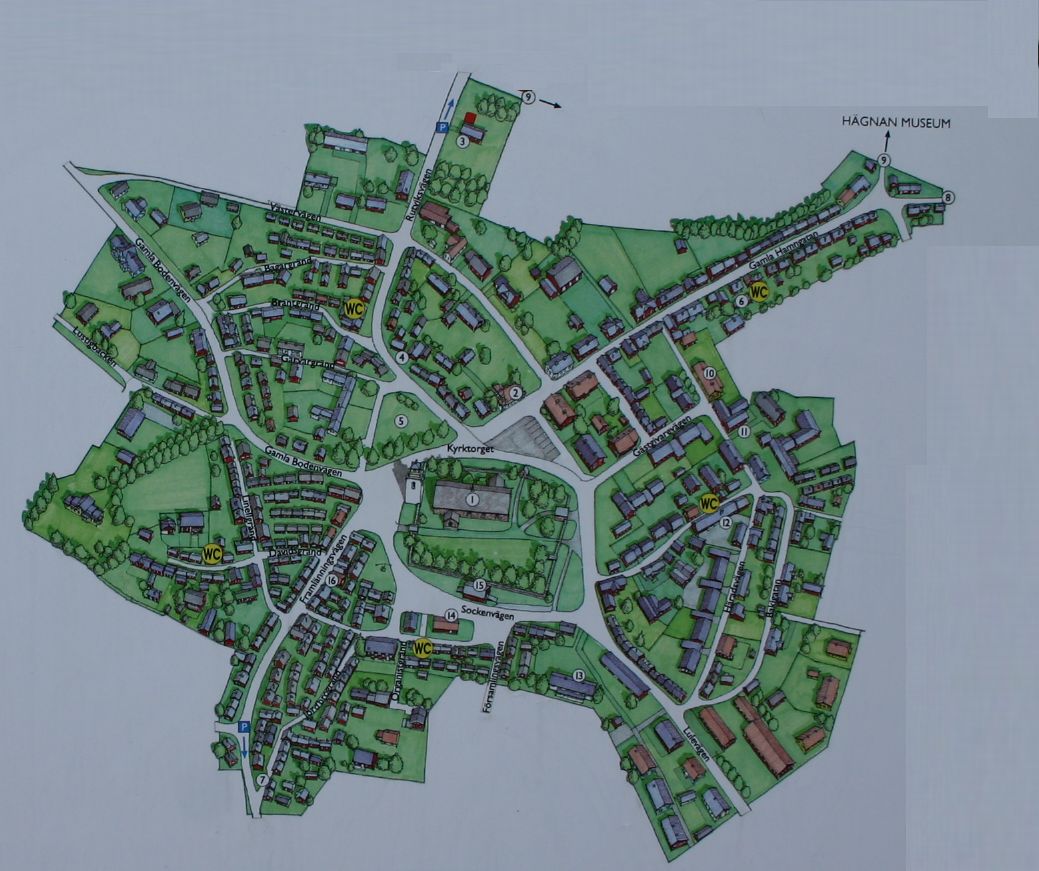
The ensemble centers on a stone parish church from the late Middle Ages, surrounded by more than four hundred small timber cottages used historically by rural families. These cottages are arranged around the churchyard in a compact pattern that reflects practical and social needs: lodging for parishioners who traveled long distances, storage of possessions, and space for communal activities during major religious festivals.
History and development
Gammelstad developed as part of a Scandinavian tradition of church towns (kyrkstad) that allowed scattered rural populations to gather for services and markets. The stone church, sometimes referred to locally as Nederluleå Church, dates to roughly the 15th century and became the focal point for an expanding ring of wooden houses. Over centuries the settlement retained its layout and building types, preserving features of vernacular northern Swedish architecture.
Uses and contemporary importance
Originally seasonal dwellings for worshippers, many cottages are today conserved as cultural heritage and used as holiday homes, museums, or for community events. The site attracts visitors interested in medieval architecture, religious history, and traditional building techniques. Local guides and interpretive displays help explain daily life in a church town and the agricultural and maritime context of the region.
Notable facts and distinctions
- Recognized as one of the best-preserved examples of a Scandinavian church town.
- Displays continuity between medieval ecclesiastical practice and rural social organization.
- Functions as both a living community and a protected heritage area with conservation programmes and visitor services; see local resources at Gammelstaden for details.
- Information on designation and protection can be found via UNESCO and regional cultural authorities; additional practical visitor information is often available through tourism offices in Luleå and county resources in Sweden.
Gammelstad Church Town remains an important cultural landscape that illustrates how architecture, religion, and rural life intertwined in northern Scandinavia across many centuries.
Questions and answers
Q: What is Gammelstad Church Town?
A: Gammelstad Church Town is a World Heritage Site located near Luleå, Sweden.
Q: How many wooden houses does the church village consist of?
A: The church village consists of 424 wooden houses.
Q: What is the age of the stone church in Gammelstad Church Town?
A: The stone church in Gammelstad Church Town is from the early 15th-century.
Q: Is Gammelstad Church Town a popular tourist destination?
A: As a World Heritage Site, Gammelstad Church Town is a popular tourist destination.
Q: What is the significance of the church village?
A: The church village has cultural and historical significance due to its preservation of traditional Swedish architecture and lifestyle.
Q: Is the church village still in use today?
A: Yes, the stone church in Gammelstad Church Town is still in use for religious services.
Q: What is the distance between Gammelstad Church Town and the city of Luleå?
A: Gammelstad Church Town is close to the city of Luleå, although the exact distance is not specified in the text.
Related articles
Author
AlegsaOnline.com Gammelstad Church Town (Gammelstads kyrkstad) Leandro Alegsa
URL: https://en.alegsaonline.com/art/37429
Sources
- whc.unesco.org : "Church Town of Gammelstad, Luleå"