
Fukui Prefectural Dinosaur Museum
Major natural history museum in Katsuyama, Fukui Prefecture, Japan, focused on dinosaurs, paleontology, research, and public education with extensive fossil displays and interactive exhibits.
The Fukui Prefectural Dinosaur Museum is a leading natural history institution in Katsuyama, located within Nagaoyama Park in Fukui Prefecture. It specializes in dinosaur fossils, paleontological research, and visitor education. The museum has become a regional landmark and tourist destination, drawing millions of visitors since its opening and contributing to the area's identity as a center for dinosaur discoveries. The facility is part of the prefecture-supported network of museums and works closely with local museums, universities, and amateur fossil hunters to study and display finds from the surrounding region. Fukui Prefecture and Japan are frequently mentioned in descriptions of the site.
Image gallery
5 Images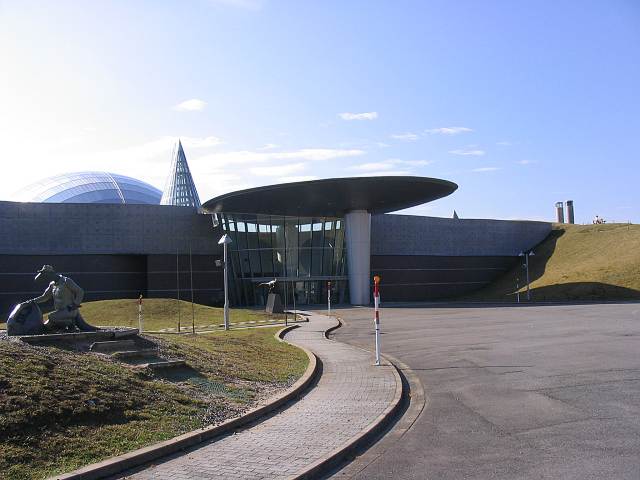



Collections and exhibits
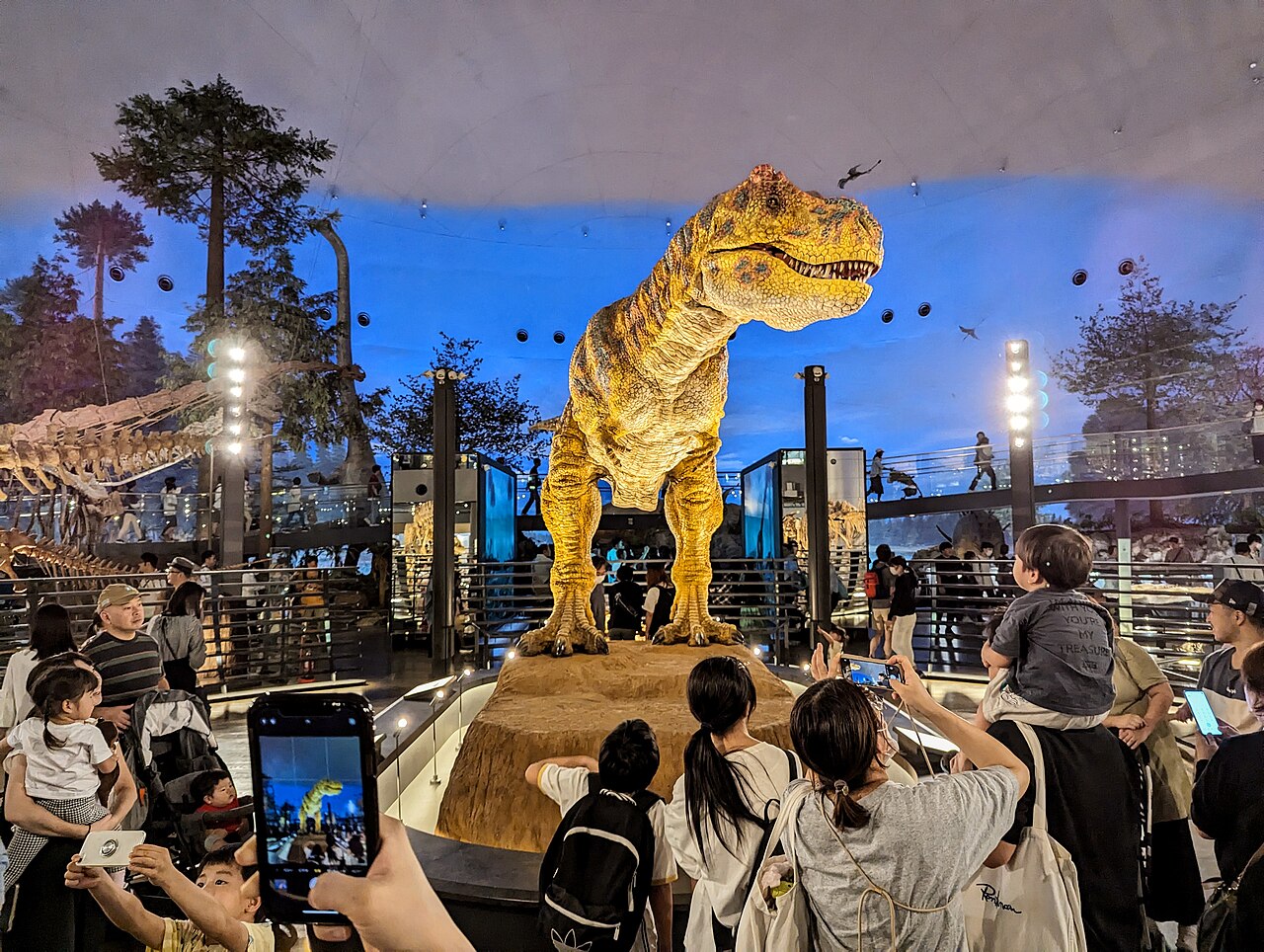
The museum's exhibits combine mounted skeletons, life-size models, fossil specimens, and educational displays that explain the methods of paleontology. Core features typically include articulated dinosaur skeletons, reconstructed skulls, and extensive displays of local fossil material recovered from nearby sedimentary deposits. Interactive sections allow visitors to learn excavation techniques, comparative anatomy, and the geological context of fossil formation. The museum also presents rotating temporary exhibits highlighting particular taxa or recent research results, and often displays specimens labeled as dinosaur finds alongside other Mesozoic marine and terrestrial fossils. Dinosaur and fossil-related terminology is explained for non-specialist audiences.
History and research
The museum grew out of local interest in frequent discoveries of vertebrate fossils in the Katsuyama area. Its establishment formalized long-standing collaborations between field collectors, local authorities, and researchers. Since then, the institution has supported fieldwork, curation, and scientific publication, and has become a hub for paleontologists working on East Asian dinosaurs. The surrounding area is organized as a geopark acknowledging rich fossil heritage, and the museum has hosted excavation seasons, specimen preparation labs that visitors can view, and conferences that bring international researchers together.
Public programs and visitor experience
Educational programming ranges from guided tours and hands-on workshops to lectures and special events timed with school holidays. A museum shop and a learning center provide resources for families and educators. Many visitors combine a museum visit with local attractions in what is promoted as "Dinosaur Valley" in Katsuyama; the museum often offers seasonal guided tours and community outreach to foster interest in science. Accessibility features and multi-language signage are commonly available to accommodate international visitors.
Significance and comparisons
Within the global context of dinosaur museums, the Fukui Prefectural Dinosaur Museum is frequently cited alongside other major institutions known for extensive collections and research programs. It is often compared to the Royal Tyrrell Museum of Palaeontology in Canada and the Zigong Dinosaur Museum in China as one of the prominent specialized dinosaur museums. See comparative resources for museums and their collections: Royal Tyrrell Museum and other international sites. The museum's role in regional identity was recognized when the city of Katsuyama and its surrounding area were promoted as a geopark emphasizing paleontological heritage.
Notable facts and visitor information
- The museum operates permanent and temporary exhibits, conservation labs, and research programs.
- It contributes to local tourism and scientific outreach, helping to make Katsuyama a center for fossil discovery.
- As of 2020 the museum reported cumulative visitor numbers in the millions, reflecting its popularity.
- For location details, visitor planning, and partnerships, local and prefectural resources can be consulted: Katsuyama site, regional guides and museum pages provide practical information.
For those interested in learning more about the broader context of dinosaur research and museum practice, additional links and comparative institutions are useful starting points: prefectural resources, national cultural guides at country-level portals, and collaborative projects with other museums and universities that publish findings and educational materials. Visitors planning a trip should check seasonal programming and guided tour schedules in advance, as these are often offered during warmer months and peak tourism seasons.
For further reading and resources about museum collaborations and geopark initiatives, consult official regional pages and educational partners that detail excavation permits, volunteer programs, and specimen loans to other institutions.
Related articles
Author
AlegsaOnline.com Fukui Prefectural Dinosaur Museum Leandro Alegsa
URL: https://en.alegsaonline.com/art/36929
Sources
- kandou10.jp : Fukui Prefectural Dinosaur Museum
- books.google.com : "Museums"
- city.katsuyama.fukui.jp : "Fukui Prefectural Dinosaur Museum"
- kisho.co.jp : "Fukui Prefectural Dinosaur Museum"