
Frozen food: preservation, types, history and safety
Overview of frozen food: how freezing preserves food, common types, development of the industry, benefits and limitations, and basic storage and safety considerations.
Overview
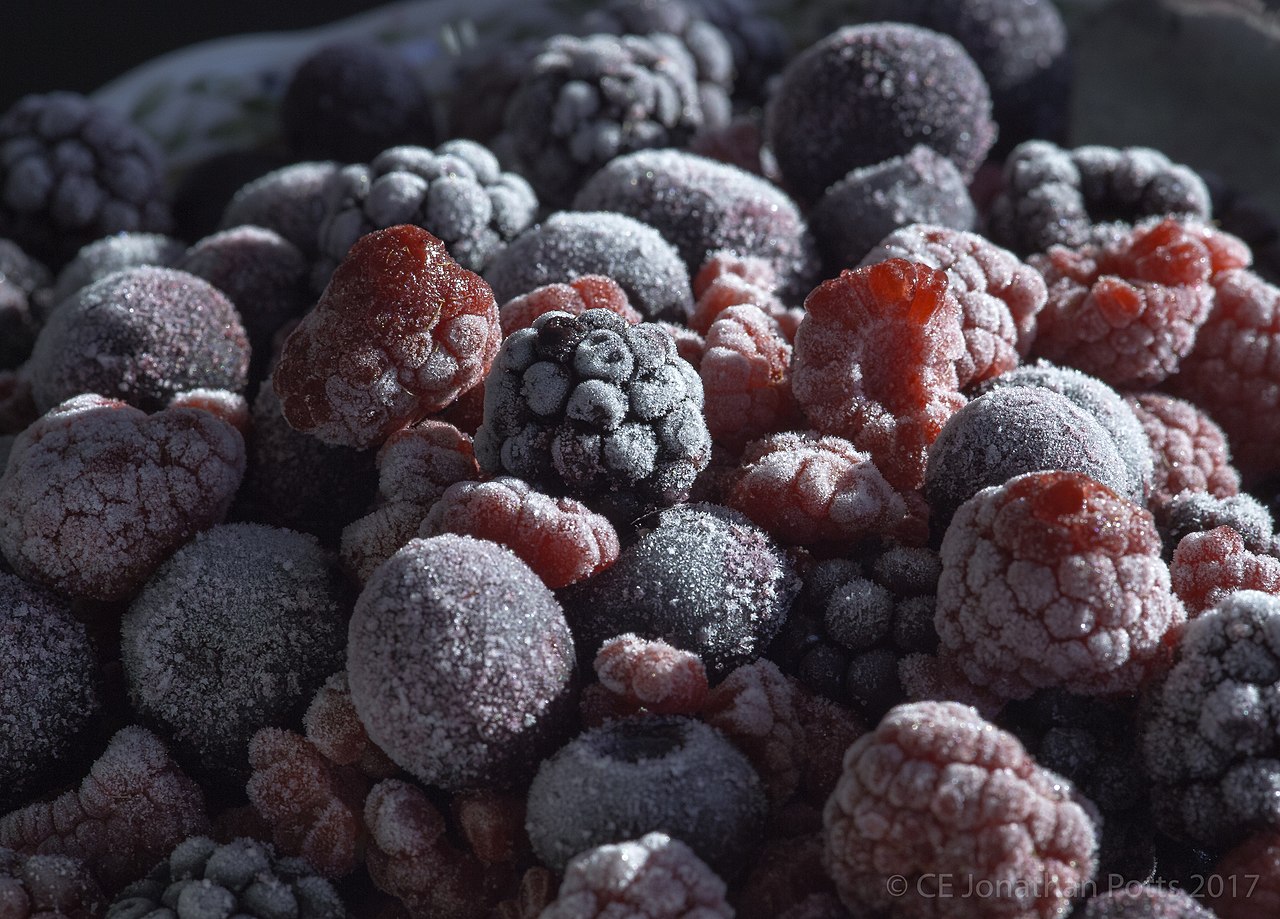
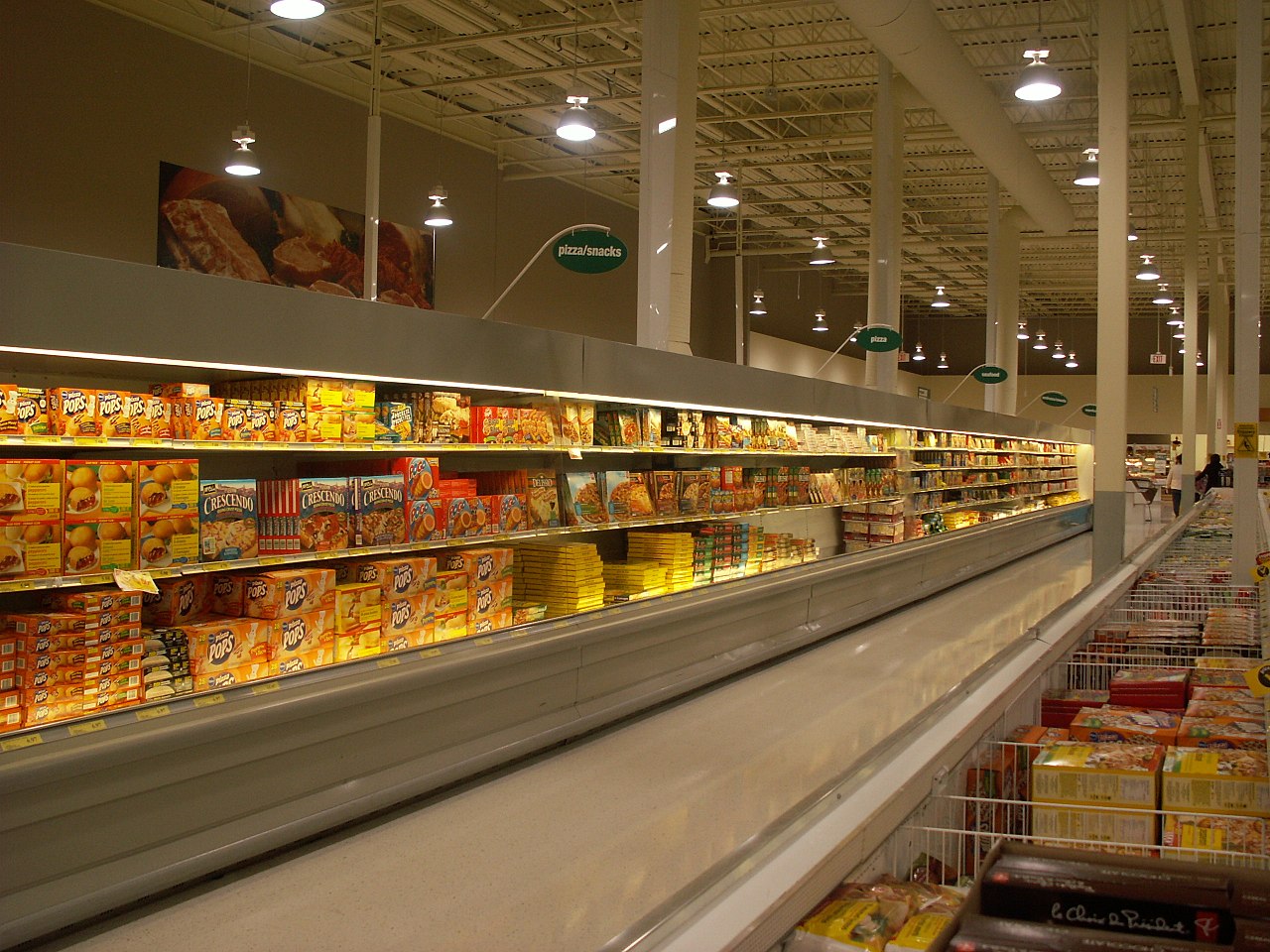
Frozen food refers to food items that have been chilled to subzero temperatures to halt or greatly slow microbial growth and enzymatic processes that cause spoilage. Freezing is a method of preservation used both by households and by the food industry to extend shelf life without relying on chemical preservatives. The process can apply to raw ingredients, partially prepared components, or fully cooked meals; products are typically packaged or sealed before freezing to protect quality. For a general definition and standards, see frozen food.
Image gallery
5 Images


Methods of freezing and packaging
There are several freezing methods, each affecting texture and shelf life. Rapid methods such as flash freezing or blast freezing form small ice crystals and better preserve cellular structure, while slower freezing allows larger crystals to form and can damage texture. Packaging—vacuum sealing, barrier films or airtight containers—reduces freezer burn and oxidation. Commercial processors often combine blanching (for vegetables), controlled cooling, and protective glazing for items like seafood to maintain quality.
Common frozen foods
Many categories of food are sold frozen. Examples include:
- Vegetables and fruit, which are often blanched and frozen to lock in vitamins and color; see resources on frozen vegetables at vegetables.
- Prepared meals and convenience items such as pizzas and ready-to-heat entrees; manufacturers provide cooking instructions and safety information, for example on prepared pizzas.
- Proteins like chicken, beef and seafood that are frozen either raw or after partial cooking; guidelines for handling frozen meat can be found at chicken and other meats.
History and development
Freezing as a preservation technique predates modern refrigeration, but industrial-scale frozen food markets expanded in the 20th century with advances in mechanical refrigeration, insulated transport, and packaging technology. Innovations such as quick freezing and freezer-compatible packaging enabled grocery distribution of a wide variety of frozen goods and supported the growth of convenience food markets.
Benefits, limitations and typical uses
Advantages of freezing include long shelf life, reduced need for chemical preservatives, and seasonal availability of produce year-round. Limitations include changes in texture for some foods, energy costs of cold storage, and the risk of freezer burn if packaging is inadequate. Common uses range from home meal preparation to large-scale foodservice and emergency food supply chains.
Safety, storage and quality
Safe handling includes keeping frozen goods at consistent temperatures (typically at or below −18°C/0°F recommended by many authorities), avoiding repeated thaw-refreeze cycles, and following label instructions. While freezing prevents microbial growth, it does not sterilize food—thawed items should be cooked or used promptly. Proper labeling with dates and rotating older items first helps maintain quality and reduces waste.
Related articles
Author
AlegsaOnline.com Frozen food: preservation, types, history and safety Leandro Alegsa
URL: https://en.alegsaonline.com/art/36847