
Fruit salad
A mixed-fruit dish served fresh or preserved, plain or dressed with juices, syrups, creams or yogurt; versatile as an appetizer, side or dessert with many regional forms.
Overview
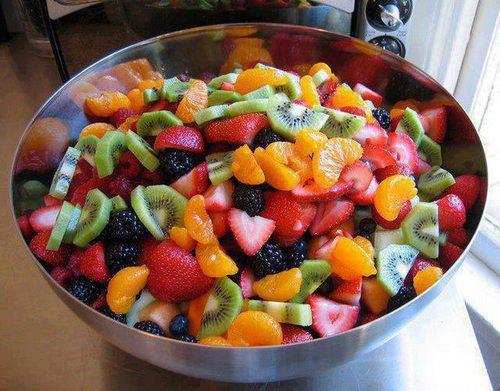
A fruit salad is a prepared combination of two or more fruits, typically cut into bite-sized pieces and arranged or tossed together. It can be made entirely from fresh produce, from canned or preserved fruits, or a blend of both. Fruit salads are served cold and commonly offered as an appetizer, side dish or dessert because of their natural sweetness and refreshing texture.
Image gallery
5 Images


Typical ingredients and preparation
Common components include apples, oranges, bananas, berries, grapes, melons, and tropical fruits. Some recipes add citrus juice, a light sugar syrup, or a splash of alcohol to combine flavors and slow browning. Additional elements such as chopped nuts, shredded coconut, herbs, or a spoonful of honey, yogurt or cream may be used to provide contrast in texture and flavor. For general guidance see basic fruit choices: fruits and common dressings: syrups and juices.
History and cultural variations
Preparations resembling fruit salads have long appeared in many culinary traditions where seasonal fruit was available. Over time, local produce and tastes shaped distinct versions: simple citrus and olive oil pairings in Mediterranean areas; tropical mixes featuring mango, pineapple and papaya in warmer regions; and canned fruit cocktails popularized by mass production and convenience in the 20th century. Recipes range from very plain mixtures to composed salads with added vegetables, spices or creamy dressings.
Uses, presentation and examples
Fruit salad is versatile in how it is presented: in a communal bowl, as individual cups, or as a component of other dishes. It complements breakfast buffets, picnics and brunches and is often chosen for its lightness and natural sweetness. Variants include the Waldorf-style preparations (combining fruit with nuts and a creamy dressing), tropical bowls, and chilled fruit soups or parfaits that layer fruit with yogurt or custard.
Storage, nutrition and tips
Fresh fruit salads are best consumed within a day or two because some fruits brown or soften. Acidic ingredients such as lemon or lime juice help preserve color and fresh flavor. Nutritionally, fruit salads provide vitamins, hydration and fiber, though additions like sugar syrup or heavy creams increase calories. Simple techniques—uniform cutting, gentle tossing, and chilling before serving—improve texture and appearance.
Distinctions and related dishes
Names and formats vary: "fruit cocktail" or "fruit cup" often refer to a canned mix packaged in syrup; "fruit salad" generally implies a fresher, less processed preparation. Related dishes include fruit compotes, preserves, and composed salads that combine fruit with vegetables, cheese, or proteins. These distinctions reflect differences in preparation, texture and intended use rather than strict culinary rules.
- Common add-ins: nuts, mint, citrus zest.
- Common dressings: honey, yogurt, light syrup.
- Serving ideas: buffet bowl, individual cups, layered parfaits.


Related articles
Author
AlegsaOnline.com Fruit salad Leandro Alegsa
URL: https://en.alegsaonline.com/art/36856
Sources
- commons.wikimedia.org : Fruit salads