
Frisian languages: overview, varieties, history and modern status
The Frisian languages are a small branch of West Germanic spoken along the southern North Sea coasts of the Netherlands, Germany and Denmark. This article describes their varieties, history, features and current situation.
Overview
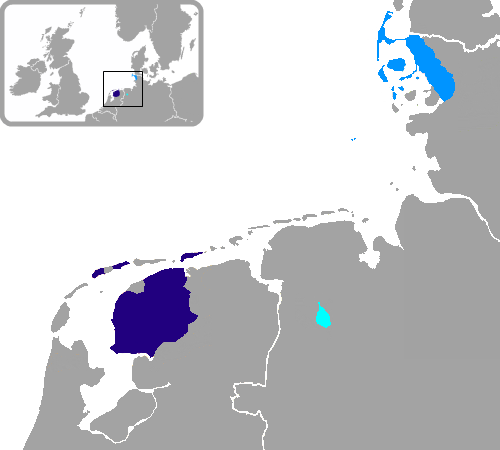
The Frisian languages form a closely related group of West Germanic languages traditionally associated with the coastal region of the southern North Sea. They are often collectively referred to as Frisian and are spoken in parts of the Dutch province of Friesland (a province of the Netherlands), along the northwestern coast of Germany, and in small pockets of western Jutland in Denmark. Island communities on the Wadden or Frisian Isles retain local varieties, including island speech on places such as Borkum.
Image gallery
10 Images



Primary varieties
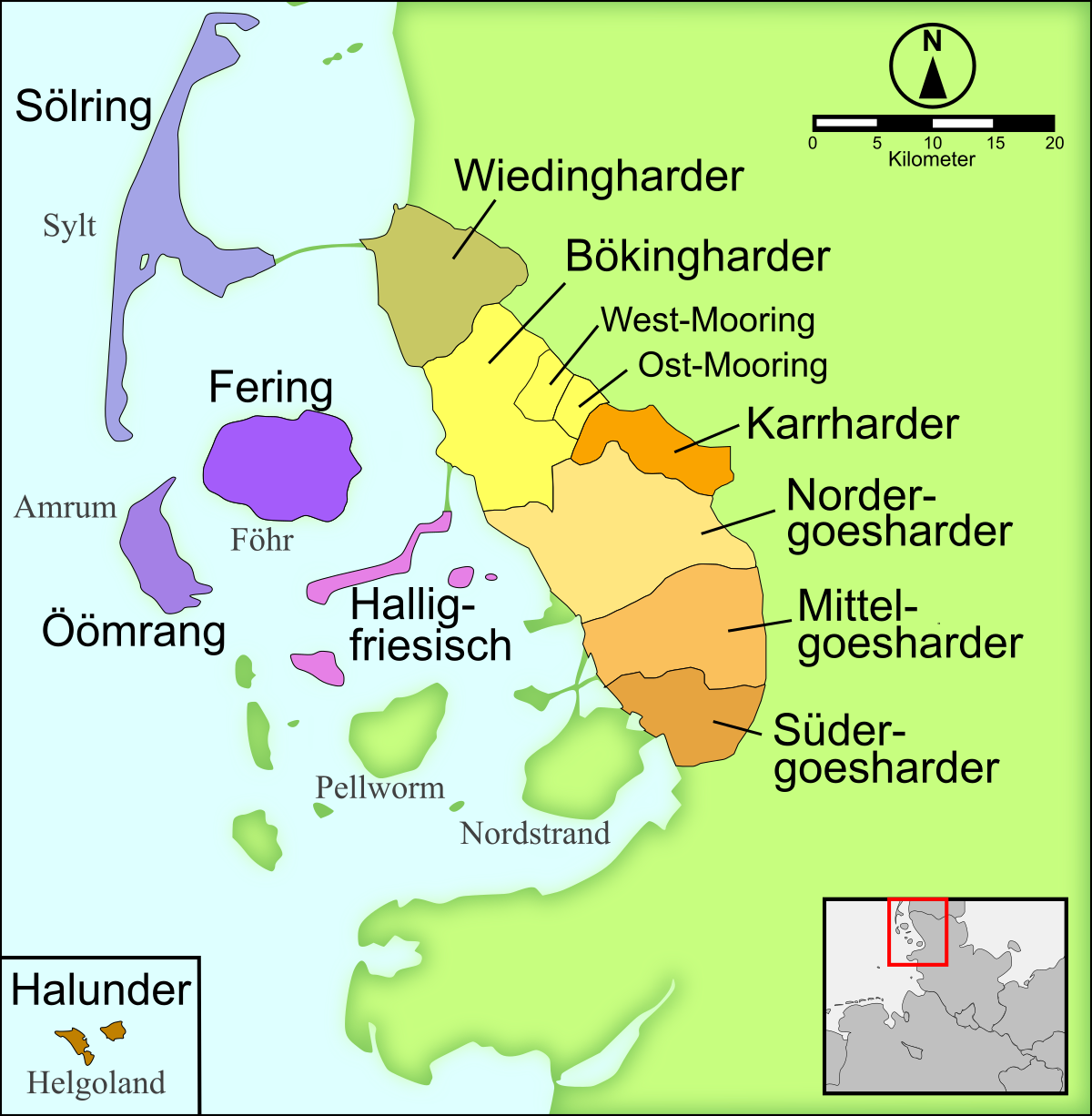
Most classifications recognize three main branches. West Frisian (often called Frisian or Frysk) is spoken in the Dutch province and on nearby islands. North Frisian comprises a very diverse set of dialects along the Schleswig-Holstein coast and on the North Frisian Islands. Saterland Frisian (sometimes termed East Frisian) survives as a local language in a small inland area of Lower Saxony. The branches are not mutually intelligible in all cases and include many local dialects.
History and development
Frisian varieties descend from the early Germanic dialects that developed along the North Sea coast. Linguists note a long history of continuity between those coastal speech forms and later medieval Frisian. Over time the languages were influenced by contact with neighbouring tongues such as Dutch, Low German and Scandinavian languages; despite this influence, Frisian retains many features that show a close historical affinity with English.
Linguistic features
Frisian languages share a number of phonological and lexical features with other West Germanic languages but also show distinctive developments. Common characteristics include conservative vowel patterns in some dialects, regional consonant changes, and a core vocabulary with many cognates to English and Dutch. Grammar and syntax are West Germanic in character, though each branch has unique morphological and syntactic traits at the dialect level.
Writing, standardization and literature
West Frisian has a well established standard written form (Frysk) used in education, literature and broadcasting in the Netherlands. North Frisian lacks a single standard and its many dialects use different orthographic solutions; Saterland Frisian has its own orthography and a small body of written material. Cultural organizations and local publishers promote literature, dictionaries and media in the various Frisian varieties.
Status and revitalization
The sociolinguistic situation varies by region. West Frisian benefits from institutional support and is used in schools and local government in Friesland; the German Frisian varieties have recognition under minority language protections and receive support for schooling and media in some areas. Many dialects are vulnerable or endangered, and community-led revitalization, bilingual education and broadcasting are important for maintaining usage.
Geographic distribution and communities
Speakers are concentrated along the Dutch and German North Sea coasts and on the islands; small communities in Denmark also preserve Frisian speech. Migration, urbanization and language shift have reduced active speaker numbers in some places, while local pride and policy measures have helped sustain use in others.
Further reading and resources
- Introductory overviews and language profiles often treat Frisian as a single family with three principal branches (West Frisian, North Frisian, Saterland/East Frisian).
- Regional government and cultural sites for Friesland and for authorities in the Netherlands and Germany provide information on education and minority language policy.
- Linguistic discussion of Frisian's relationship to English and Dutch appears in comparative West Germanic studies.
Related articles
Author
AlegsaOnline.com Frisian languages: overview, varieties, history and modern status Leandro Alegsa
URL: https://en.alegsaonline.com/art/36761