
Ge (Cyrillic letter Г)
Ge (Г, г) is the fourth Cyrillic letter, derived from Greek gamma and generally representing /g/ or /h/ sounds; it has regional variants and distinct roles in Slavic and non‑Slavic alphabets.
Overview
Ge (uppercase Г, lowercase г) is the fourth character in the standard Cyrillic order. Its shape resembles an inverted Greek gamma and it commonly denotes a voiced velar stop like English "g". In some languages that use Cyrillic it represents a voiced fricative similar to English "h" or other related sounds.
Image gallery
1 Image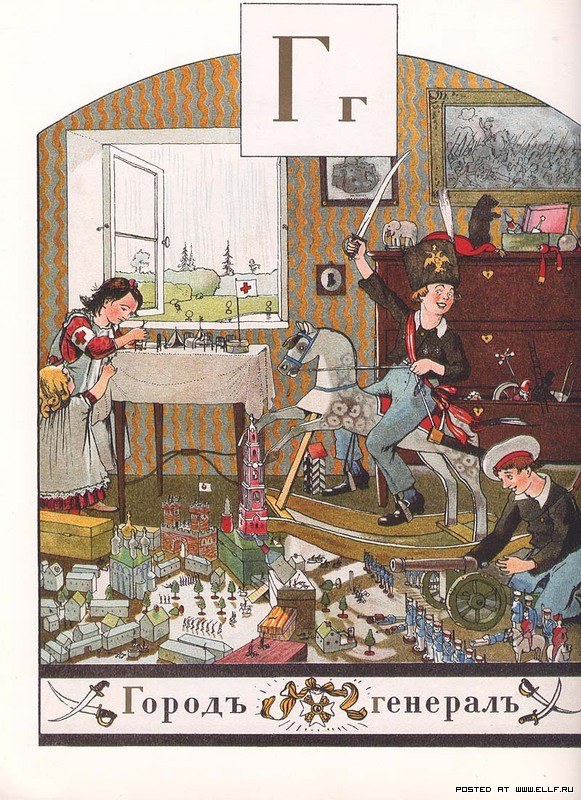
Form and pronunciation
The printed form is a simple two-stroke character. Pronunciation varies by language: in Russian, Bulgarian and Macedonian it typically stands for /g/. In Ukrainian and several other languages the plain letter can correspond to a voiced glottal fricative (/ɦ/), while a separate letter (ґ) is used to indicate the velar plosive /g/ where that distinction is phonemic.
Origins and development
Cyrillic Ge traces its origin to the Greek gamma, adapted when the Cyrillic script was created in the First Bulgarian Empire in the 9th–10th centuries. The early Slavic name for the letter was "glagoli," reflecting the old Slavic alphabetic tradition and mnemonic names used in liturgical texts. Its visual form and value were influenced by Greek uncial writing, with later regional styles adapting stroke details.
Variants and related letters
- Ghe with upturn (ґ) — used in Ukrainian to mark /g/ distinctly from /ɦ/.
- Several other modified forms (with hooks, descenders or strokes) appear across non‑Slavic languages to represent different guttural or palatal sounds.
Transliteration and usage
In most standard transliteration schemes Cyrillic Ge is rendered as the Latin letter G, though languages that pronounce it as an /h/-like sound may use H in practical transcriptions. The letter appears in native vocabularies, loanwords and proper names across the many alphabets that employ Cyrillic characters.
Notable facts
Ge is among the oldest letters inherited from the Greek model and remains one of the most stable elements of the Cyrillic inventory. Its sound value provides a useful example of how a single letter can evolve different phonetic roles across related languages and writing reforms.
Related articles
Author
AlegsaOnline.com Ge (Cyrillic letter Г) Leandro Alegsa
URL: https://en.alegsaonline.com/art/37808