
Friesland (Fryslân): language, landscape and culture of the northern Dutch province
Friesland (Fryslân) is a northern province of the Netherlands with its own West Frisian language, maritime landscape, agricultural economy, notable livestock breeds and a strong skating and cultural tradition.
Overview
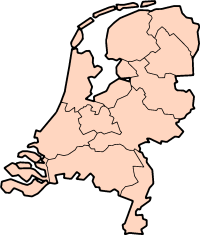
Friesland, also known by its West Frisian name Fryslân and by the Dutch name Friesland, is a province in the north of the Netherlands. Its administrative capital is Leeuwarden, which also serves as a regional cultural and service centre. The province has a distinctive identity within the Dutch state: a local language, a maritime landscape of lakes and islands, and traditions that are widely recognised in the Netherlands and beyond.
Image gallery
10 Images




Geography and language
Friesland occupies coastal territory along the North Sea and the intertidal Wadden area, with inland lakes and reclaimed polders. The northern coastline includes islands in the Wadden Sea. The Frisian language commonly called West Frisian or Frysk is spoken alongside Dutch; both appear in education, public signs and local media. Variants of Frisian are also spoken in neighbouring parts of the province of Groningen and across the border in parts of Germany, notably East Friesland and North Friesland (Ostfriesland and Nordfriesland).
Economy and everyday life
Agriculture has long been a backbone of the provincial economy, with dairy farming and crop production prominent; tourism centred on waterways, coastal islands and nature reserves also contributes significantly. Visitors come for boating, birdwatching and seasonal events. The combined role of primary production and leisure activity sustains local employment and municipal revenues (agriculture and tourism, income).
Culture, sport and traditions
Friesland is particularly well known for ice skating traditions. When conditions permit, the historic long-distance skating tour known as the Elfstedentocht (Eleven Cities Tour) follows frozen canals and lakes through urban centres and countryside. Competitive and recreational skating has a prominent place in regional identity (ice skaters).
Breeds, symbols and notable facts
The province is associated with several livestock breeds and working dogs. Examples include the internationally known Friesian (Fries) horse, famous for its black coat and riding presence, and dairy strains such as Holstein Friesian cattle. Local dog breeds like the Stabyhoun and Wetterhoun remain part of rural cultural heritage. Friesland’s coat of arms, flags and municipal emblems frequently reference waterways and agricultural motifs.
Administration and distinctions
Administratively Friesland is one of the Netherlands’ provinces (province), and it should not be confused with the historical or geographical uses of the name elsewhere. For example, a region called West Friesland lies in the province of North Holland, but its inhabitants are not the same as the Frisian-speaking population of Fryslân. The province’s combination of language rights, landscape and cultural traditions makes it a distinctive part of the Dutch kingdom and a subject of interest for visitors and scholars alike.
- Capital: Leeuwarden
- Languages: West Frisian and Dutch
- Landscape highlights: Wadden Sea islands, inland lakes
- Notable events: Elfstedentocht
For more detailed local information or official resources consult regional guides and provincial services that describe current demographics, economic data and cultural programmes.
Related articles
Author
AlegsaOnline.com Friesland (Fryslân): language, landscape and culture of the northern Dutch province Leandro Alegsa
URL: https://en.alegsaonline.com/art/36746