
Friuli‑Venezia Giulia: an overview of the northeastern Italian region
Friuli‑Venezia Giulia is an autonomous Italian region on the Adriatic Sea, where Alpine, Karst and coastal landscapes meet a multilingual population and a rich Central European–Mediterranean heritage.
Friuli‑Venezia Giulia is a geographically diverse and culturally distinctive region in Italy. Located in the extreme northeast of Italy, it faces the Adriatic Sea and has the city of Trieste as its administrative capital. The region has roughly 1,191,588 inhabitants and enjoys a special autonomous statute that provides expanded legislative powers compared with ordinary Italian regions. Its position at the meeting point of Latin, Slavic and Germanic Europe has shaped a distinctive regional identity.
Image gallery
10 Images


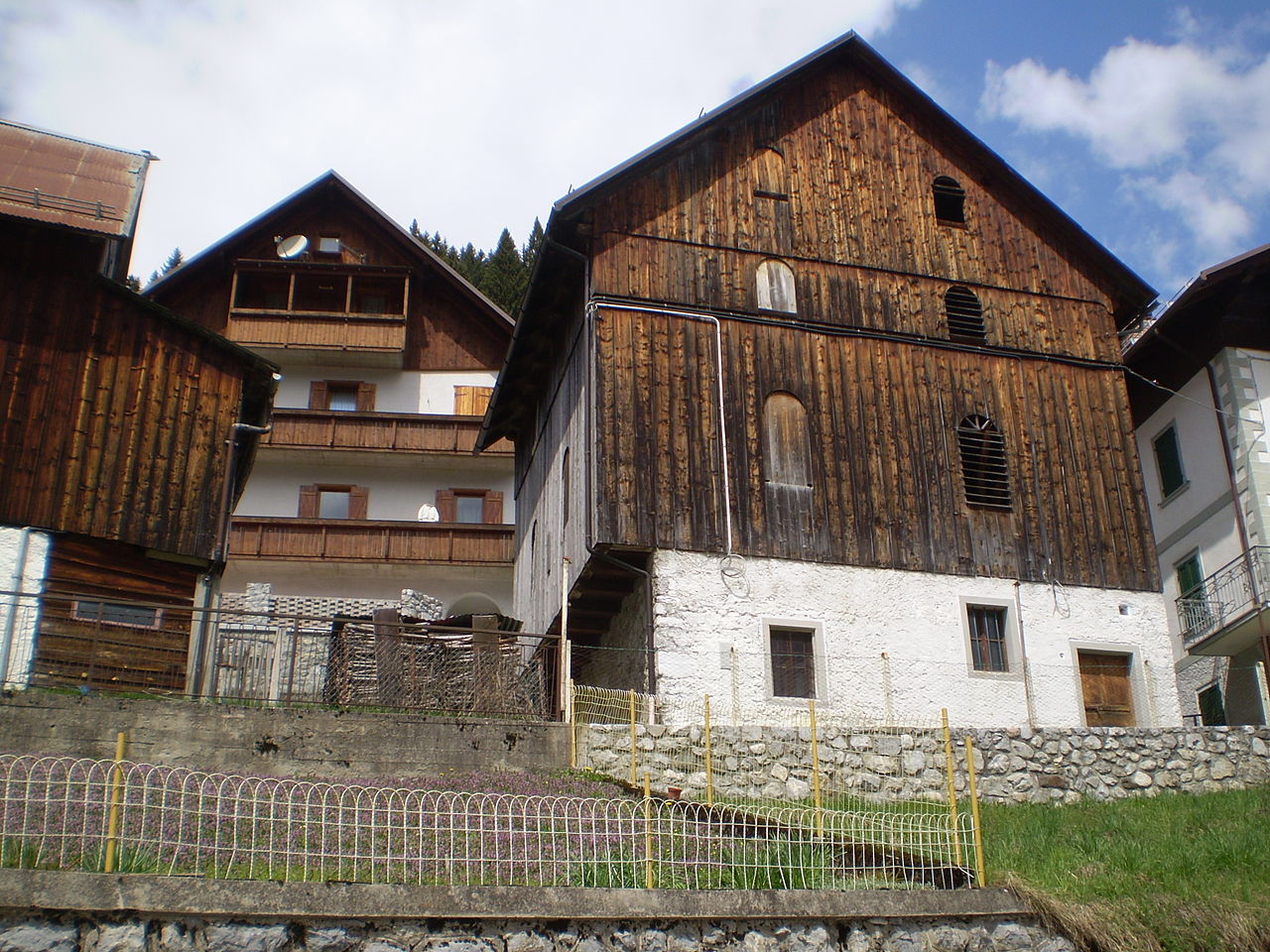


Geography and climate
The territory stretches from the high ridges of the Julian and Carnic Alps in the north, across the broad alluvial plain of Friuli, down to a short but important Adriatic coastline and the Gulf of Trieste. Karst plateaus and the rugged Julian Alps are notable features; important rivers such as the Tagliamento cross the plain. Climatic conditions vary from alpine cold in the mountains to mild, maritime weather on the coast. The cold, gusty bora wind is a well‑known local phenomenon, especially around Trieste.
Administration and urban centres
Administratively the region is divided into provinces and municipalities. Major urban centres include Trieste, Udine, Pordenone and Gorizia. The port of Trieste is a major logistics hub for northeastern Italy and Central Europe, and transport corridors crossing the region link the Italian peninsula with Austria and countries farther east.
History and cultural influences
Friuli‑Venezia Giulia has a long history of overlapping influences: Roman settlement, medieval Mediterranean trade, long periods under the Republic of Venice and the Habsburg Empire, and incorporation into the modern Italian state. This layered past appears in the architecture of towns, bilingual place‑names in border areas, and a variety of legal and institutional traditions. The archaeological site of Aquileia is one of the region's best‑known historic landmarks.
Languages and identity
Several languages and linguistic varieties are present and legally protected. Italian is the national language and widely used in public life and education. Regional and minority languages include Friulian, a Rhaeto‑Romance language spoken across much of the plain; Slovene, used in communities near the eastern border; and German varieties spoken in some mountain valleys and historic minority communities (German). This multilingualism contributes to rich local traditions in literature, music and festivals.
Economy, agriculture and tourism
The regional economy combines port activity, manufacturing, specialised agriculture and tourism. Vineyards and high‑quality winemaking are important in many areas, and locally produced foods such as the cured ham of San Daniele are widely known. Mountain areas offer hiking and skiing, while the coast and cultural cities attract visitors interested in history, architecture and the distinct café culture of Trieste.
Transport and cross‑border links
Because of its geographic position the region is a corridor between Italy and Central Europe. Road and rail connections facilitate trade and mobility to neighbouring countries. Friuli‑Venezia Giulia borders the Italian region of Veneto to the west, Austria to the north and Slovenia to the east, making cross‑border cooperation important for economy and culture.
Further reading and resources
Readers seeking official information, statistical data or tourist guidance can consult regional resources and local institutions. Useful starting points include an official region overview and municipal and cultural sites listed below.
- Region overview
- Regional government
- Trieste city information
- Demographic notes
- Neighboring Veneto
- Border with Austria
- Border with Slovenia
- Italian language
- Slovene language
- German language
The region's mix of Alpine landscapes, karst geology, and Adriatic coast, together with a multilingual population and a complex history, make Friuli‑Venezia Giulia a distinct and strategically important part of northeastern Italy.
Questions and answers
Q: Where is Friuli-Venezia Giulia located?
A: Friuli-Venezia Giulia is located in the northeast of Italy, on the Adriatic Sea.
Q: What is the capital of Friuli-Venezia Giulia?
A: The capital of Friuli-Venezia Giulia is Trieste.
Q: What is the population of Friuli-Venezia Giulia?
A: The population of Friuli-Venezia Giulia is 1,191,588.
Q: What are the neighboring regions of Friuli-Venezia Giulia?
A: Friuli-Venezia Giulia shares a border with the Italian region of Veneto to the west, Austria to the north and Slovenia on the east.
Q: What are the languages spoken in Friuli-Venezia Giulia?
A: People in Friuli-Venezia Giulia speak Italian, Friulian, Slovene and German.
Q: How do you pronounce Friuli-Venezia Giulia?
A: Friuli-Venezia Giulia is pronounced [friˈuːli veˈnɛttsja ˈdʒuːlja].
Q: What is the geographic location of Friuli-Venezia Giulia?
A: Friuli-Venezia Giulia is located in the northeastern part of Italy, bordering Veneto and Slovenia, and is situated on the Adriatic Sea.
Related articles
Author
AlegsaOnline.com Friuli‑Venezia Giulia: an overview of the northeastern Italian region Leandro Alegsa
URL: https://en.alegsaonline.com/art/36789