
Franz Josef Land — Russian Arctic archipelago
Remote Russian archipelago in the Arctic Ocean, north of Novaya Zemlya. About 191 mostly glaciated islands, site of historic polar exploration, limited seasonal access, and Arctic wildlife.
Overview
Franz Josef Land is a high‑Arctic archipelago located north of Novaya Zemlya in the Arctic Ocean. Administratively it belongs to Russia and is managed from the regional center at Arkhangelsk. The island group lies among the northernmost land in Eurasia: the cape known as Cape Fligely on Rudolf Island is the northernmost point of the Eurasian landmass and sits only about 900 km from the North Pole. Only Greenland, and the Canadian Arctic archipelago including Ellesmere Island within Canada, are closer to the Pole.
Image gallery
10 Images




Geography and geology
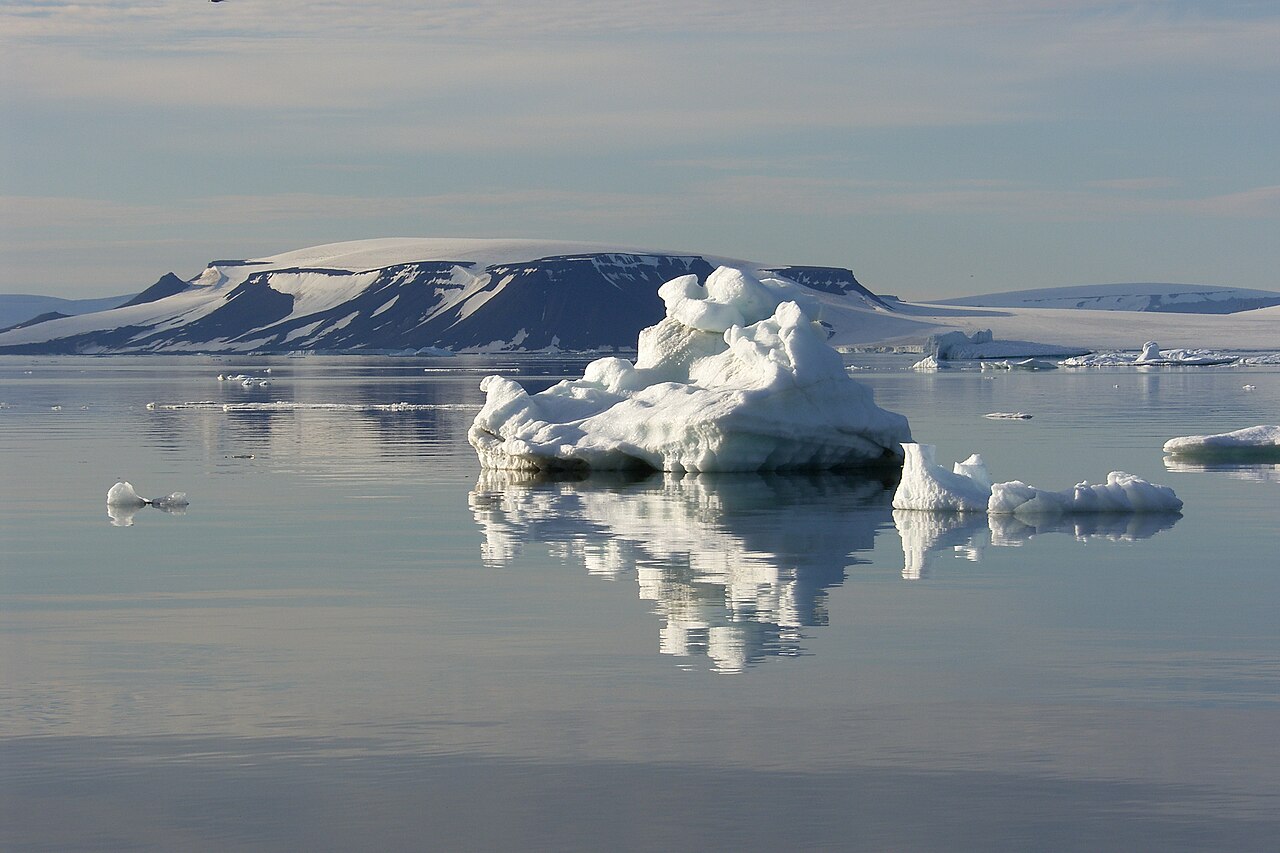
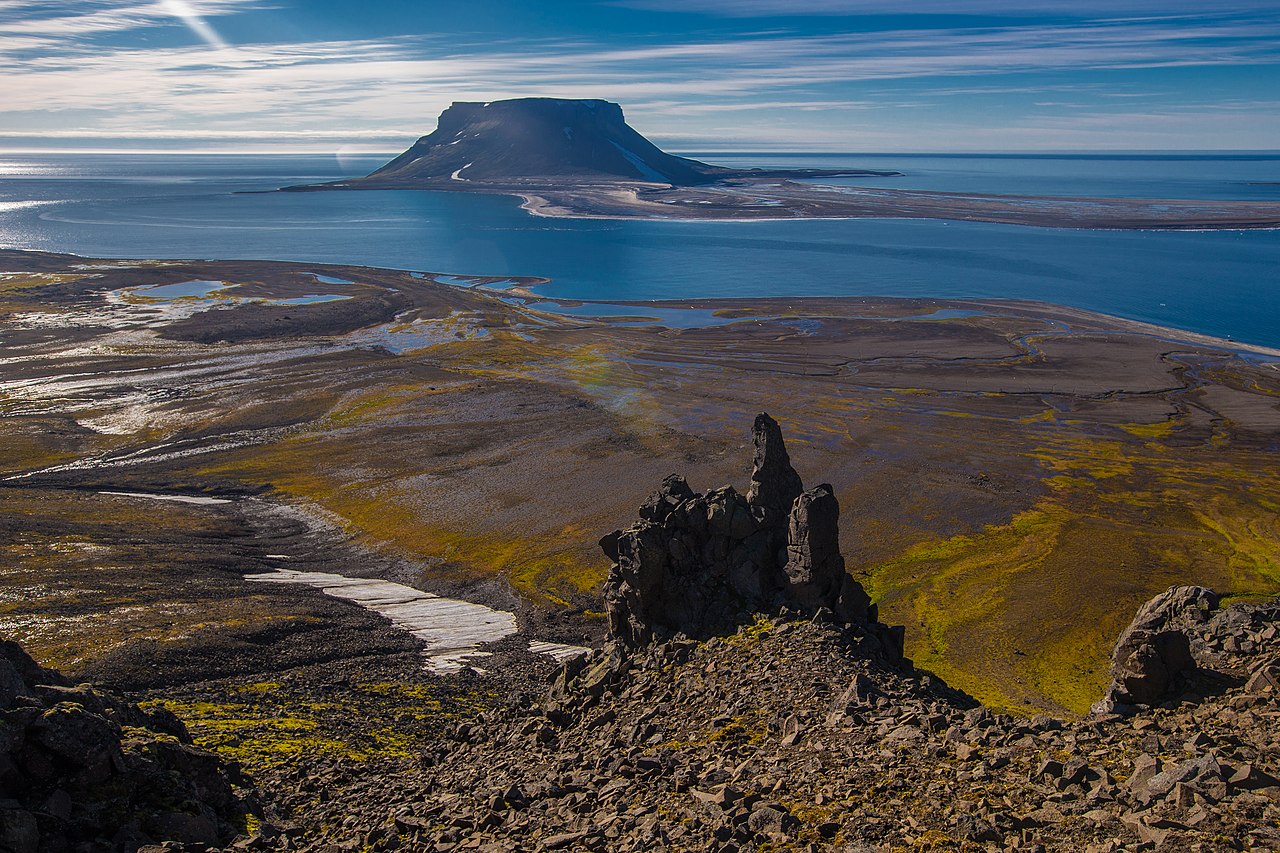
The group comprises roughly 191 islands of varying size and shape. Most islands are heavily glaciated—about four out of five islands remain ice‑covered year‑round—and glacial ice dominates their appearance. Beneath and between the ice there are rock outcrops of sedimentary and volcanic origin; some features reflect the archipelago's complex geological history and past volcanism (volcanic formations). Victoria Island lies to the west of the main cluster, roughly midway toward Svalbard, and several channels and straits separate the islands from nearby landmasses.
Human presence and activity
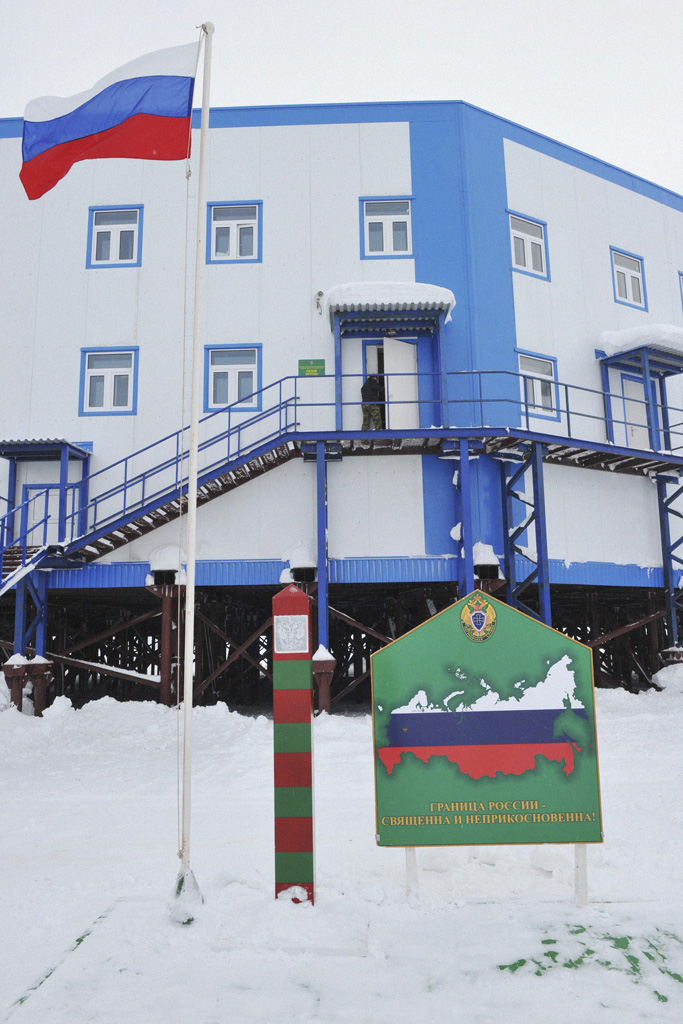
Permanent native populations were never established; human activity has been episodic and tied mainly to exploration, meteorology, scientific research, and military use. Because of extreme ice and weather conditions access is limited: the islands are reachable only during a short summer window by icebreaker or polar expedition vessels. As an example of on‑site facilities, there have been Russian weather and polar stations such as Nagurskoye, and scientific teams occupy temporary field camps for seasonal work.
History and exploration
Franz Josef Land entered European maps in the late 19th century following polar expeditions. It became famous as a base and waypoint for attempts to reach the North Pole and for early scientific study of high‑latitude conditions. The archipelago was named in honor of Emperor Franz Joseph I by its Austro‑Hungarian discoverers. Over the 20th century the islands figured in Soviet Arctic strategy, exploration, and mapping.
Ecology, conservation and importance
Despite its harsh climate, Franz Josef Land supports specialized Arctic life: polar bears, seals, walruses, and seabird colonies rely on sea‑ice and coastal habitats for feeding and breeding. The area is important for climate and glaciological research, monitoring sea‑ice changes and Arctic ecosystems. Conservation efforts have sought to limit the footprint of human activity while enabling scientific study and controlled tourism in the short summer season.
Notable facts
- The archipelago consists of nearly 191 islands and is one of the northernmost large island groups in the world (North Pole proximity).
- Cape Fligely on Rudolf Island marks the northernmost point of Eurasia (Cape Fligely).
- Access is seasonal and generally only possible for a few weeks each summer; many voyages to the islands are undertaken by icebreaker and expedition ships.
- Its remote location places it between other polar regions such as Greenland, the Canadian Arctic (Canada, Ellesmere Island), and Svalbard (Svalbard).
- The islands have been the focus of historical polar exploration and ongoing scientific research, and contain rock records showing sedimentary and volcanic influences (volcanic).
Because of the combination of extreme environment, historical significance, and fragile ecosystems, Franz Josef Land remains a place of scientific interest and careful management rather than large‑scale human settlement.
Related articles
Author
AlegsaOnline.com Franz Josef Land — Russian Arctic archipelago Leandro Alegsa
URL: https://en.alegsaonline.com/art/36305