
Fraser River
Major river in British Columbia, Canada, flowing nearly 1,400 km from the Rocky Mountains to the Pacific; vital for ecosystems, Indigenous cultures, economy and regional history.
Overview

Image gallery
10 Images


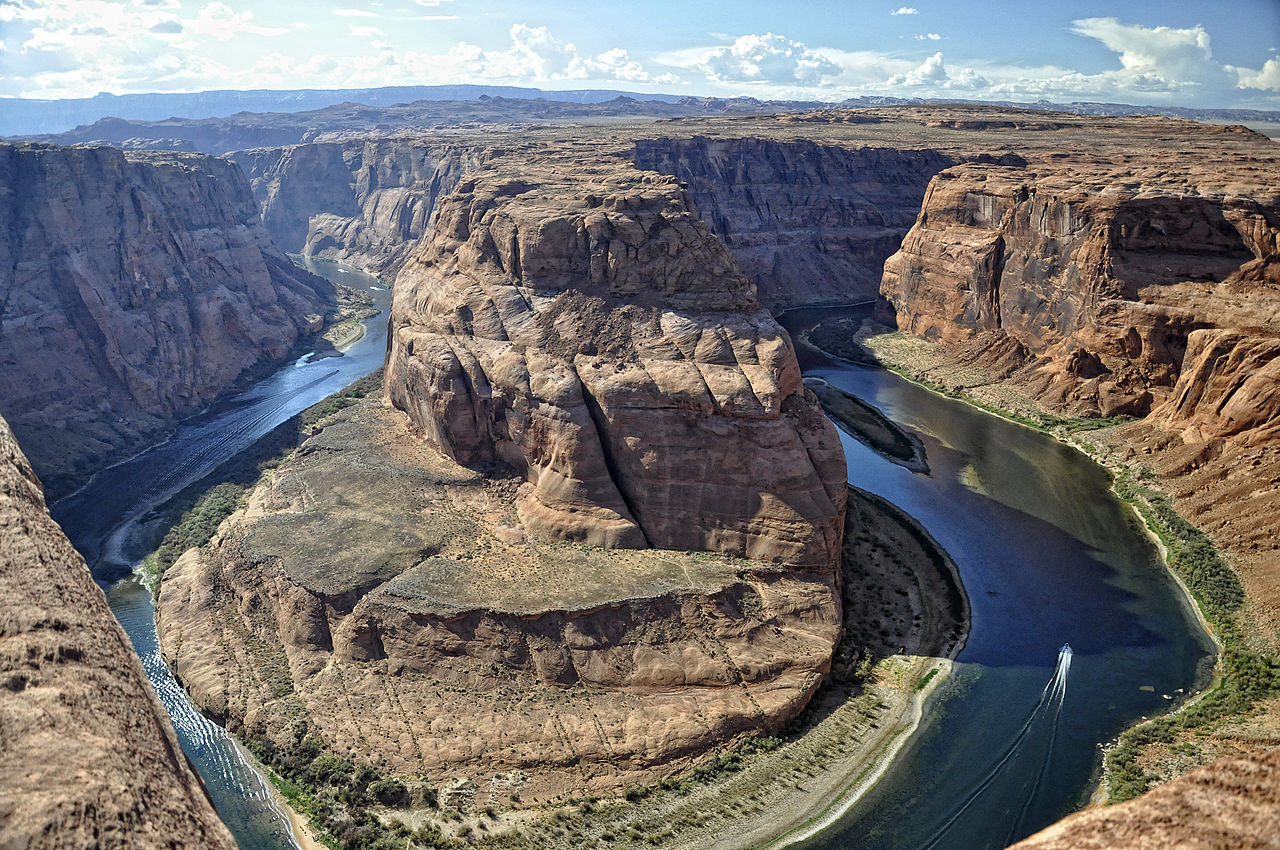
Course and physical features
The Fraser rises in the eastern ranges of the Rocky Mountains and travels generally west and southwest. Along its route it passes narrow gorges such as the Fraser Canyon, broad valleys and a large estuarine delta. Sediment carried from upland areas builds the delta and supports extensive wetlands and agricultural lands. The river’s gradient and channel form change markedly along its length.
Hydrology and delta
The Fraser’s flow is strongly seasonal, driven by spring snowmelt and summer rains. High flows can cause flooding on lowland reaches and influence sediment deposition in the estuary. The river’s delta forms an important transitional zone between freshwater and oceanic environments, with tidal channels, marshes and intertidal flats that support birds, fish and other wildlife.
Ecology and fisheries
The Fraser supports major Pacific salmon runs and other fish species that are central to regional ecosystems and economies. Salmon such as sockeye, Chinook, coho and other species undertake long migrations to spawn in tributaries. These runs sustain commercial, recreational and Indigenous fisheries and are critical to terrestrial and aquatic food webs, bringing marine-derived nutrients far inland.
Human history and use
For millennia Indigenous peoples have relied on the Fraser’s resources and developed deep cultural connections to its salmon and sites. European exploration, fur trade activity and mid-19th century gold rushes brought rapid change and settlement to the river corridor. Over time the valley has become an important corridor for transportation, agriculture, industry and urban development.
Conservation and management
The Fraser faces challenges including habitat loss, flood risk, urban and agricultural pressures, and climate-driven changes in flow and temperature that affect fish and ecosystems. Hydroelectric development on some tributaries, land-use change and water management demands also influence river health. Conservation efforts increasingly emphasize Indigenous stewardship, habitat restoration, scientific monitoring and coordinated management to balance human uses with ecological resilience across the watershed in Canada.
- Longest river contained entirely within British Columbia and a major feature of regional geography.
- Supports critical salmon populations and a wide range of wildlife.
- Subject of ongoing conservation, Indigenous co-management and scientific study to address contemporary environmental pressures.
Related articles
Author
AlegsaOnline.com Fraser River Leandro Alegsa
URL: https://en.alegsaonline.com/art/36321