
Franconia: region, history and culture of northern Bavaria
Franconia is the northern cultural region within Bavaria, Germany, noted for distinct dialects, medieval towns, beer and wine traditions, and cities such as Nuremberg, Würzburg and Bamberg.
Overview
Franconia is the historic northern part of the German lands now largely contained within the modern state of Bavaria. In German it is known as Franken and local speech includes a variety of Franconian dialects. The area has a long cultural continuity that is visible in its towns, churches and countryside, and it is often described as a region within the larger political entity of the federal state.
Image gallery
10 Images






Geography and subdivisions
Franconia is commonly divided into three principal parts: Upper Franconia, Middle Franconia and Lower Franconia. These subdivisions follow historical, linguistic and administrative patterns and encompass river valleys such as the Main and various uplands and forested areas. The landscape has shaped settlement, agriculture and transport routes for centuries.
Cities and towns
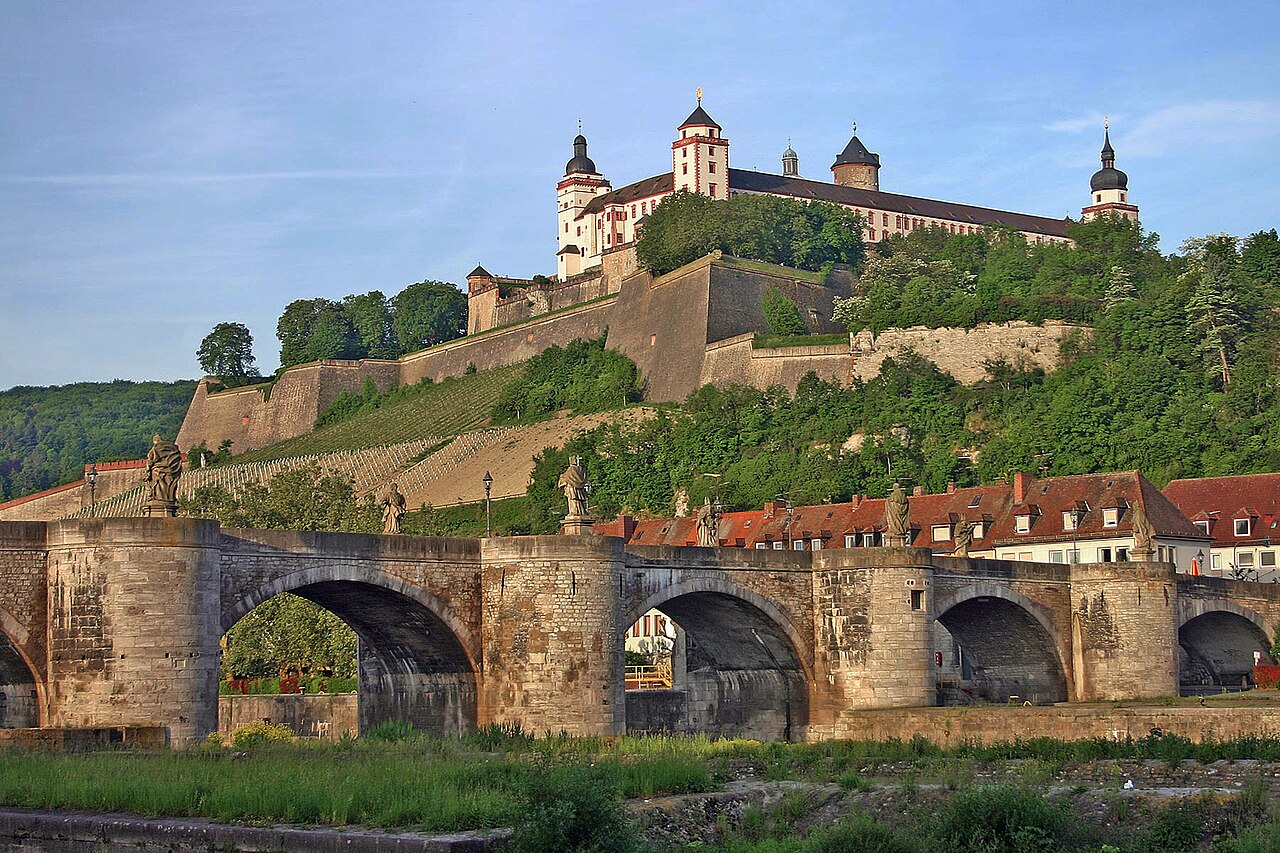
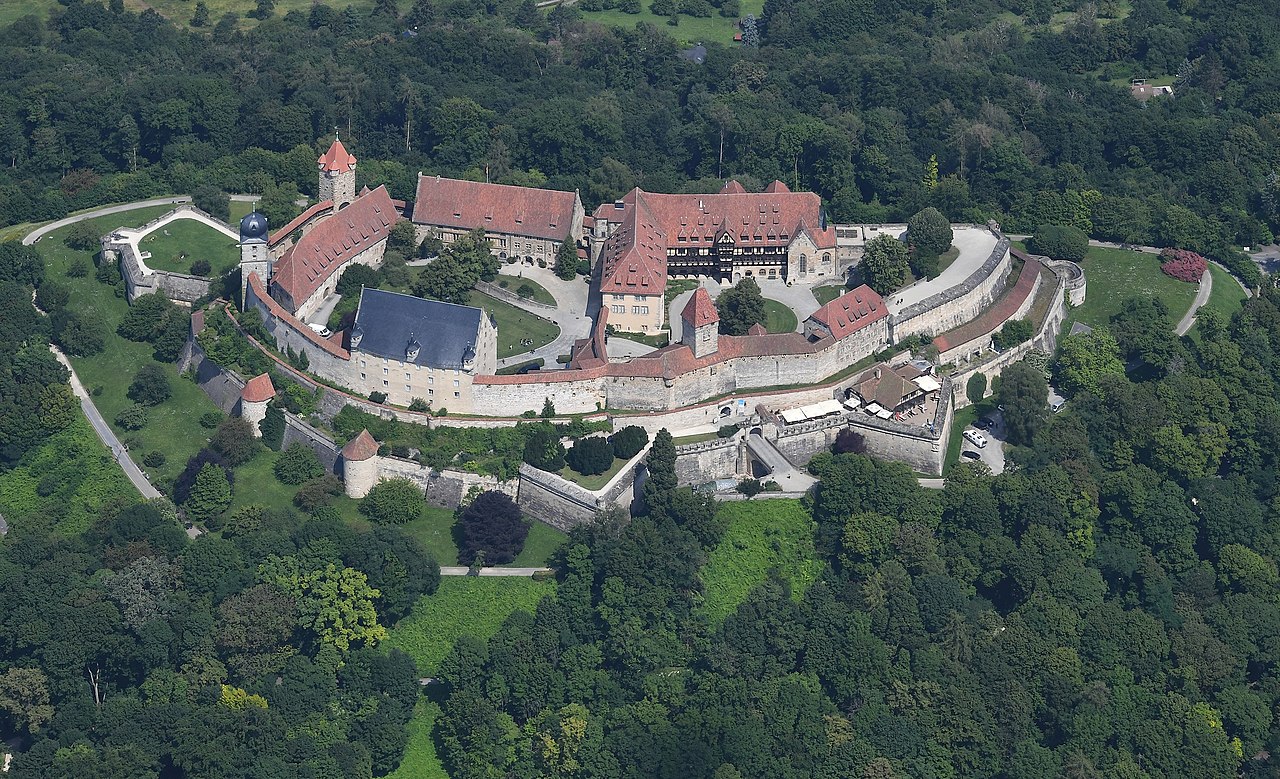
The region contains many important urban centres. The largest city is Nuremberg, known for its medieval castle, old market and historical role in trade and crafts. Other notable towns include Coburg, Aschaffenburg, Würzburg, Erlangen, Fürth, Bamberg, Bayreuth, Schweinfurt and Hof. Together these centres form the core of the region's economy and cultural life and are often discussed as the region's major cities and hubs.
History
The name Franconia recalls the early medieval Franks and later territorial formations such as duchies, bishoprics and free imperial cities. In the late medieval and early modern periods the area was politically fragmented among princes, bishops and imperial towns, a pattern altered by the secularisation and territorial reorganisations of the Napoleonic era. By the 19th century most Franconian lands were incorporated into the Bavarian kingdom, yet local institutions and customs persisted.
Language, culture and traditions
Local dialects and traditions contribute to a distinct Franconian identity. Culinary and beverage customs are prominent: the Main valley supports notable vineyards and Lower Franconia is associated with wine production, while Upper Franconia is celebrated for a high density of traditional breweries. Franconian towns preserve medieval architecture, historic marketplaces and festivals; for example, Bamberg's town centre is recognised for its integrity and several cities maintain notable music or theatre traditions, especially in places like Bayreuth.
Economy and transport
Franconia's economy is a mix of manufacturing, mid-sized industry, services and agriculture. Urban centres provide administrative, educational and cultural services and the region is well connected by road and rail to other parts of Germany, aiding trade and tourism. Many small and medium-sized enterprises continue long local craft and industrial traditions.
Identity and symbols
Many residents emphasise a Franconian identity that is expressed through dialect, local festivals, cuisine and civic symbols. This regional identity coexists with membership in the state of Bavaria and with national German institutions. Visitors encounter a pronounced sense of place in the region's museums, historic centres and rural landscapes.
Related articles
Author
AlegsaOnline.com Franconia: region, history and culture of northern Bavaria Leandro Alegsa
URL: https://en.alegsaonline.com/art/36129