
Football in Argentina: history, competitions and cultural importance
A concise guide to football in Argentina covering origins, domestic structure, national and club achievements, women's and futsal development, and the sport's cultural significance.
Overview
Football is the dominant sport in Argentina, woven into daily life from neighbourhood pitches to professional stadia. National governing figures reported by FIFA and local authorities show millions of registered participants, thousands of clubs and a broad volunteer base of officials and coaches; surveys commonly find that the vast majority of Argentines have a favourite club. The game is played informally in schools, streets and clubs as well as through formal youth academies that supply talent to professional teams and foreign leagues.
Image gallery
5 Images

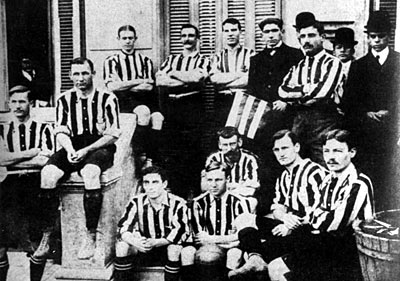


Roots and early development
Modern football arrived in Argentina in the late 19th century with British expatriates and sailors in ports such as Buenos Aires. Informal matches quickly gave way to organized competition: an Argentine league was established in 1891, making it one of the earliest national leagues after those in Great Britain and the Netherlands. The national association formed soon after and, over decades, the system evolved from amateur origins to a deeply rooted professional structure with many historic clubs.
Domestic competitions and club achievements
The Argentine domestic calendar centers on the top national division, regional and national cups, and youth tournaments. Clubs such as Boca Juniors, River Plate, Independiente and Racing have long traditions and large followings. Argentine teams have been especially successful in South American club contests: they have a record number of victories in the continental Copa Libertadores and have claimed multiple Intercontinental and global club honours. Domestic rivalries—most famously the Superclásico between Boca Juniors and River Plate—are high-profile events that attract intense attention.
- Key continental competition: Copa Libertadores
- Notable domestic cup: national league and knockout cups
National team and international record
The Argentina national team is among the world's most successful and celebrated sides. It has won the FIFA World Cup on multiple occasions, including memorable triumphs in 1978 and 1986, and later campaigns that reinforced its global standing. Argentina finished runners-up in early tournaments such as 1930 and in later finals including 1990. The national side has also been a dominant force in the continental Copa América, producing generations of world-class players.
Women's game, futsal and beach football
Organised women's football in Argentina has grown since the establishment of a national league in the early 1990s. The women's national team reached the FIFA Women's World Cup for the first time in 2007 and has since worked to expand participation and professional opportunities. Variants of football are also prominent: Argentine teams compete in futsal and have earned titles and strong finishes at both FIFUSA/AMF and FIFA events, and the country fields sides in international beach football tournaments.
Cultural significance and development
Beyond trophies, football is a social institution in Argentina. Local clubs provide community identity and social mobility; youth academies are a pathway to professional careers both domestically and abroad. Iconic players have become national symbols and ambassadors of the sport. Matches are notable for impassioned supporters, distinctive chants, and stadium atmospheres that draw international attention. Ongoing challenges include ensuring equitable investment across the men's and women's games, improving facilities at grassroots level, and managing the commercial pressures that come with global popularity.
Related articles
Author
AlegsaOnline.com Football in Argentina: history, competitions and cultural importance Leandro Alegsa
URL: https://en.alegsaonline.com/art/35497
Sources
- fifa.com : "Member Association - Argentina - FIFA.com"
- consultoraequis.com : Consulto Aequis
- rsssf.com : "Argentina 1891"
- amfutsal.com.py : AMF statistics
- afa.org.ar : AFA - Fútbol Playa