
Copa Libertadores
South America’s premier annual club football competition organized by CONMEBOL, where top teams from national leagues compete for the continental title and places at global club tournaments.
Overview
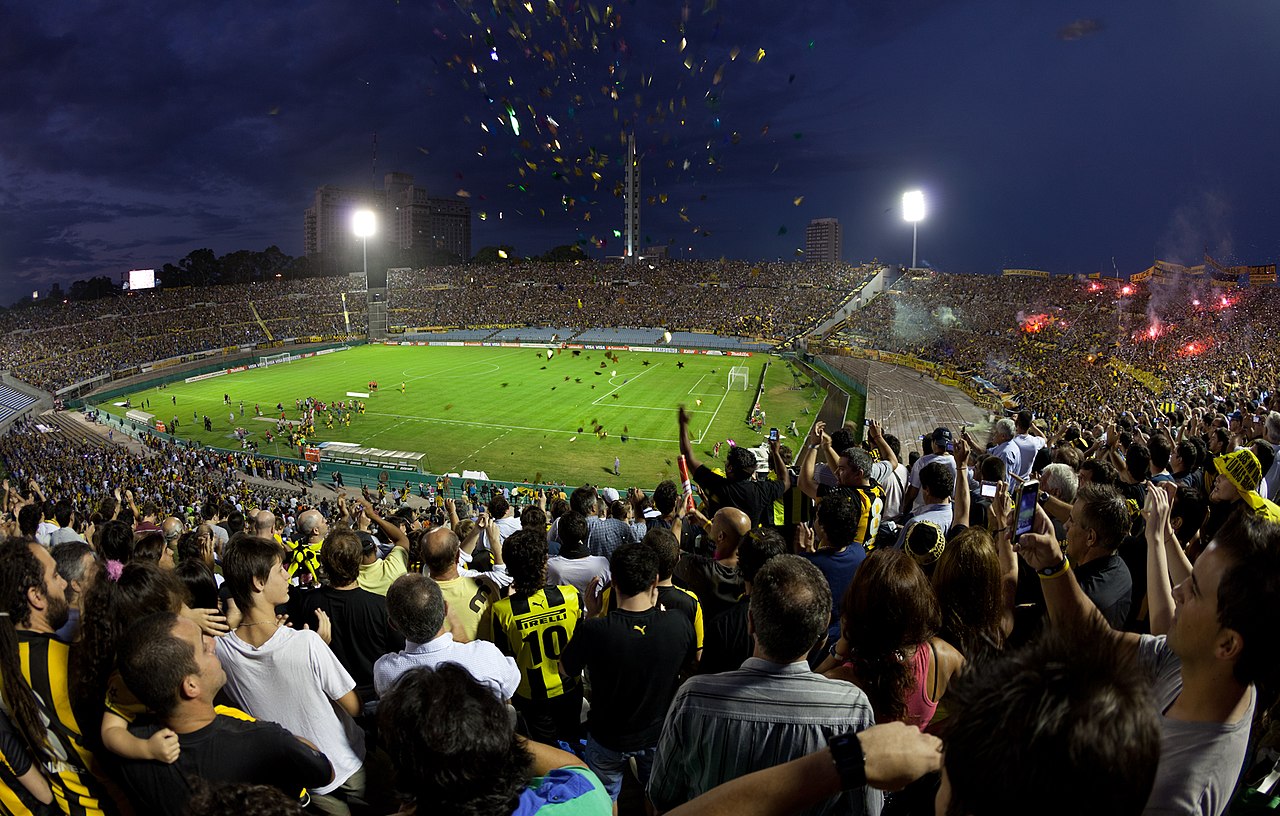
The Copa Libertadores, formally known as CONMEBOL Libertadores, is the top club football competition in South America. It brings together leading club sides from the continent to contest a yearly championship run by the governing body Confederación Sudamericana de Fútbol (CONMEBOL). Participation is widely regarded as the highest prize for South American clubs and carries qualification benefits for intercontinental events.
Image gallery
8 Images





Format and qualification
Clubs qualify primarily according to domestic performance. Each CONMEBOL member association is allocated spots, and national league or cup results determine which teams enter. Typical routes into the competition include:
- Champions and high-placed finishers from national leagues.
- Winners of domestic cup competitions where applicable.
- The previous season’s Libertadores champion, who earns an automatic place to defend the title.
The tournament has evolved over time to include group stages followed by knockout rounds; formats and the number of entrants have changed as the competition expanded.
History and development
Conceived in the mid-20th century, the Libertadores was created to determine the continental club champion and to foster cross-border competition among South American clubs. Over decades it has grown in profile, adapting its match formats, calendar position, and commercial arrangements. Clubs from outside CONMEBOL have been invited at times, and various reforms have sought to balance competitive fairness with calendar demands.
Importance and notable facts
The Copa Libertadores is often compared to other continental club tournaments for its intensity, passionate fanbases, and influence on domestic football. Notable aspects include:
- The winner typically gains entry to global club events and enjoys significant prestige on the continent.
- Matches can range from high-scoring group fixtures to highly tactical knockout ties, and recent editions have sometimes used a single-match neutral final rather than a two-legged decider.
- Qualification and seeding rules are periodically updated by CONMEBOL and national federations.
For an introduction to the competition and how clubs qualify through their domestic campaigns, see national league regulations and the official competition documents: national tournaments guidelines. General references and historical overviews are available via regional football archives and official CONMEBOL releases.
Understanding the Libertadores means appreciating both its sporting role and its cultural significance across South America, where club rivalries and continental ambition combine to make it a centerpiece of the football calendar.
Questions and answers
Q: What is the CONMEBOL Libertadores?
A: The CONMEBOL Libertadores, also known as the Copa Libertadores, is a football competition between the best club teams in South America.
Q: How are teams qualified for the tournament?
A: Teams are qualified based on how well they did in their respective national tournaments.
Q: Does the winner of last year's tournament automatically qualify for this year's tournament?
A: Yes, the last year's winner has assured participation in this year's tournament.
Q: Who runs the CONMEBOL Libertadores?
A: The Confederación Sudamericana de Fútbol (CONMEBOL) runs and organizes the CONMEBOL Libertadores.
Q: Is there any other name for this competition?
A: Yes, it is also known as Copa Libertadores or Liberty Cup.
Related articles
Author
AlegsaOnline.com Copa Libertadores Leandro Alegsa
URL: https://en.alegsaonline.com/art/22929