
Copa América: South America's international football championship
Copa América is CONMEBOL's senior men's national team tournament, founded in 1916. It is the oldest continental international football competition and features South American nations plus invited teams.
The Copa América is the principal international football competition for senior men's national teams organized by CONMEBOL, the South American confederation. The competition—also known in English as the America Cup—was established in 1916 and is the oldest continental national-team tournament in world football. Over more than a century it has grown from a small regional contest into one of the sport's most watched and culturally significant events.
Image gallery
10 Images


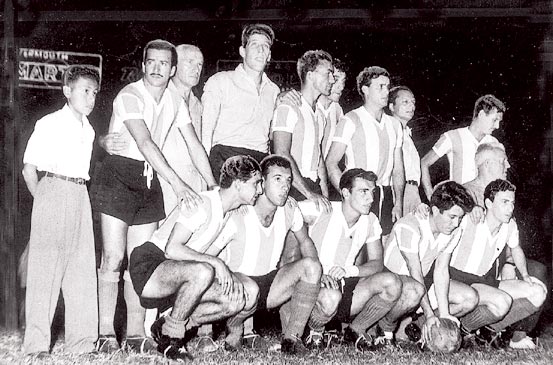


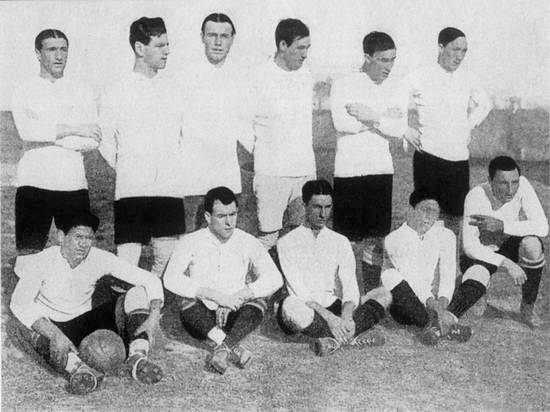

History and development
Conceived to celebrate the centenary of a founding nation and to foster international sporting ties across the continent, the Copa América began with a handful of teams and a simple league format. Throughout its history the tournament's schedule, size and match formats have changed frequently: early editions were irregular, later decades saw different cycles, and modern tournaments have used group stages followed by knockout rounds. The competition has also served as a stage for national identity, regional rivalry and the emergence of many of the game’s leading players.
Format and participants
CONMEBOL comprises ten national associations, and the tournament traditionally includes all ten of these South American teams. In recent decades organizers have often invited two additional national sides from other FIFA federations to expand the field and increase variety, creating a typical 12-team tournament. Formats have typically combined a group phase with subsequent quarterfinals, semifinals and a final, but exact details vary from edition to edition depending on the chosen schedule and host arrangements.
Significance, qualification and international links
The Copa América is a major international competition with wide regional and global interest. For many decades, the tournament winner gained a place in the now-defunct FIFA Confederations Cup when that competition was held, linking continental success to a wider international stage. Beyond trophies, performances in the Copa América affect player reputations, national coaching careers and sometimes the commercial fortunes of national federations.
Records, notable teams and achievements
Copa América success has been concentrated among a few traditional powers. Uruguay and Argentina are among the most decorated nations in the competition’s history, each having won the tournament many times. Matches between long-standing rivals often produce memorable moments that enter football lore. The event has also given first major international honours to players who later became global stars, and it remains an important target for national teams in South America.
Distinctive features and contemporary context
Unlike some continental tournaments that are strictly periodic, Copa América’s timing has been adjusted several times to accommodate club calendars, global competitions and regional considerations. Its openness to invitee nations is another distinctive trait: inviting teams from outside South America has created occasional cross-confederation matchups not seen in other continental championships. As an evolving competition, it continues to balance tradition with practical changes in format, hosting and global football scheduling.
For concise lists of past winners, historical statistics and official competition regulations, consult CONMEBOL publications and tournament archives maintained by national associations and sport historians. Additional context and current edition details are available from governing-body releases and specialized football reference sources.
Further reading: CONMEBOL and South American football structure, tournament archives and records, and summaries of individual editions and finals are useful starting points for deeper research.
Questions and answers
Q: What is the Copa América?
A: The Copa América is a tournament that has the teams from South America.
Q: When was the Copa América founded?
A: The Copa América was founded in 1916.
Q: What is the current format of the Copa América?
A: The current format has 10 South American teams and two other teams from other FIFA federations in each tournament.
Q: What happens to the winner of the Copa América?
A: The winner of the Copa América goes to the FIFA Confederations Cup.
Q: Which teams have been the most successful in the Copa América?
A: The most successful teams have been Uruguay and Argentina, with 15 titles.
Q: Who won the last Copa América tournament?
A: Argentina won the last Copa América tournament.
Q: How popular is the Copa América?
A: The Copa América is one of the most watched sporting events in the world.
Related articles
Author
AlegsaOnline.com Copa América: South America's international football championship Leandro Alegsa
URL: https://en.alegsaonline.com/art/22926
Sources
- bleacherreport.com : "50 Reasons Why World Football Is the Best and Biggest Sport in the World"
- mlssoccer.com : "Argentina 0, Chile 0 (4-2, PKs)"