
Women's association football: overview, history, and modern competitions
Team sport played by women under the laws of association football. Covers rules, history from early restrictions to the 1991 FIFA Women's World Cup, key leagues, major competitions, and ongoing challenges.
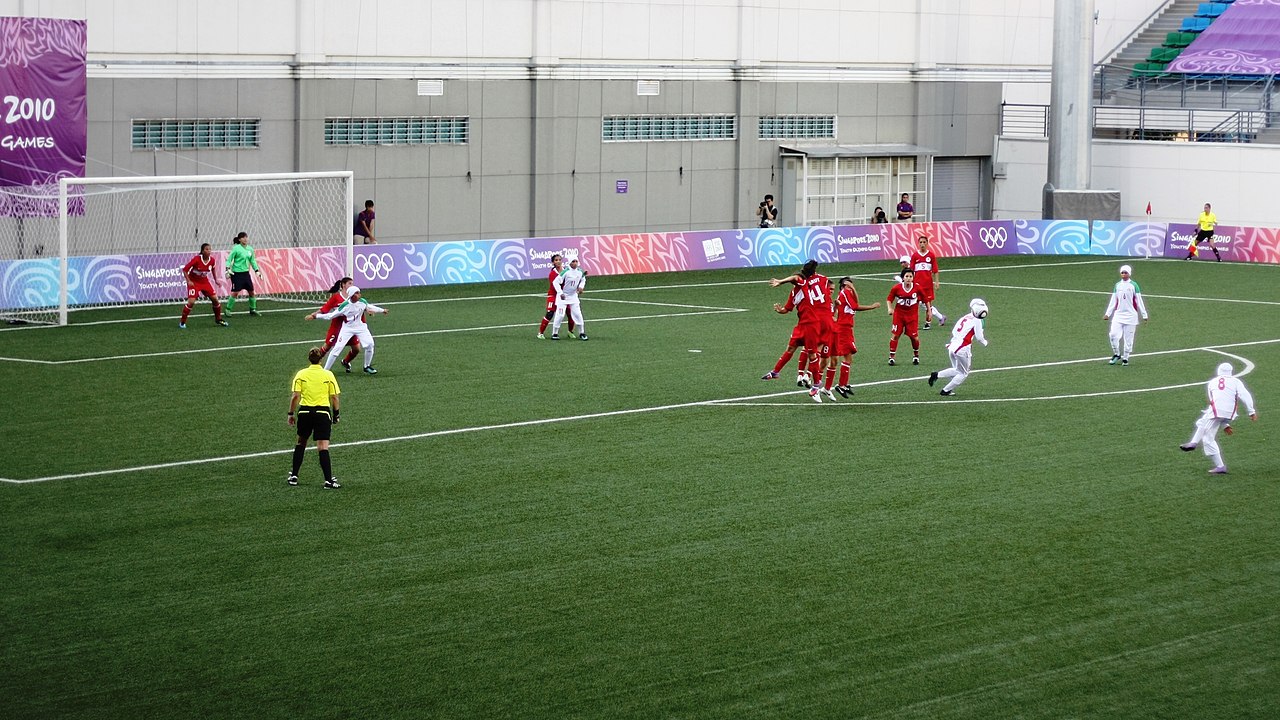
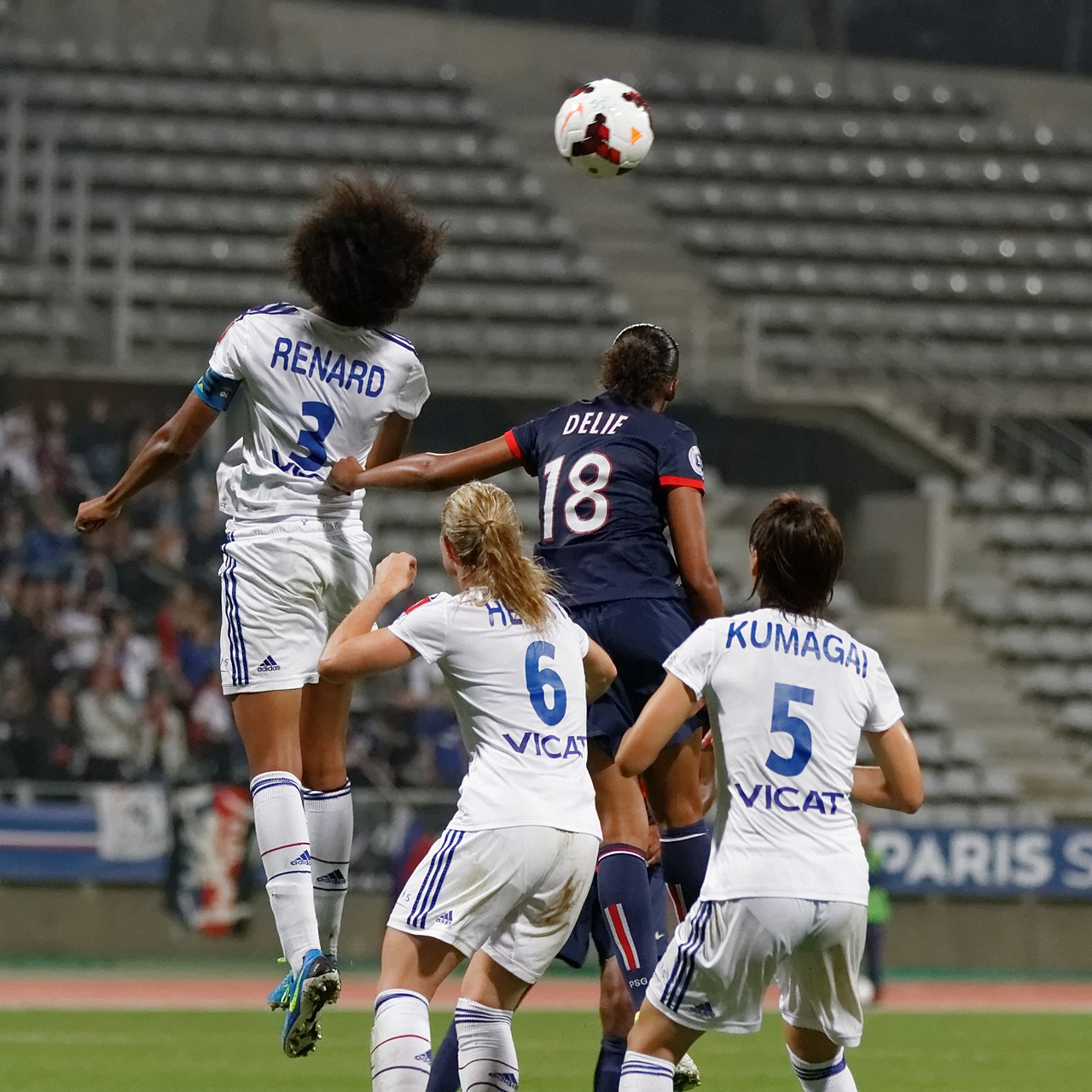
Women's association football—commonly called women's football or women's soccer—is the practice of association football played primarily by female athletes. It follows the same basic Laws of the Game as men's football: eleven players per side, a rectangular pitch, and two halves of play. The sport is governed internationally by the same institutions as men's football, and many countries now support professional and semi‑professional leagues.
Image gallery
10 Images






Characteristics and rules
The rules for women's matches mirror those of association football, with the same match duration, field dimensions and equipment standards. At youth levels or in local competitions there can be age‑specific or development‑focused modifications. Refereeing, tactics and training have evolved with advances in sports science, and elite women's teams regularly employ the same tactical systems seen in the men's game.
History and development
Organised women's matches date back to the late 19th and early 20th centuries, but the sport faced institutional obstacles—most notably bans and lack of support in some countries during the early 20th century. Modern international competition expanded late in the 20th century. A landmark event was the inaugural FIFA Women's World Cup held in 1991 in China, which helped accelerate investment and visibility. Women's football was later added to the Olympic programme, further raising its profile.
Major competitions and leagues
- Global tournaments: the FIFA Women's World Cup and the Olympic women's football tournament.
- Continental championships: regional competitions such as the UEFA Women's Championship and others across confederations.
- Domestic leagues and club competitions: professional leagues such as England's FA Women's Super League, the National Women's Soccer League in the United States, France's Division 1 Féminine, and continental club tournaments like the UEFA Women's Champions League.
National teams from many countries compete at senior and youth levels; the sport's international footprint now includes well over a hundred national sides. Growth in participation, attendance and broadcast reach has been notable over recent decades, with rising investment and sponsorship in many markets.
Despite progress, women's football faces ongoing challenges including resource disparities, media coverage gaps and pay inequalities compared with the men's game. Advocates point to increased professionalization, better youth development systems, and prominent role models as key drivers for further expansion. For background on participation and gender issues see resources addressing women in sport and development programmes.
As the sport continues to professionalize worldwide, attention focuses on sustainable league models, equitable support for players, and expanding access at grassroots levels. Major tournaments and domestic competitions remain central to raising the sport's visibility and inspiring the next generation of players.
Related articles
Author
AlegsaOnline.com Women's association football: overview, history, and modern competitions Leandro Alegsa
URL: https://en.alegsaonline.com/art/108870
Sources
- fifa.com : "The FIFA Women's World Ranking"
- fifa.com : "The FIFA World Ranking"