
Flotation: Separation of Solids from Liquids by Gas Bubbles
Flotation is a physico-chemical separation method that uses gas bubbles to lift particles from a liquid. It is widely used in mineral processing, wastewater treatment, and industrial separations.
Flotation is a technique in which gas bubbles are introduced into a liquid–solid mixture so that particles attach to the bubbles and are carried to the surface. The raised particles form a concentrated layer or froth that can be removed, leaving clarified liquid below. The basic concept is simple, but its practical application depends on particle surface chemistry, bubble size, and fluid dynamics. For general overviews see introductory resources and for process schematics consult technical descriptions.
Image gallery
9 Images




Principle and characteristics
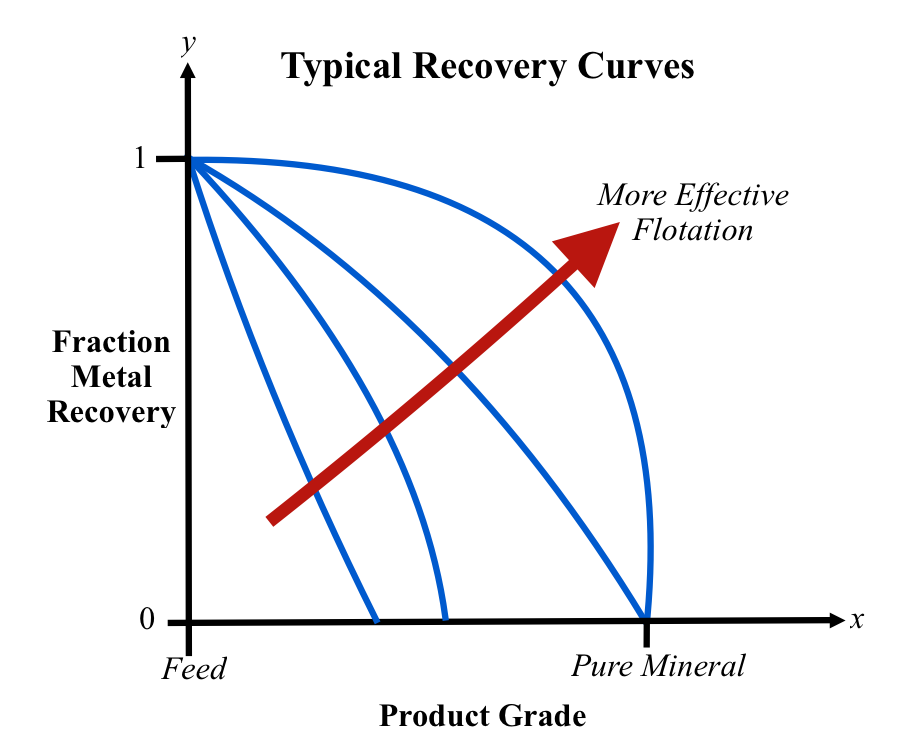
The method relies on differences in wettability: particles that are hydrophobic (repel water) preferentially adhere to rising gas bubbles. Bubble generation, contact time, and reagent dosing influence attachment efficiency. Key characteristics include bubble size distribution, pulp aeration rate, and froth stability. These parameters control recovery (how much of the target material is removed) and grade (concentration of target material in the froth).
Equipment and process steps
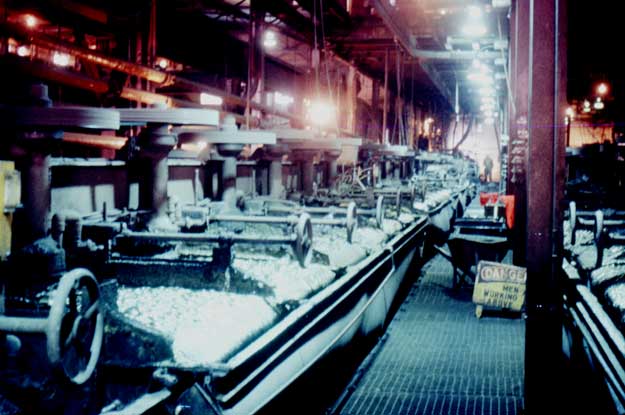
Typical flotation equipment includes mechanically or pneumatically agitated tanks, columns, and flotation cells. A simplified sequence is:
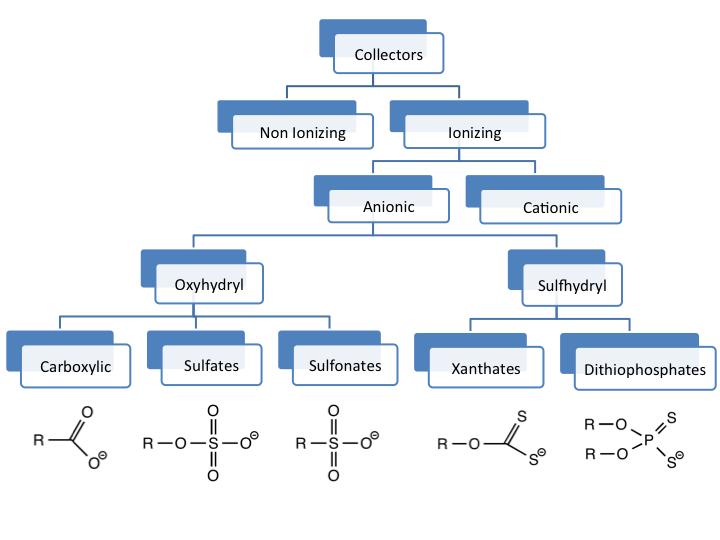
- Add reagents (collectors, frothers, modifiers).
- Introduce gas bubbles from the bottom of the tank.
- Allow collisions and attachment between bubbles and particles.
- Form and remove froth at the surface.
Designs and cell geometries vary; see engineering examples at cell designs and operational controls at process control.
History and development
Modern flotation evolved in the late 19th and early 20th centuries with the introduction of chemical collectors and improved cell designs. Over time it expanded from ore concentration to diverse uses through developments in surface chemistry and aeration technology.
Applications and importance
Flotation is essential in mineral processing to concentrate ores such as sulfides and oxides, and it is used in wastewater treatment to remove oils, greases, and suspended solids. Other applications include recycling, paper and pulp processing, and certain biochemical separations. Practical examples and case studies are available via application notes.
Variations and notable distinctions
Variants include dissolved air flotation (DAF), induced air flotation, and column flotation. DAF introduces microbubbles by dissolving air under pressure and releasing it on depressurization, which is particularly effective for fine particles. Each variant balances recovery, throughput, and energy use differently; comparative summaries can be found at comparative guides.
Related articles
Author
AlegsaOnline.com Flotation: Separation of Solids from Liquids by Gas Bubbles Leandro Alegsa
URL: https://en.alegsaonline.com/art/35231