
Soviet Five-Year Plans: Centralized Economic Planning and Industrialization
Overview of the Soviet five-year plans: state-run multiyear programs that directed industrialization, collectivization and infrastructure development, their achievements, human costs, and long-term economic impact
The five-year plans for the development of the national economy were a series of centrally directed economic programs carried out across the Soviet Union from the late 1920s onward. Designed and administered by the state, these plans set quantitative production targets for industry, agriculture, transport and other sectors with the aim of accelerating industrialization and reshaping the economy on a socialist basis.
Image gallery
9 Images


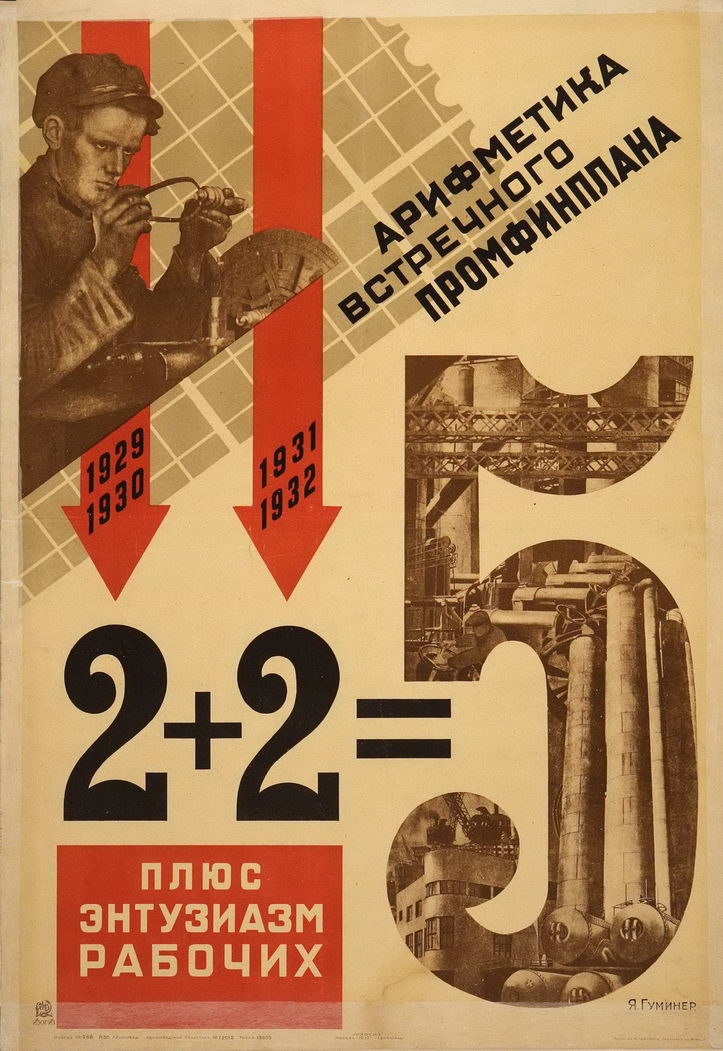
Purpose and organization
Following the end of the New Economic Policy, Soviet leaders introduced multi‑year planning to replace market mechanisms with centralized allocation of resources. The State Planning Committee, commonly known as Gosplan, compiled targets, coordinated input requirements and distributed investment priorities. Plans specified outputs, investment levels and staffing needs, and ministries and enterprises were expected to meet the assigned quotas.
Key priorities
- Rapid expansion of heavy industry (steel, coal, machinery, and energy).
- Collectivization of agriculture to increase state control over food supplies and free up labor for industry.
- Development of transport and infrastructure to support industrial growth.
- Military production and strategic industries, especially during periods of international tension.
Implementation and effects
In practice, the plans produced marked growth in industrial capacity and urban employment, transforming the Soviet economy from largely agrarian to a major industrial power within a few decades. The drive to hit numerical targets fostered large-scale construction projects, factory building, and the electrification of many regions.
However, the methods used to meet targets also caused serious problems. Collectivization and rapid restructuring of agriculture led to widespread disruption in food production and contributed to famines in the early 1930s in several regions. The emphasis on gross output and on fulfilling quotas encouraged overreporting, poor-quality goods, and inefficient use of materials. Forced labor from the Gulag system played a role in some projects. In peacetime, shortages of consumer goods and uneven living standards were persistent issues.
Adaptations and later history
Although called "five‑year" plans, some cycles were interrupted, shortened or extended because of war, reconstruction needs after World War II, or policy shifts. After World War II the planning system focused on reconstruction and later on maintaining a large industrial base. From the 1960s onward, planners faced mounting difficulties: technological gaps with advanced Western economies, rigidity in decision making, and an inability to stimulate productivity in services and consumer industries.
Legacy
Five‑year planning left a complex legacy. It succeeded in creating a heavy industrial backbone and achieving rapid industrial growth in the first decades, but it also produced social costs, inefficiencies and persistent shortages. The centrally driven planning model remained a defining feature of the Soviet economic system until the final years of the USSR, when political and economic reforms sought to change or replace it.
Related articles
Author
AlegsaOnline.com Soviet Five-Year Plans: Centralized Economic Planning and Industrialization Leandro Alegsa
URL: https://en.alegsaonline.com/art/34698