
Foreign reserves (foreign exchange reserves)
Foreign reserves are liquid assets held by a country’s monetary authorities—typically a central bank—to support the national currency, meet external obligations, and conduct exchange-rate operations.
Overview
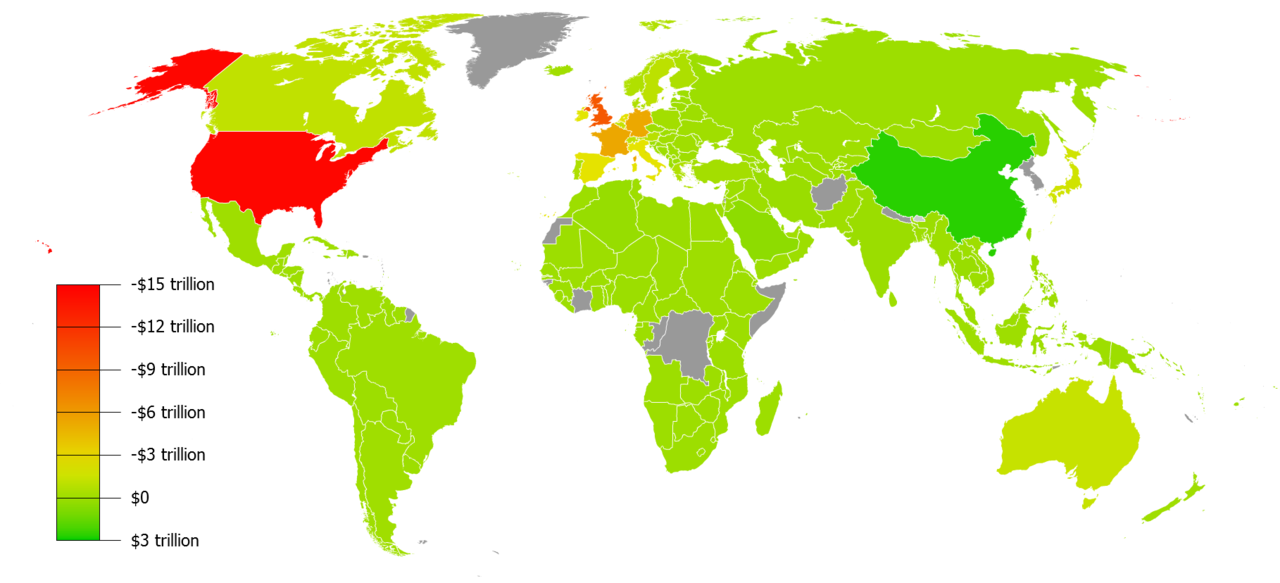
Foreign reserves, often called foreign exchange reserves, are holdings of foreign-denominated assets kept by a nation’s monetary authority. These reserves are maintained primarily by a central bank or treasury to provide a buffer against balance-of-payments shocks, to support the domestic currency, and to ensure a country can meet external payment obligations.
Image gallery
2 Images
Composition and characteristics
Reserves typically consist of a mix of liquid instruments. Common elements are foreign bank deposits and government bonds denominated in other countries’ currency, holdings of precious metals, and special instruments like International Monetary Fund claims. Reserves are recorded as assets on the central bank’s balance sheet and are chosen for liquidity, safety, and return.
History and development
Historically, monetary systems relied on gold and silver as stores of value; central governments used these metals to settle international claims. Over the 20th century the system evolved—first with gold-backed arrangements and then toward the modern use of widely accepted fiat currencies. Since the end of the Bretton Woods dollar–gold link, foreign currency balances have become the predominant form of reserves, though physical gold and, in some cases, silver remain part of official holdings.
Uses and policy roles
- Exchange-rate management: authorities may buy or sell reserves to influence the exchange rate and smooth volatility.
- Liquidity for imports and external debt service, ensuring short-term obligations can be met.
- Confidence and creditworthiness: adequate reserves reassure markets and rating agencies.
- Strategic diversification: reserves help reduce reliance on any single foreign currency or market.
Management, costs and risks
Reserve management balances safety, liquidity and yield. Large holdings can generate opportunity costs—funds that could otherwise be used domestically—and are exposed to valuation losses if currencies or asset prices move unfavorably. Reserves are also subject to political and operational risks, and excessive accumulation can contribute to global imbalances.
Notable points
Central banks publish reserve levels periodically and often explain their policy approach to composition and target ranges. The mix of reserve assets varies across countries according to trade patterns, exchange-rate regimes and historical ties to particular currencies. Well-managed reserves are a routine part of modern macroeconomic policy and a key tool for preserving financial stability.
Related articles
Author
AlegsaOnline.com Foreign reserves (foreign exchange reserves) Leandro Alegsa
URL: https://en.alegsaonline.com/art/35617