
Political science: study of power, institutions, and public policy
Political science examines governments, political behavior, institutions and policy using theoretical and empirical tools to explain how power, decisions and public outcomes are produced.
Political science is a scholarly field within social science that develops theories, describes institutions, analyzes behavior and seeks to predict political outcomes. It combines normative questions about values with empirical investigation and systematic analysis of public life. Scholars focus on individual and collective political behavior, competition and cooperation among actors, and the formal as well as informal rules that shape politics.
Image gallery
8 Images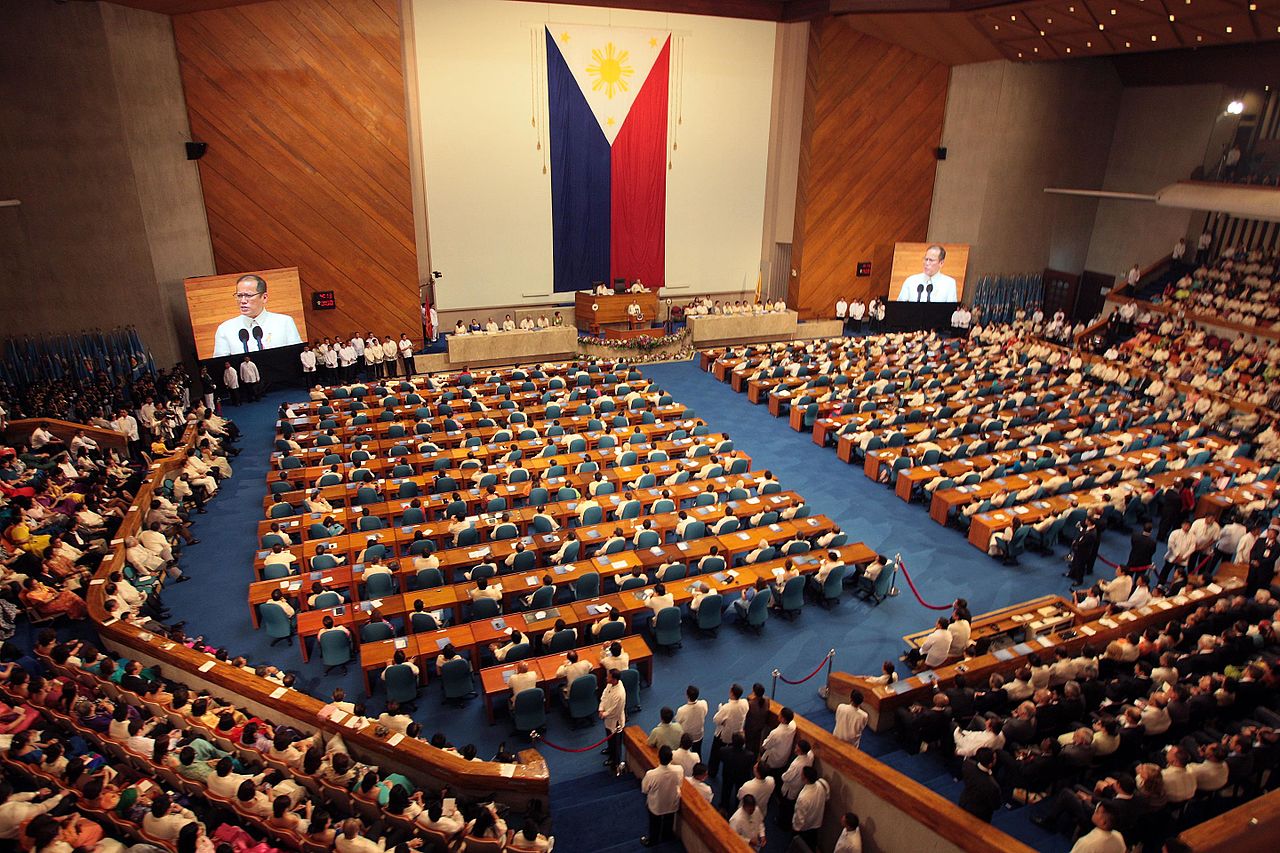

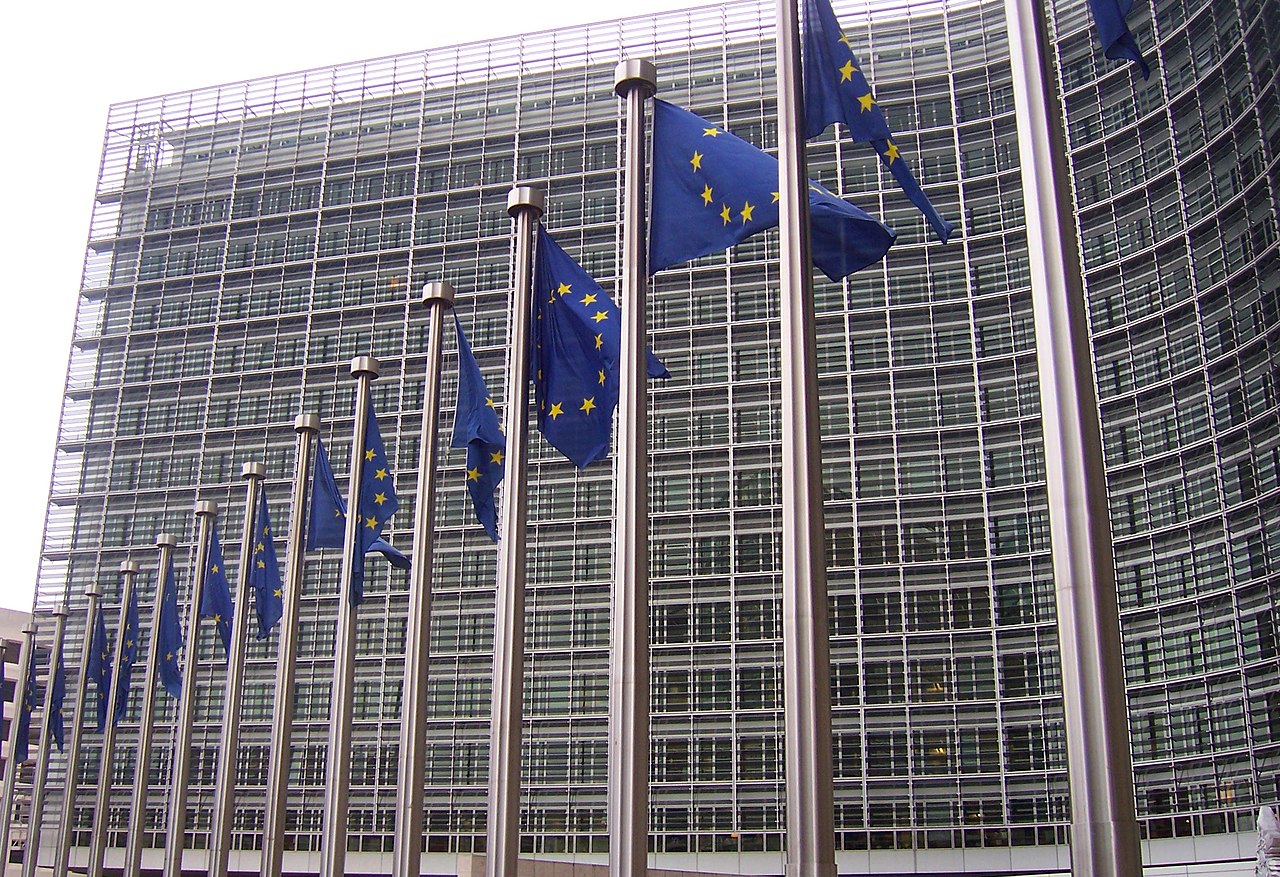


Main concerns and parts of the field
At its core, political science asks how power is distributed and exercised, how choices are made, and what consequences follow. Researchers study the allocation and transfer of power in decision-making, the structures and functions of governance, and the organization of states and other public authorities, including the roles of governments and international organizations. Subfields often recognized within the discipline include comparative politics, international relations, political theory, public administration, and public policy.
Methods and measurement
Political scientists employ qualitative and quantitative methods: case studies, historical and institutional analysis, surveys, statistical modeling, experiments and formal theory. They measure the performance and impacts of policy by examining multiple indicators, including stability, rule of law and justice, economic or material wealth, and the presence or absence of peace. Methodological pluralism is common—different questions require different tools.
Applications and significance
Research in political science informs public debate, aids policy design, evaluates institutions, and contributes to civic education. Governments, non‑profits, international agencies and private organizations draw on political science to understand voting behavior, design regulatory frameworks, negotiate treaties, or assess how policies affect inequality and public welfare.
Distinctive features and notable facts
- Interdisciplinarity: the field overlaps with economics, sociology, history, law and anthropology.
- Normative and empirical balance: it bridges questions about what institutions ought to be and what they are in practice.
- Practical orientation: findings often have direct implications for governance, reform, and civic engagement.
For further reading on foundational methods, subfields and current debates, consult introductory and specialized texts as well as research articles and institutional reports available through academic and policy outlets (see social science resources, see methodology guides, see behavior studies, see politics overviews, see decision-making literature, see governance resources, see government studies, see international institutions, see justice theory, see political economy, see peace and conflict research).
Related articles
Author
AlegsaOnline.com Political science: study of power, institutions, and public policy Leandro Alegsa
URL: https://en.alegsaonline.com/art/77772
Sources
- apsanet.org : The Evolution of Political Science