
Fixed exchange rate system
A monetary regime in which a government or central bank pegs its currency to another currency, a basket of currencies, or a commodity and maintains that rate with interventions.
Overview
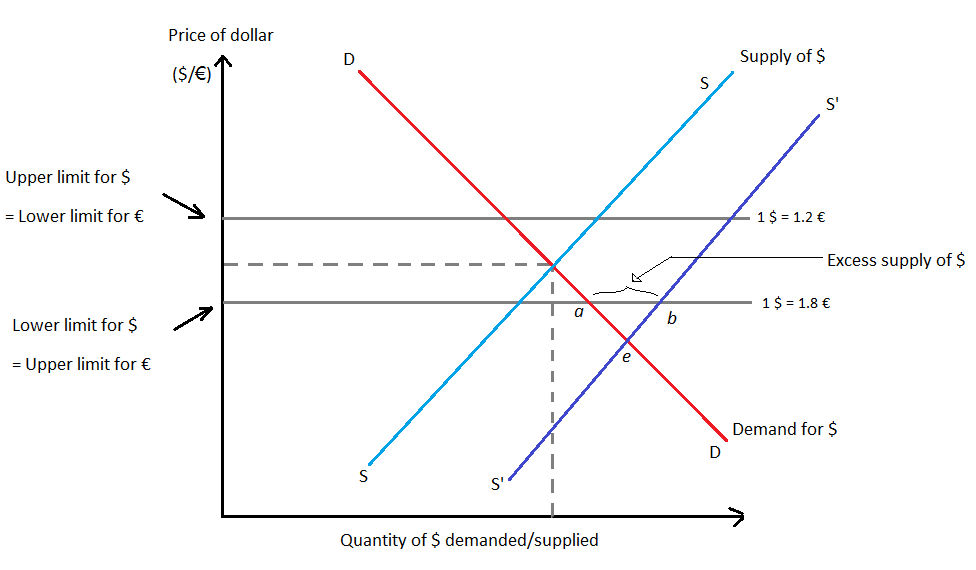
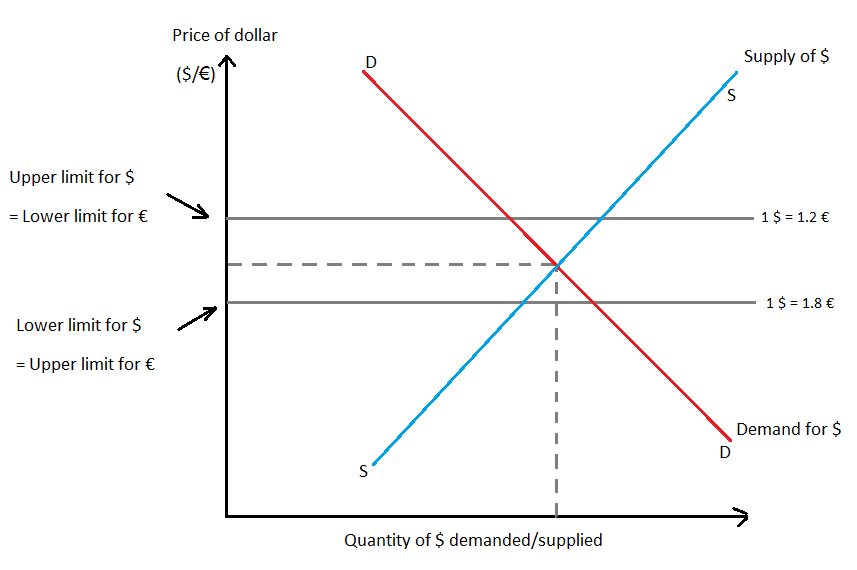
A fixed exchange rate system is a monetary arrangement in which a government or its central bank commits to keep the national currency's value at a predetermined level relative to another currency, a group of currencies, or a commodity such as gold. Under this regime the monetary authority intervenes in foreign exchange markets and uses its reserves, interest rate policy, or administrative controls to maintain the announced rate.
Image gallery
3 Images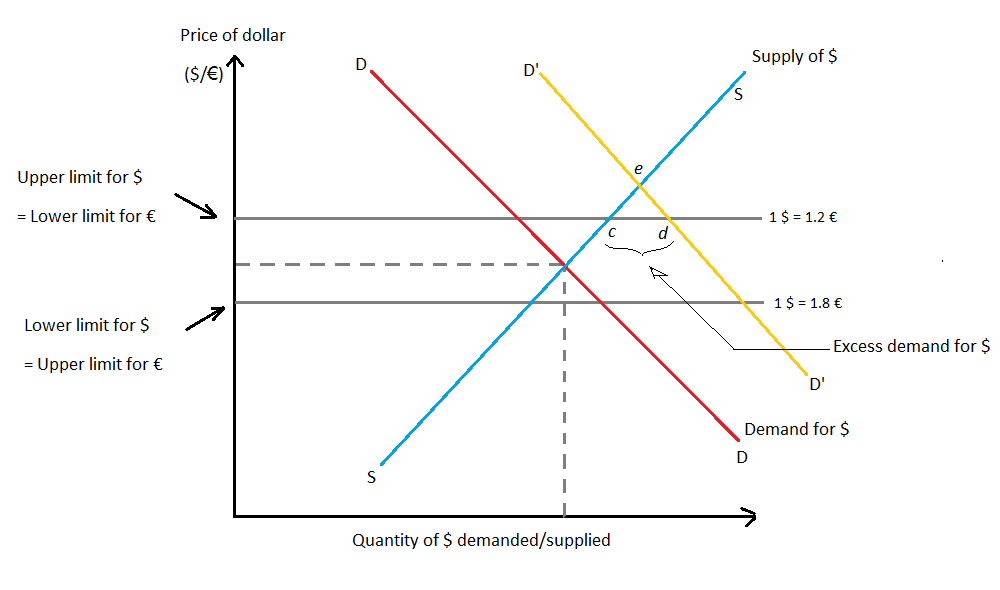
How it works
The central bank stands ready to buy and sell its currency at the declared rate. If demand for the domestic currency falls, the bank sells foreign reserves and purchases domestic currency to support its price; if demand rises, it issues more domestic currency or buys foreign currency. Maintaining the peg often requires active balance-sheet management and coordination with fiscal policy to avoid pressures that could deplete reserves.
Common forms and mechanisms
- Currency peg: a single foreign currency is chosen as the reference, for example a peg to the U.S. dollar or euro.
- Basket peg: the currency is tied to a weighted mix of several currencies to reduce fluctuations tied to any one partner.
- Currency board: a strict arrangement in which the domestic money supply is fully backed by foreign reserves at the fixed rate and the central bank has limited discretionary policy.
- Commodity peg: the value is defined in terms of a commodity such as gold; historical examples include gold standards.
Advantages and disadvantages
- Advantages: can reduce exchange-rate volatility, anchor inflation expectations, and foster trade and investment by providing predictable pricing.
- Disadvantages: limits monetary policy autonomy, exposes the economy to external shocks, and can be unsustainable if reserves are insufficient to defend the rate.
History, examples and notable facts
Fixed-rate regimes have been used in many periods: classical gold standards in the 19th and early 20th centuries, the Bretton Woods system in the mid-20th century, and modern currency pegs in developing and small open economies. Some countries operate de facto pegs by managing their exchange rate tightly against a major partner; others adopt formal currency boards. Well-known policy choices often trade off exchange-rate stability for limits on independent monetary responses to domestic cycles.
Further reading and resources
For a general introduction to exchange-rate arrangements see related material on exchange rates. For historical context about commodity-based systems consult materials linked at commodity and gold standard resources.
Related articles
Author
AlegsaOnline.com Fixed exchange rate system Leandro Alegsa
URL: https://en.alegsaonline.com/art/34702