
Firoza Begum — Bangladeshi Nazrul Geeti Singer (1930–2014)
Firoza Begum (1930–2014) was a celebrated Bangladeshi vocalist renowned for Nazrul Geeti. She helped popularize the songs of Kazi Nazrul Islam and received Bangladesh's Independence Day Award in 1979.
Overview
Firoza Begum was a prominent Bangladeshi singer (28 July 1930 – 9 September 2014) best known for her interpretations of Nazrul Geeti — the body of songs by the poet and composer Kazi Nazrul Islam. Over several decades she became widely regarded as an icon across the Indian subcontinent, bringing a classical-influenced touch to modern Bengali song and making Nazrul's repertoire accessible to new audiences.
Image gallery
1 Image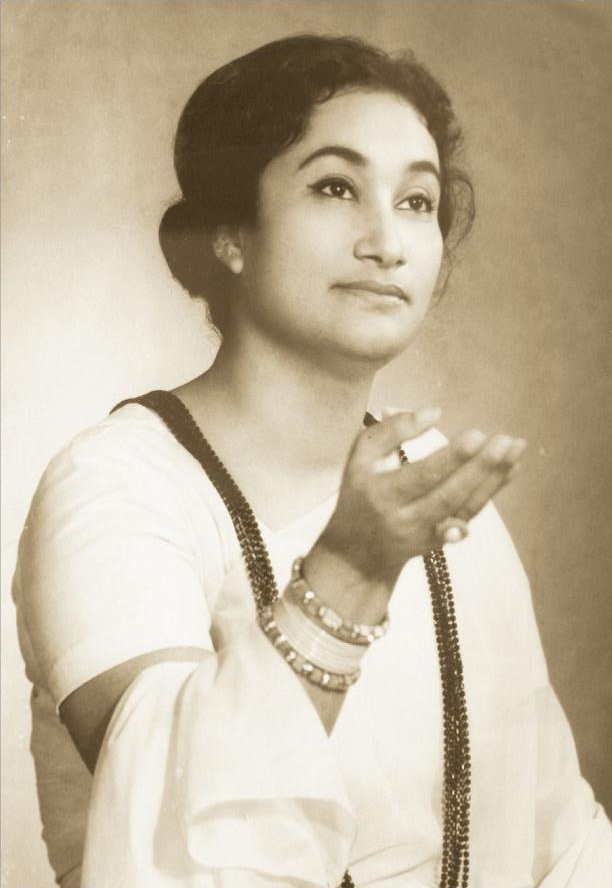
Early life and training
Begum was born in what is now the Faridpur District, then part of British India. From an early age she was drawn to music and developed a technique that blended elements of classical training with a lyrical, expressive vocal approach. Her work focused on clear enunciation of poetic texts and careful attention to melodic nuance, characteristics that defined many of her recordings and live performances.
Career and musical style
Across a long career Begum recorded extensively, performed on radio and in concert, and became closely associated with the songs of Nazrul. Her style emphasized warm tone, controlled ornamentation and a devotional intensity that suited both intimate recital settings and larger stages. She also sang popular and light-classical pieces, helping create a bridge between traditional song forms and mid-20th-century audiences hungry for modern expression.
Recognition and legacy
Firoza Begum received major honors in Bangladesh and elsewhere in recognition of her contribution to music. Notably she was awarded the country's prestigious Independence Day Award in 1979 and later received the Sheltech Award in 2000. Her recordings remain reference points for students of Nazrul Geeti and Bengali vocal music, and her interpretive choices continue to influence performers.
Personal life
Begum's personal life included a long marriage to the noted music director Kamal Das Gupta. The couple had three sons, one of whom became active in music. She took part in cultural life beyond performance, and her name is often mentioned when discussing the development of modern Bengali song in the 20th century.
Death and notable facts
Firoza Begum died in Dhaka on 9 September 2014 at the age of 84. Reports at the time described complications from heart and kidney failure, and she was also reported to have suffered from jaundice. Her passing prompted tributes from cultural institutions and performers who recalled her role in popularizing Nazrul's songs. She is remembered both for the warmth of her voice and for the clarity with which she delivered poetic texts.
Selected aspects
- Primary genre: Nazrul Geeti and Bengali art song (ghazal, light classical).
- Honors: Independence Day Award (1979), Sheltech Award (2000).
- Origins: Born in Faridpur District, then part of British India.
- Family: Married to Kamal Das Gupta; survived by children including a son active in contemporary music.
For listeners new to her work, recordings of Nazrul Geeti by Firoza Begum provide a clear example of mid-20th-century Bengali vocal art, marrying traditional melodic sensibilities with a modern performance sensibility that helped sustain these songs for later generations. Additional resources and collections of her recordings can provide further insight into her technique and repertoire (vocal archives and catalogs).
Related articles
Author
AlegsaOnline.com Firoza Begum — Bangladeshi Nazrul Geeti Singer (1930–2014) Leandro Alegsa
URL: https://en.alegsaonline.com/art/34506
Sources
- bdnews24.com : "Firoza Begum passes away"