
Flannery O'Connor (1925–1964)
American novelist and short-story writer known for Southern Gothic fiction, dark humor, vivid grotesque characters, and strong Catholic themes. Author of Wise Blood and A Good Man Is Hard to Find.
Overview
Mary Flannery O'Connor (March 25, 1925 – August 3, 1964) was an American novelist and short-story writer celebrated for her sharp prose, moral intensity, and distinctive use of the Southern Gothic mode. Her work often pairs violent or absurd events with spiritual concerns, reflecting a Roman Catholic sensibility that shaped her view of grace, sin, and redemption. For biographical summaries and archival material see biographical sources.
Image gallery
4 Images

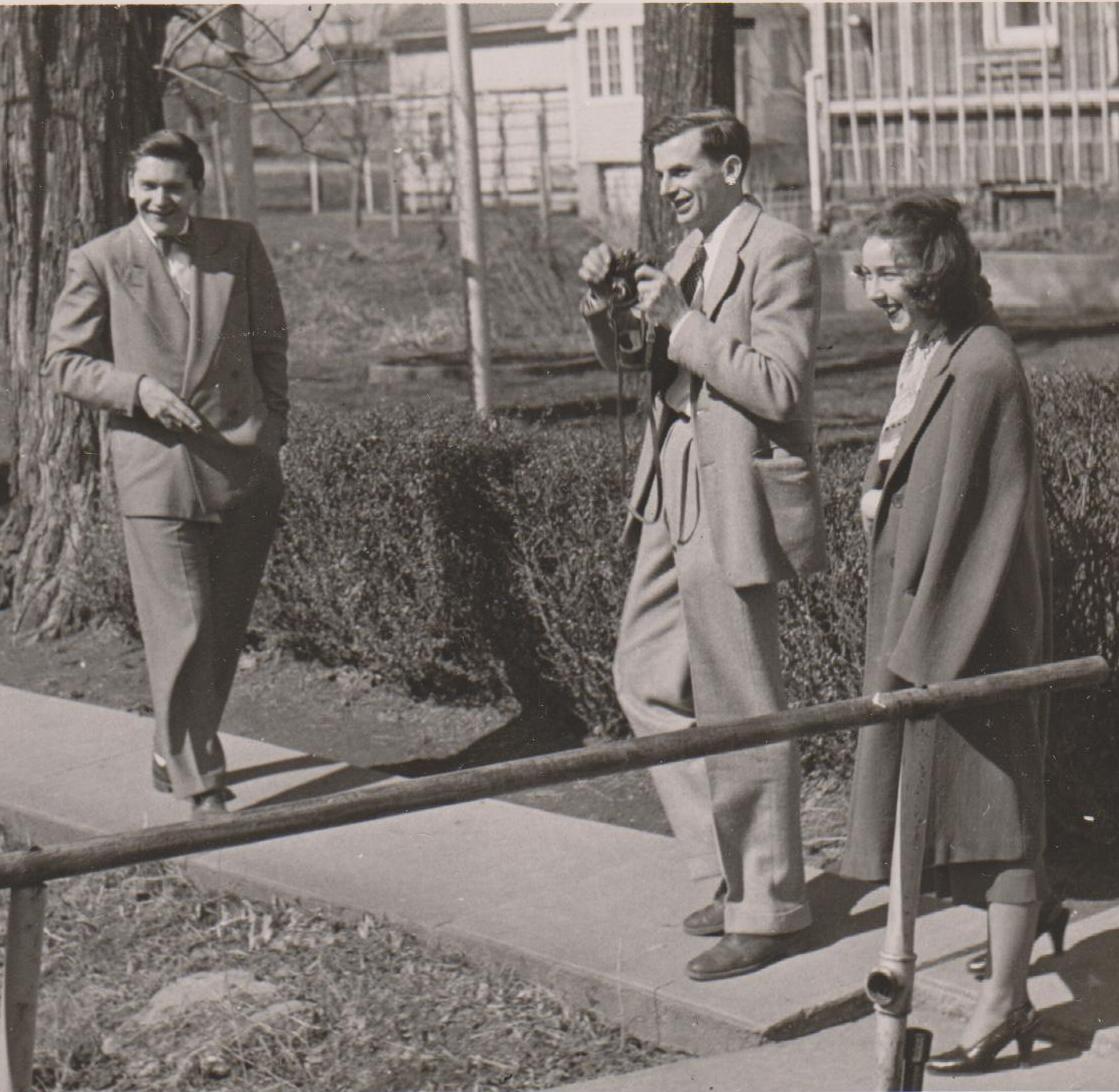

Style and themes
O'Connor's fiction is marked by concise, controlled language and images that linger. Critics note her frequent use of grotesque characters, ironic humor, and sudden moments of revelation or violence. Religious questions—especially those tied to Catholic doctrine about sin and grace—are woven into narratives where ordinary people confront extreme situations. Her work is commonly discussed within the tradition called Southern Gothic, which uses regional settings to explore moral decay, social change, and human perversity.
- Language: economical, image-driven, often ironic.
- Characters: eccentric, sometimes physically or morally distorted.
- Themes: faith, redemption, violence, identity, community.
Major works
O'Connor published two novels and two short-story collections during her life, with additional material released posthumously. Her stories and novels remain widely read and taught for their craft and moral depth. A short list of notable books:
- Wise Blood (novel, 1952) — a darkly comic tale of a young man rejecting organized religion.
- A Good Man Is Hard to Find (short-story collection, 1955) — contains the famous title story about family, violence, and grace.
- The Violent Bear It Away (novel, 1960) — explores prophetic calling and religious duty.
- Everything That Rises Must Converge (posthumous collection, 1965) — later stories that continued her thematic concerns.
Complete editions and critical collections are available; for collections and publication histories consult collected works.
Life and legacy
Born and raised in the American South, O'Connor studied at the Iowa Writers' Workshop and returned to live on her family's farm in Georgia after she was diagnosed with a chronic illness. Despite a relatively small output and an early death at thirty-nine, she exerted a lasting influence on American fiction. Her stories are staples of literature courses, frequently anthologized and adapted in various forms, and continue to provoke discussion about the intersections of faith, aesthetics, and moral vision.
Notable points about her reception include her role in shaping mid-20th-century Southern literature, the persistent scholarly interest in religious readings of her work, and occasional stage and film adaptations—among them a screen version of Wise Blood—testifying to the continuing cultural resonance of her narratives.
Related articles
Author
AlegsaOnline.com Flannery O'Connor (1925–1964) Leandro Alegsa
URL: https://en.alegsaonline.com/art/35005