
Dhaka — Capital of Bangladesh
Dhaka is the political, economic, and cultural centre of Bangladesh. This article summarizes its geography, history, institutions, economy, transport and urban challenges in a concise, neutral overview.
Overview
Dhaka is the principal city and national capital of Bangladesh. Located in the south-central part of the country near the Buriganga River, it is the largest urban centre in Bangladesh and one of the major metropolises of South Asia. Over recent decades Dhaka has undergone rapid population growth and urban expansion, transforming from a regional hub into a dense megacity with major influence on the nation’s politics, commerce and culture.
Image gallery
10 Images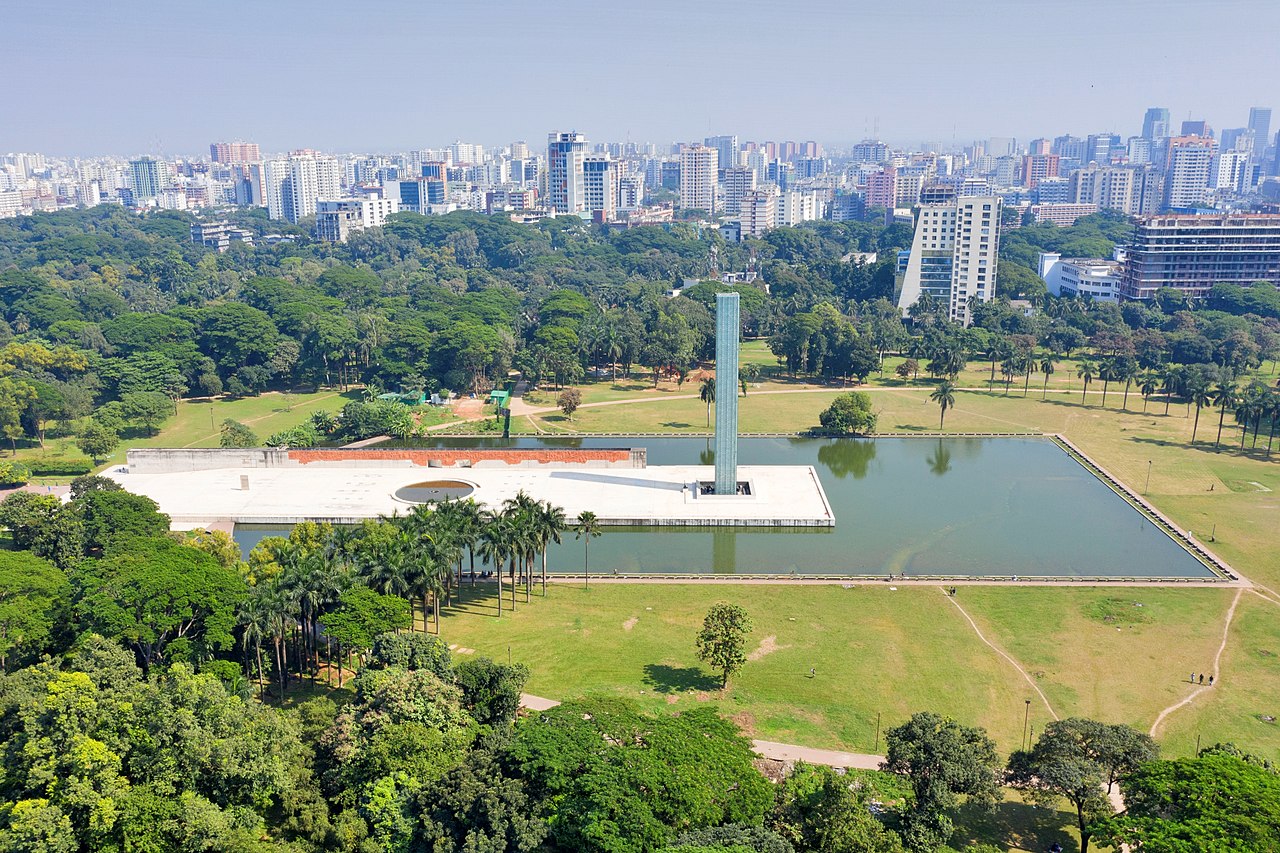


Geography and urban structure
The city lies on a network of rivers and floodplains that shape its landscape and infrastructure. The historic core, often called Old Dhaka, sits close to the Buriganga and contains narrow streets and many heritage buildings. Around the core are diverse districts such as commercial Motijheel, residential Dhanmondi and affluent Gulshan, plus growing suburbs in the Greater Dhaka area. Dhaka’s urban fabric blends colonial-era architecture, Mughal monuments, modern high-rises and informal settlements.
History and political importance
Dhaka’s history includes periods as a provincial and imperial centre. Under the Mughal period it rose in importance and served as a significant administrative city within the Mughal Empire and the wider region historically referred to as Hindustan. Later it was part of the British Raj and, after the 1947 Partition of India, became the chief city of East Pakistan in the state of Pakistan. Following the independence of Bangladesh in 1971, Dhaka was established as the national capital and the seat of government. Important state buildings include the Bangabhaban, the official presidential residence, and the National Parliament complex.
Economy, institutions and services
Dhaka is Bangladesh’s economic engine. The city hosts major financial institutions such as the central bank and national bourses, and it is a base for multinational companies and service industries. The Dhaka Stock Exchange is one of the leading stock exchanges in the region. Key public and private institutions—ministries, regulators and corporate headquarters—concentrate in the city, making it the primary node of national decision-making and commerce.
Culture, education and notable sites
As the cultural heart of Bangladesh, Dhaka supports a wide range of educational and cultural institutions. The city has dozens of universities and colleges; among older institutions is Dhaka College, founded in the 19th century. Cultural life includes museums, theatres, literary gatherings and annual events such as Pohela Boishakh (Bengali New Year). Notable historic and civic sites include:
- Ahsan Manzil and Lalbagh Fort — Mughal and colonial-era landmarks
- The National Parliament Building — a modern architectural landmark
- Shahid Minar and other memorials associated with national history
Links to official references and tourist information can be found through resources that profile the city’s institutions and heritage. For general government information see capital city pages and national portals; for financial and economic data consult sites referencing Bangladesh institutions.
Transport, urban challenges and development
Dhaka’s transport mix includes buses, auto-rickshaws, bicycle rickshaws and private vehicles; in recent years the city has begun developing mass transit projects, including elevated metro lines and bus rapid transit corridors, to ease congestion. Rapid growth has created serious urban challenges: pressure on housing and public services, vulnerability to flooding, air and water pollution, and traffic congestion. City authorities and national planners continue to pursue infrastructure investments and policy measures to improve waste management, public transport, and flood resilience.
Contemporary significance
Today Dhaka remains central to Bangladesh’s national identity and economic future. It concentrates political institutions, major commercial activities, higher education and cultural production. While the city faces well-known environmental and planning problems, its role as a hub for industry, trade and culture makes it a focal point for national development and regional connections across South Asia.
Further online guides and official resources may be consulted for up-to-date statistics, governance details, and travel guidance; some entries use external summaries and official pages as primary references accessible via national portals and financial listings.
Related articles
Author
AlegsaOnline.com Dhaka — Capital of Bangladesh Leandro Alegsa
URL: https://en.alegsaonline.com/art/27028
Sources
- news.bbc.co.uk : "Dhaka-Calcutta bus service deal"