
Filter feeder: organisms that capture suspended food from water
Filter feeders are animals that obtain food by straining suspended particles from water. Found across many groups, they shape ecosystems, aid water clarity, and evolved multiple times.
Overview
Filter feeders obtain nutrition by removing small food particles—detritus, plankton and other suspended matter—from water. They feed on matter via specialized anatomical or behavioral adaptations and on particles suspended in flowing or standing water. Examples include benthic bivalves, pelagic crustaceans and some vertebrates. Species commonly cited as filter feeders include clams, krill, sponges, baleen whales, and many fishes such as sharks. Some birds, for instance flamingos, also feed by filtering.
Image gallery
10 Images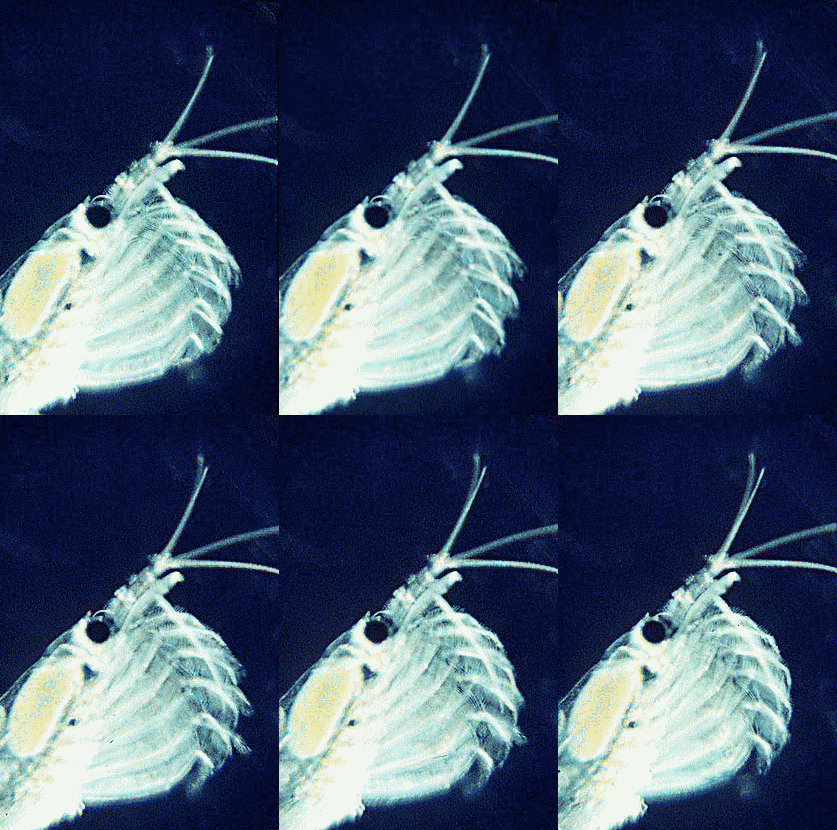



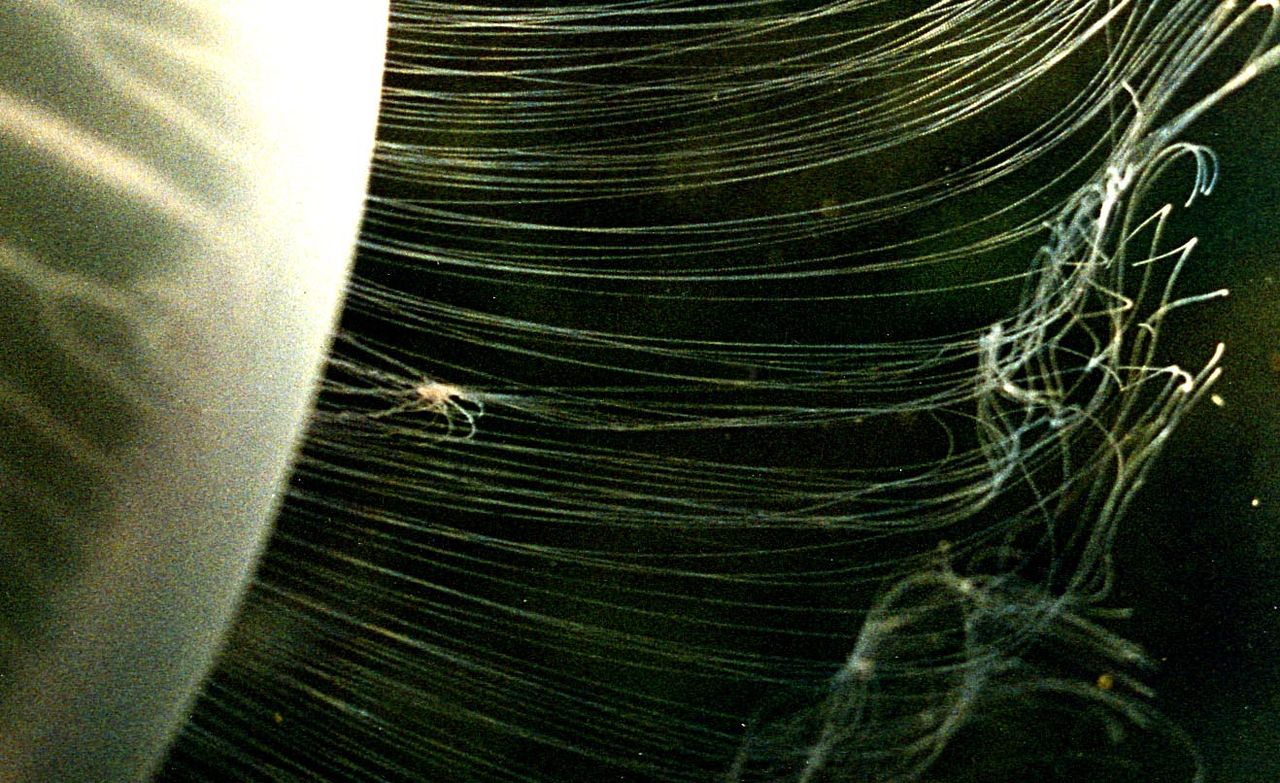

Mechanisms and structures
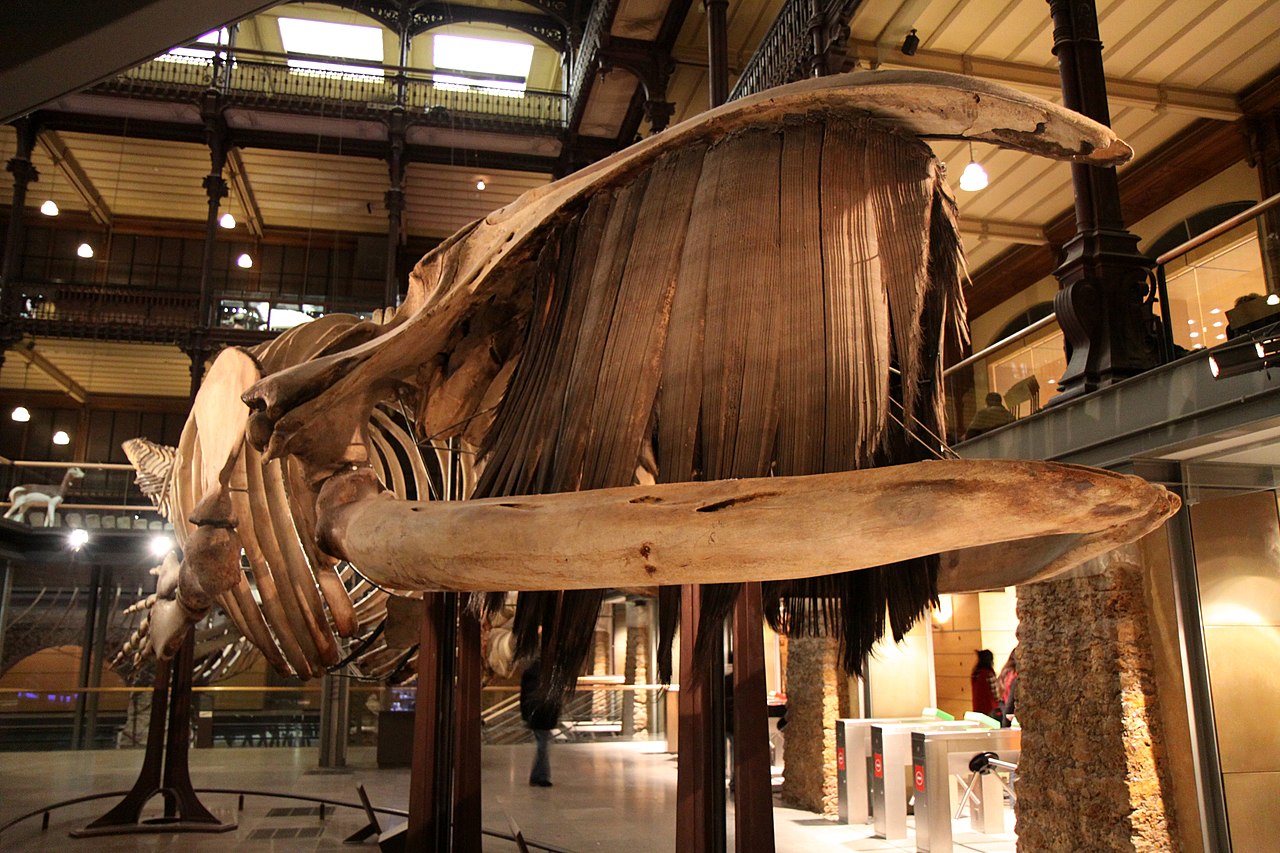
Filter feeding has arisen independently many times and uses a variety of physical mechanisms. Common strategies include trapping particles on comb-like or sieving structures, generating feeding currents, and using mucus to bind particles. Anatomy varies: baleen plates in some whales, gill rakers or modified gills in many fish, ciliated chambers in many invertebrates, and porous tissues in sponges. Modes range from passive filtration—where ambient currents deliver food—to active pumping that draws water through a feeding apparatus.
Examples and taxonomic spread
- Bivalves (e.g., oysters and clams) filter near surfaces and are common in estuaries.
- Small crustaceans such as krill are major pelagic filter feeders that support larger predators.
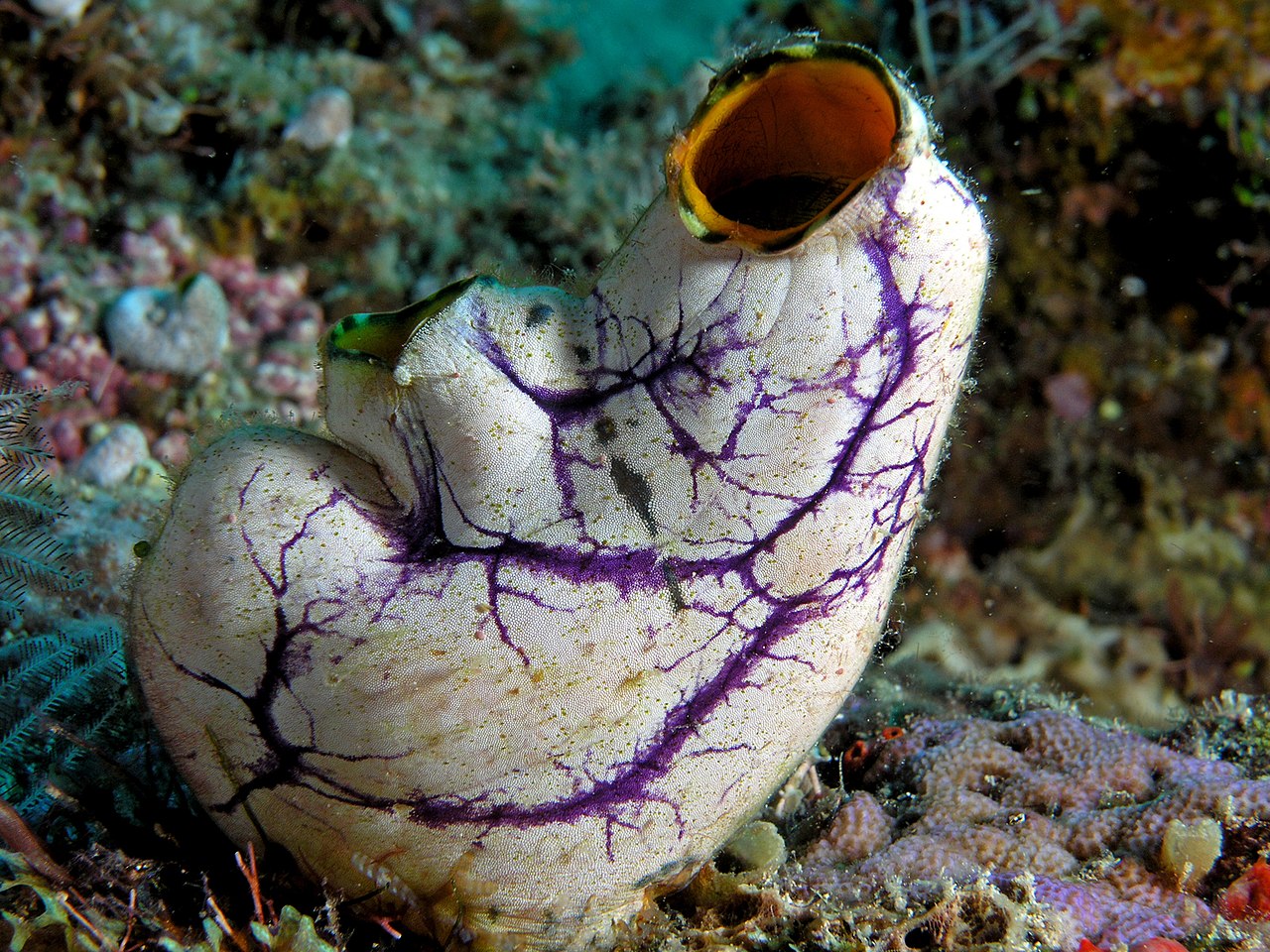
- Sponges (Porifera) draw water through pores and capture microbes and detritus.
- Large vertebrates—baleen whales and large filter‑feeding sharks like the whale shark or basking shark (sharks)—strain vast volumes of water for plankton and small fish.
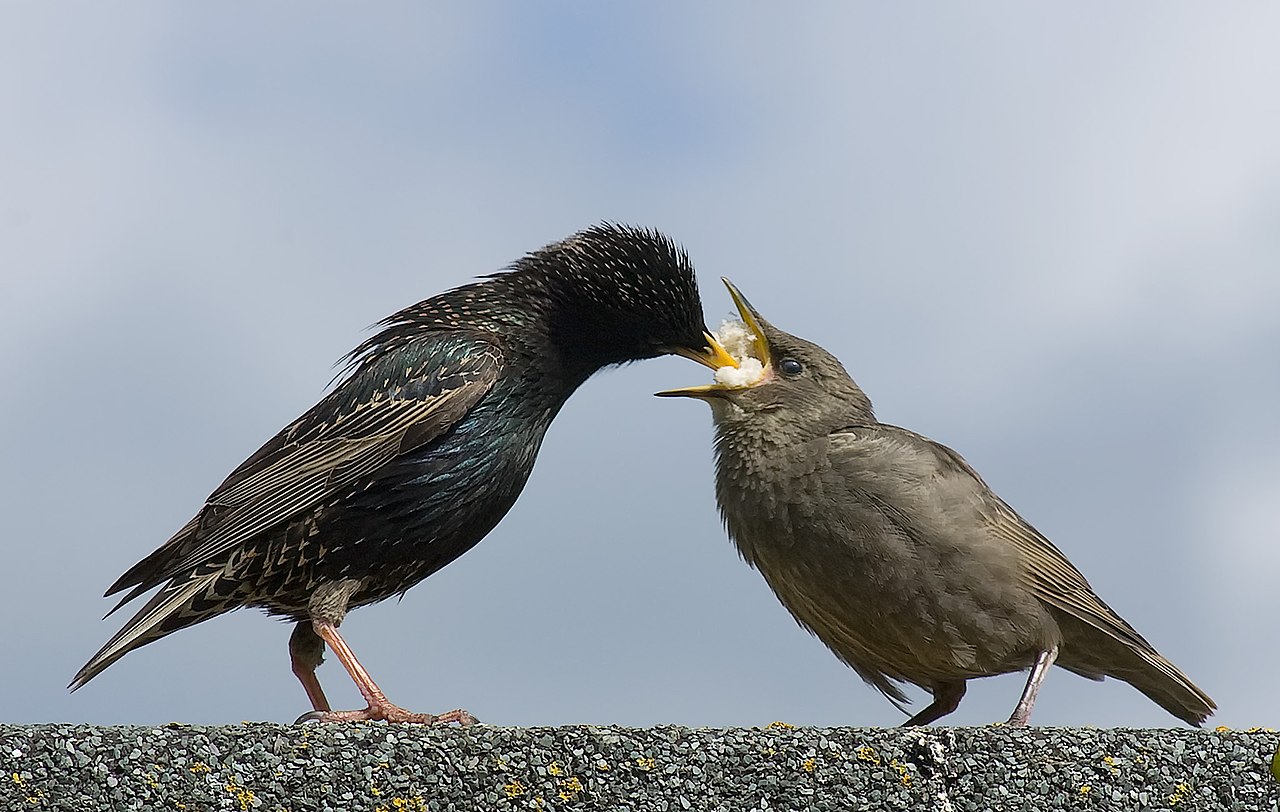
- Some birds use lamellae or other sieving adaptations to feed in shallow water.
Ecological role and importance
Filter feeders play key roles in aquatic ecosystems. They can increase water clarity, remove suspended organic material, and influence nutrient cycling by converting plankton into larger, more consumable biomass or into fecal pellets that sink and export carbon. Dense aggregations of bivalves or sponges act as ecosystem engineers, altering habitats and providing substrate for other species.
Human relevance, threats and notable facts
Filter feeders are important to fisheries and aquaculture and are used in some biofiltration and water‑quality projects. They are vulnerable to pollution, harmful algal blooms, and microplastics, which can accumulate in their feeding structures and tissues. Notable points: the blue whale—the largest animal on Earth—is a filter feeder, sponges are among the earliest multicellular filter feeders in the fossil record, and filter feeding has evolved repeatedly across distant groups. For further general reading see background sources and technical summaries.
Additional references and resources: krill ecology, sponge feeding, and filter‑feeding sharks provide accessible case studies of the diversity and function of this feeding mode.
Related articles
Author
AlegsaOnline.com Filter feeder: organisms that capture suspended food from water Leandro Alegsa
URL: https://en.alegsaonline.com/art/34336