
Fire ant (stinging ants of genus Solenopsis)
Fire ants are aggressive, stinging ants native to South America that have become invasive pests in many regions. They build large colonies, deliver painful alkaloid stings, and affect people, wildlife, and agriculture.
Fire ants are a group of stinging ants in the genus Solenopsis, often known as red imported fire ants, tropical fire ants, or ginger ants. They are true ants that deliver a characteristic burning sting and can form large, aggressive colonies. For further general context about stinging ants see stinging ants.
Image gallery
10 Images


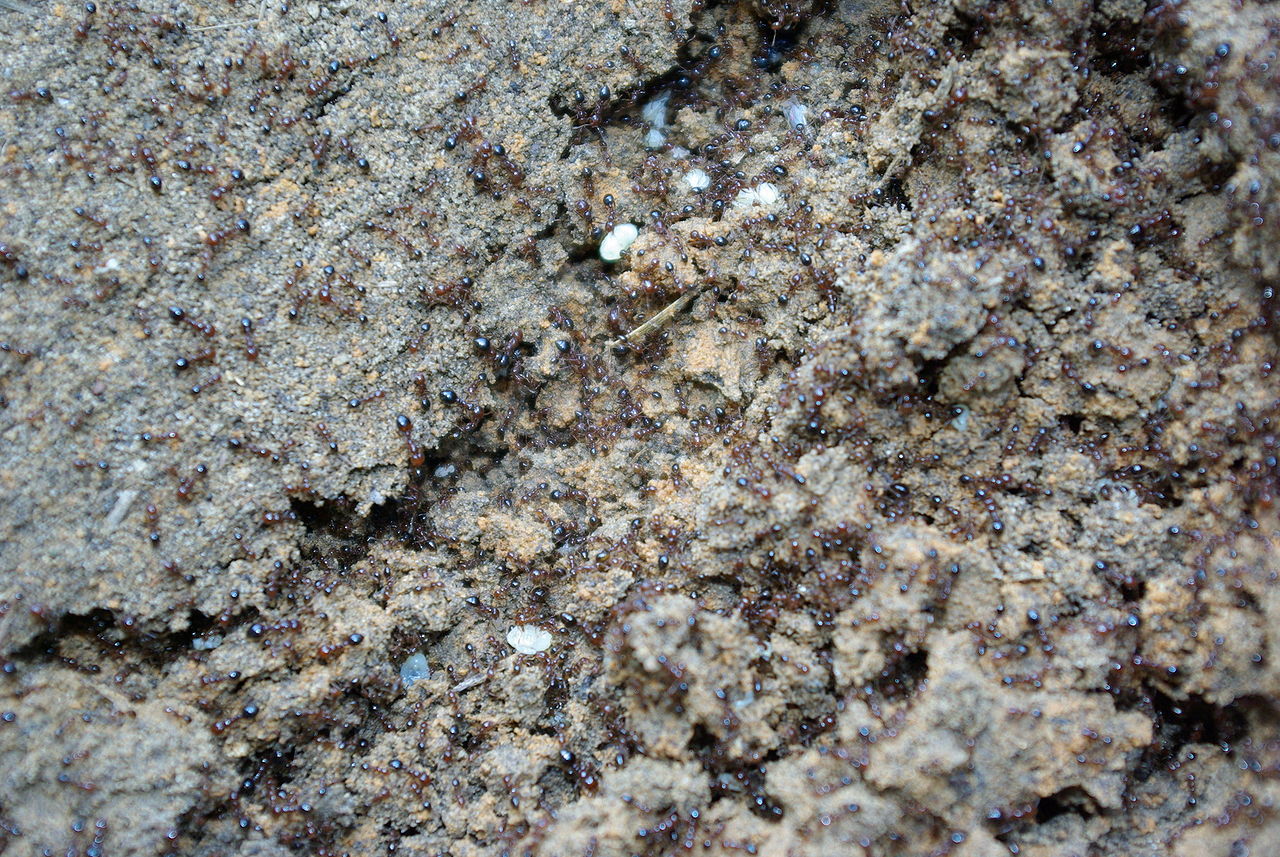

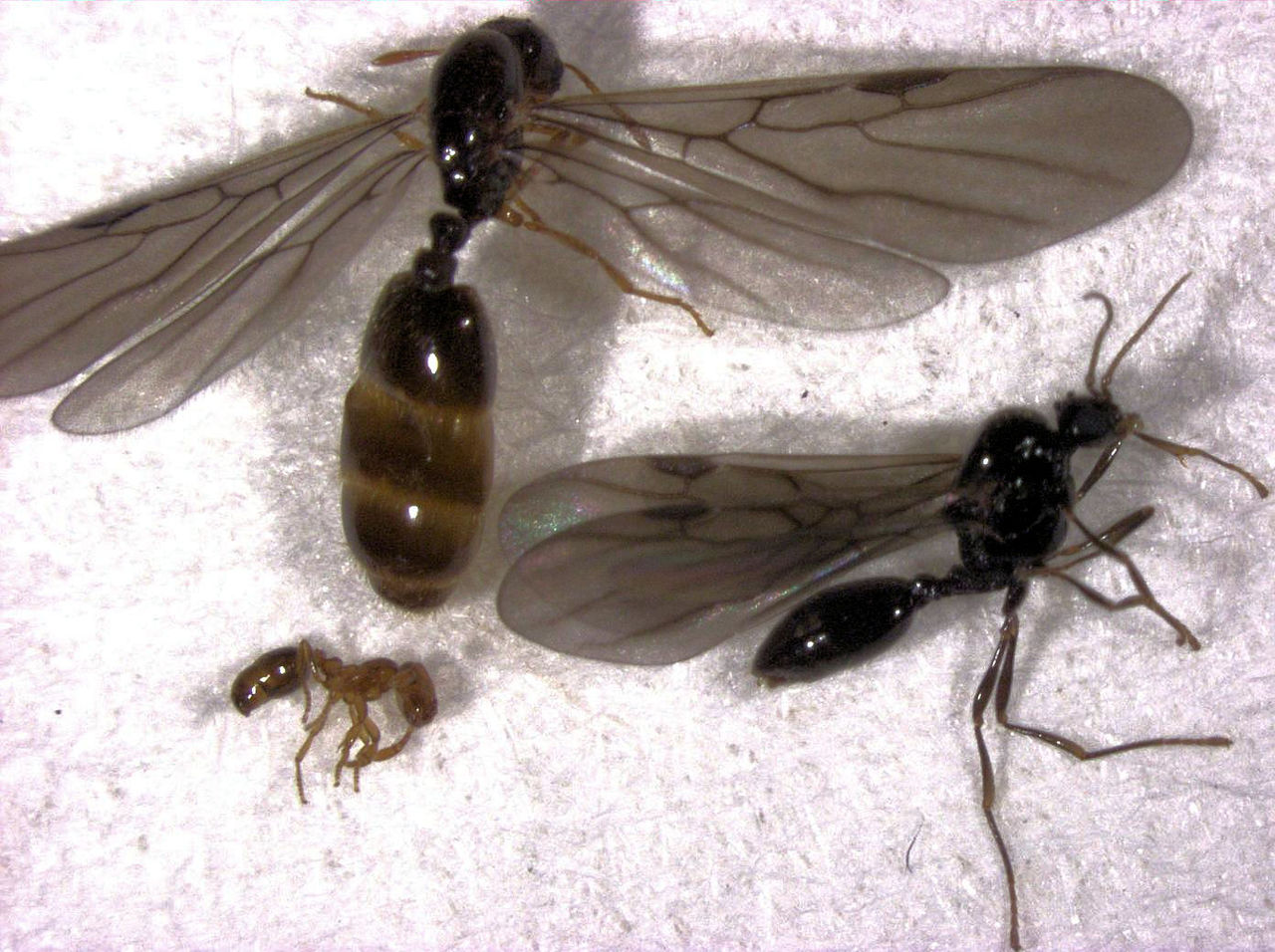

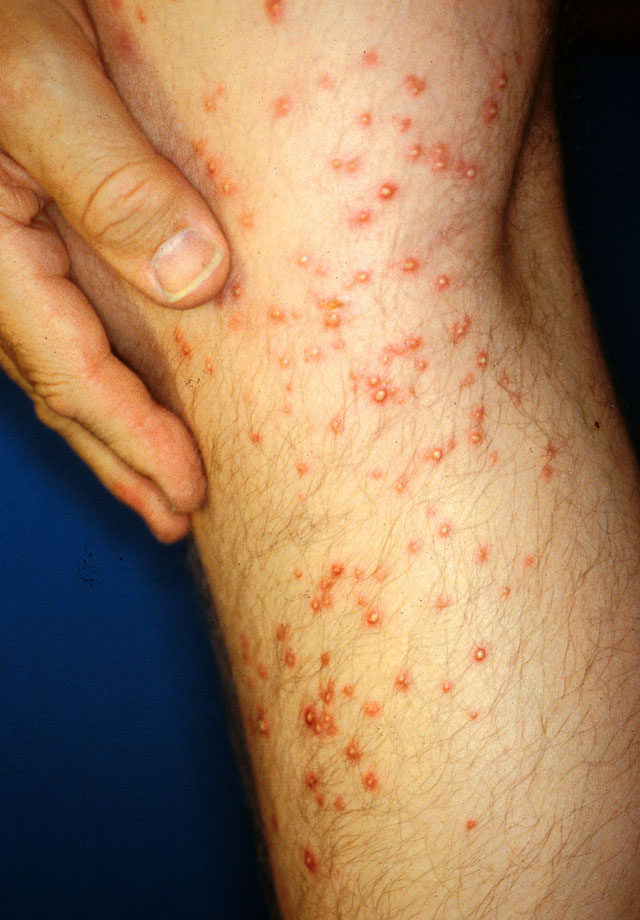
Characteristics and venom
Fire ants vary in color from reddish to dark brown and contain worker castes of different sizes. Nests are commonly visible as mounds in soil but may also be built in cavities or trees. Their sting injects venom that contains alkaloid compounds — notably piperidine derivatives — which produce intense pain, a burning sensation, and often a localized pustule. Chemically the venom acts as a basic alkaloid rather than an acidic secretion; for a technical note see venom chemistry.
Origin and spread
These ants evolved in South America and are adapted to warm climates and disturbance-prone habitats. Several species have spread beyond their native range through human transport and trade. The red imported fire ant is one of the most widely studied invasive species; its South American origin and pathways of spread are discussed in sources such as origin studies and accounts of invasion biology.
In parts of North America, Australia, parts of Asia and other regions, introduced fire ant species have become established and are regarded as major pests because of their bites and ecological impacts. Their expansion and management are a concern for public health, livestock, agriculture and native wildlife; more on regional impacts is available at regional pest information.
Ecology, impacts and management
Fire ants are omnivorous and opportunistic, feeding on insects, small animals, seeds and human food. They can reduce populations of native arthropods, affect ground‑nesting birds and reptiles, and damage crops or electrical equipment by nesting in disturbed sites. Management emphasizes integrated approaches:
- Detection and monitoring of mounds and foraging trails
- Use of baits, targeted insecticidal treatments and mound drenches when appropriate
- Habitat modification to reduce suitability for nesting
- Public education and coordinated control programs in invaded regions
Most stings cause temporary pain and skin reactions; a minority of people may experience severe allergic responses requiring medical attention. Because control and prevention strategies vary by species and location, local extension services or pest authorities provide the most relevant guidance.
Questions and answers
Q: What are fire ants?
A: Fire ants are a type of stinging ants that are also known as ginger ants and tropical fire ants.
Q: Where did fire ants evolve?
A: Fire ants evolved in South America.
Q: Where have fire ants become a major pest?
A: Fire ants have become a major pest in North America.
Q: What are fire ants known for?
A: Fire ants are known for their painful sting.
Q: What type of substance does their sting use?
A: Their sting uses a base, not an acid.
Q: Are fire ants dangerous to humans?
A: Fire ants can be dangerous to humans as their sting can cause pain, swelling, and in some cases, allergic reactions.
Q: How can people protect themselves from fire ants?
A: People can protect themselves from fire ants by wearing protective clothing, avoiding their nests, and using insect repellent.
Related articles
Author
AlegsaOnline.com Fire ant (stinging ants of genus Solenopsis) Leandro Alegsa
URL: https://en.alegsaonline.com/art/34457
Sources
- ipmworld.umn.edu : Imported Fire Ants
- nlm.nih.gov : "Insect Bites and Stings"