
Firefly (Lampyridae): the bioluminescent 'lightning bugs'
Fireflies (family Lampyridae) are bioluminescent beetles known for nocturnal flashes used in mating and defense. This article explains their biology, life cycle, behavior, and conservation issues.
Fireflies are a group of beetles in the family Lampyridae, commonly called fireflies, lightning bugs, or glow-worms. Most species produce visible light through a chemical reaction — a form of bioluminescence — and many are active at dusk or during the night. There are about 2,000 described species worldwide, occupying a range of habitats but often associated with moist areas such as meadows, forests, and wetlands.
Image gallery
10 Images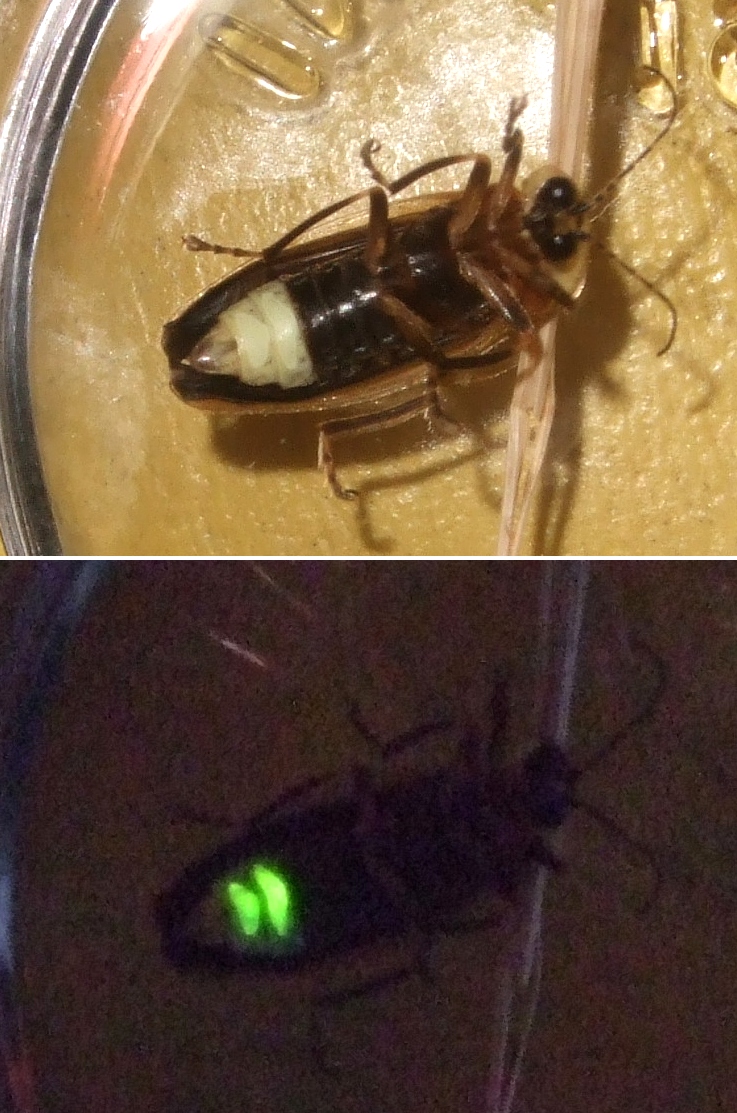





Distinctive characteristics
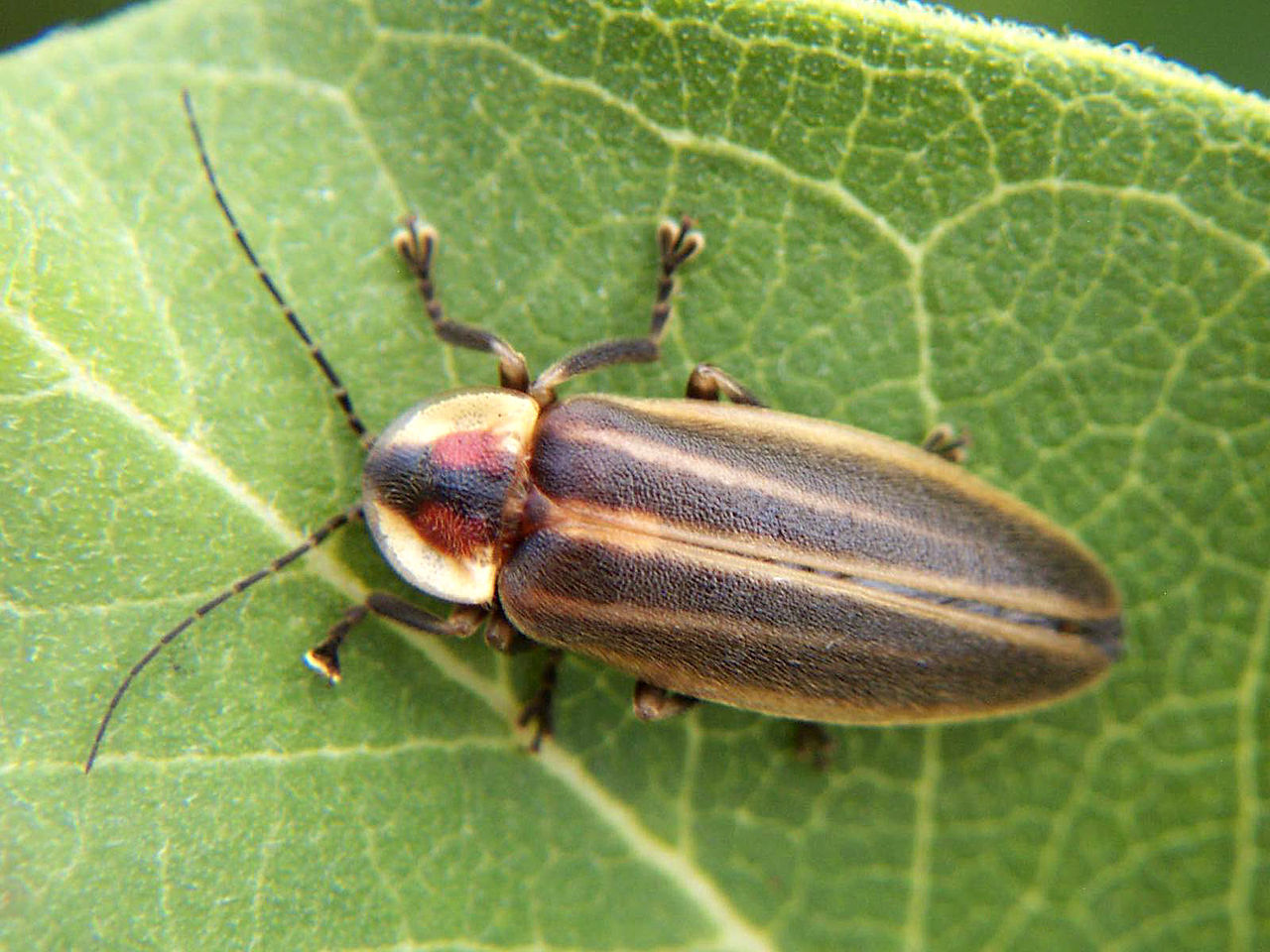
Firefly light is generated in specialized abdominal organs by reactions involving compounds typically referred to as luciferin and the enzyme luciferase. The light is remarkably efficient (often called cold light) because almost all the chemical energy is emitted as visible photons rather than heat. Adults and larvae can differ in appearance: some adult females are wingless and resemble larvae, while most adults are winged and beetle-like.
- Displays: Adults flash in species-specific patterns to attract mates; flash timing, duration, and color are important signals.
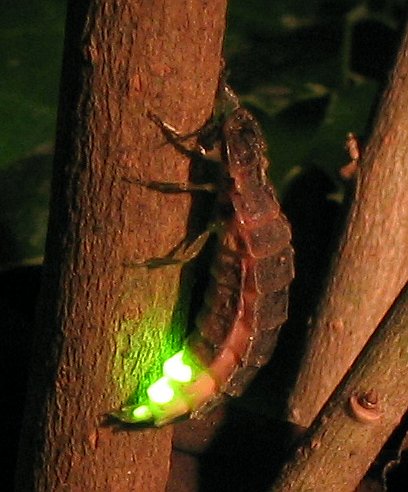
- Larvae: Often predatory, feeding on snails, slugs, and other invertebrates; they also glow, which can serve as a warning to predators.
- Chemical defense: Many fireflies contain distasteful or toxic compounds that discourage predators.
Life cycle and behavior
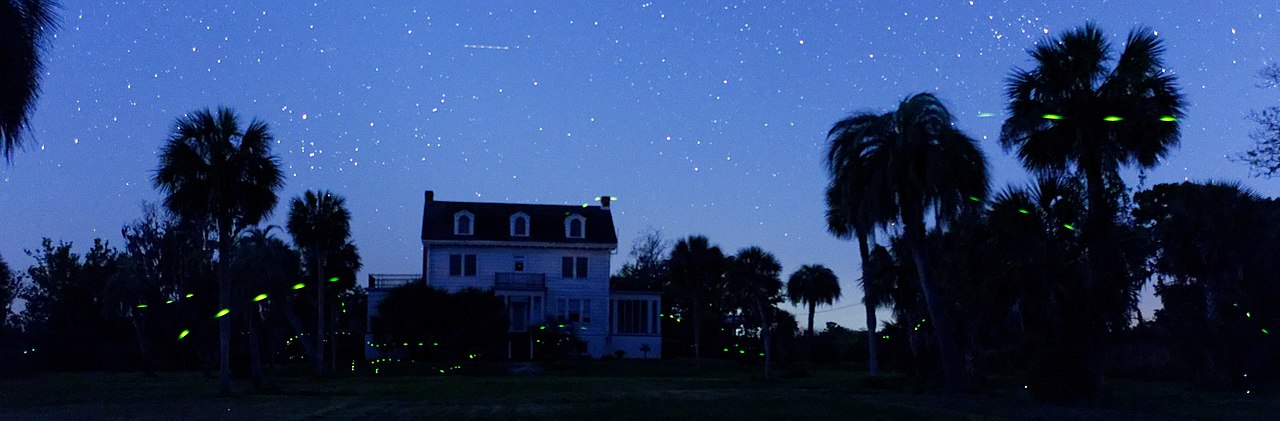
Fireflies undergo complete metamorphosis: egg, larva, pupa, and adult. Larvae may spend a year or more growing before pupating. Adults typically emerge in warm months and concentrate on reproduction; some adult species do not feed. Flash patterns enable mate recognition and, in some species, males and females respond in a rhythmic exchange. A few species are famous for synchronous flashing, in which large numbers flash together, creating spectacular displays.
The family is part of the larger group of beetles (Coleoptera) and is often studied in the context of bioluminescence. Scientific interest spans ecology, evolution, and the biochemistry of light production. Practical research has led to laboratory uses of luciferase as a reporter in molecular biology and medicine.
Human interest extends from natural history to culture: firefly-watching is a popular pastime in many regions, inspiring festivals and conservation efforts. However, populations face threats from habitat loss, pesticide use, and artificial night lighting, which can disrupt mating signals. Conservationists encourage protecting dark corridors and habitat preservation to help sustain firefly diversity.
For further reading about classification, natural history, species diversity and conservation resources, see general references on firefly light, species lists, and family-level summaries.
Questions and answers
Q: What is a Firefly?
A: Firefly is a family of beetles called the Lampyridae, known for their bioluminescence.
Q: How do Fireflies produce light?
A: Fireflies have bioluminescence which enables them to produce light.
Q: What are the other names for Fireflies?
A: Fireflies are also known as "lightning bugs" or "forest stars".
Q: How many species of Fireflies are there and when are they active?
A: There are about 2000 different species of Fireflies, which are mostly active at night.
Q: What is the purpose of Firefly's flashing of light?
A: Fireflies flash their lights to attract mates and also as a warning signal to predators.
Q: Why do many predators avoid Firefly larvae?
A: Many predators dislike the taste of Firefly larvae, hence they try to avoid them.
Q: Why is bioluminescence unique to Fireflies?
A: Bioluminescence is unique to Fireflies as it allows them to produce light, giving them an advantage in attracting mates and warning predators.
Related articles
Author
AlegsaOnline.com Firefly (Lampyridae): the bioluminescent 'lightning bugs' Leandro Alegsa
URL: https://en.alegsaonline.com/art/34487
Sources
- doi.org : 10.1016/j.ympev.2007.05.013
- pubmed.ncbi.nlm.nih.gov : 17644427
- species.wikimedia.org : Lampyridae