
Suva, capital city of Fiji
Suva is Fiji's capital on southeastern Viti Levu, serving as the nation's political, commercial and cultural centre. It has a natural harbour, diverse population, major institutions and significant regional links.
Overview
Suva is the capital city of Fiji, located on the southeast coast of the island of Viti Levu. It functions as the country's principal centre for government, commerce, higher education and regional diplomacy. Suva's urban area blends government precincts, commercial districts, residential neighbourhoods and port facilities that serve domestic and international shipping.
Image gallery
10 Images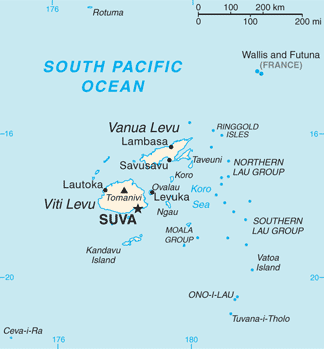




Geography and climate
The city faces a protected natural harbour and is set on a coastal plain rising into surrounding hills. Suva's climate is tropical, with warm temperatures year-round, high humidity and a marked wet season in which heavy rainfall and occasional storms are common. These environmental conditions influence urban planning, transport and coastal infrastructure.
History
Suva was established as the administrative centre in 1877, when colonial authorities moved the capital from the earlier settlement on the island of Ovalau (Levuka) to allow for greater expansion and to take advantage of Suva's harbour; for an overview see capital history. The city expanded through the late 19th and 20th centuries as administration, trade and migration reshaped Fiji's economy and society. The growth includes layers of indigenous Fijian culture, European colonial architecture and the influence of Indo-Fijian communities.
Government, institutions and economy
As the national capital, Suva hosts parliamentary buildings, ministries and many diplomatic missions. It is home to major regional bodies and educational institutions, including the main campus of the University of the South Pacific and offices of regional organisations. The local economy is driven by public administration, wholesale and retail trade, shipping and services related to finance and education.
Population and society
Suva is ethnically and culturally diverse, with indigenous Fijian, Indo-Fijian and other communities contributing to a multilingual, multi-faith urban society. In 1996 the city recorded about 77,366 residents, with roughly 167,975 in the greater urban area; further population details may be found at census resources. Community life includes markets, festivals, places of worship and neighbourhood associations that reflect the city's varied heritage.
Landmarks and visitor information
- Notable sites include museums, a national botanical garden, historical buildings and public parks.
- Suva Market and central shopping areas provide a lively retail and cultural experience.
- The port and waterfront areas remain important for trade and transport links across Fiji and the Pacific.
For more background on the earlier settlement and regional context see the settlement background pages: Ovalau and Levuka, and consult local government sources for services and visitor information.
Related articles
Author
AlegsaOnline.com Suva, capital city of Fiji Leandro Alegsa
URL: https://en.alegsaonline.com/art/95327