
Finger Lakes (New York) — glacial lakes, wine region, and recreation
Long, narrow glacial lakes in central Upstate New York known for deep basins, waterfalls, wineries, and outdoor recreation; formed by Ice Age glaciers and home to several state parks.
Overview
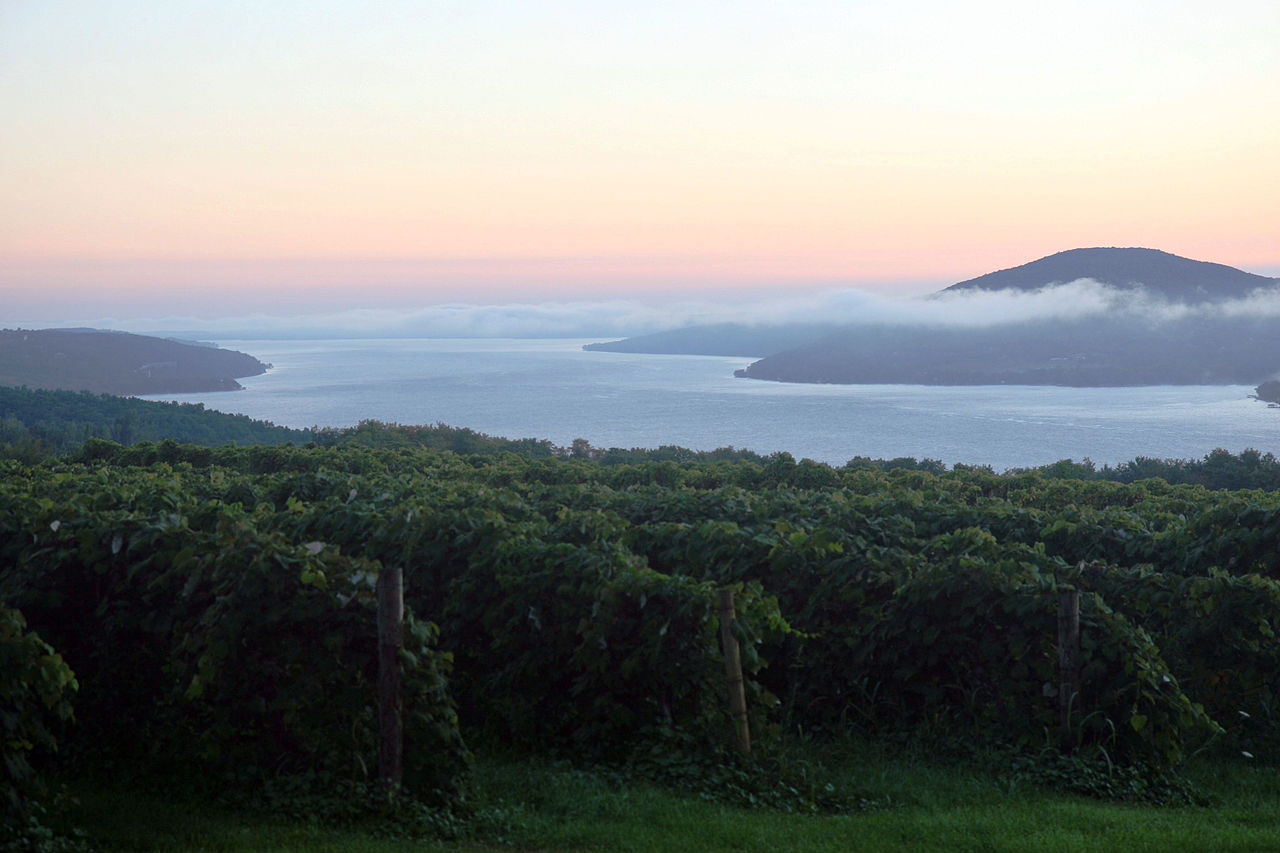
The Finger Lakes are a chain of long, narrow lakes in central Upstate New York, running roughly north–south across a broad glacial trough. The group is most often associated with eleven principal lakes and the surrounding lowlands, which together form a distinct geographic and cultural region. The lakes are renowned for their depth, scenic shorelines, and a climate favorable for grape growing. For general information and travel resources see Finger Lakes.
Image gallery
10 Images




Formation and physical characteristics
The lakes were carved by continental glaciers during the Pleistocene epoch. Ice moving southward scoured deep, over‑deepened troughs in the bedrock; when the glaciers retreated they left behind long basins that filled with meltwater. Many Finger Lakes have steep sides and considerable depth relative to their surface area, producing cold, deep waters and pronounced thermal stratification. Lake Seneca is the deepest of the group, with a maximum depth recorded at approximately 618 feet.
Major lakes and landscape
The region includes several well‑known lakes, each with its own character. Major examples are:
- Seneca Lake — largest by surface area of the deepest lakes and noted for wineries along its shores.
- Cayuga Lake — extends past Ithaca and is bordered by academic and cultural institutions.
- Keuka Lake — distinctive Y shape and popular for boating and vineyards.
- Canandaigua, Skaneateles, Owasco and others — smaller but often steep‑sided and clear.
Human history and cultural importance
Indigenous peoples of the Haudenosaunee (Iroquois) confederacy, including nations whose names appear on the lakes (for example, Seneca and Cayuga), lived in and used the Finger Lakes region for centuries before European settlement. In the 19th and 20th centuries the lakes supported mills, transport corridors and small towns; more recently the area has developed a reputation for agriculture—especially grape and wine production—tourism, and conservation.
Economy, recreation and conservation
The Finger Lakes economy blends agriculture (notably vineyards and orchards), tourism, education and light industry. The presence of long, deep lakes creates microclimates that moderate frost and extend the growing season, encouraging the development of vineyards and wineries. Recreational activities include boating, fishing, swimming, hiking, and visiting waterfalls and gorges in state parks. Major educational institutions, such as Cornell University at Ithaca on Cayuga Lake, contribute research, cultural life, and seasonal visitors to the region.
Distinctions and notable facts
Although sometimes confused with nearby mountain ranges, the Finger Lakes are distinct from the Catskills and Adirondacks: they occupy a glacially sculpted plateau in west‑central Upstate New York. The lakes’ north–south alignment and depth create local climatic effects often cited by growers, and many shorelines are protected within state parks, preserves and municipal conservation areas. The combination of geology, scenery and human use makes the Finger Lakes a well‑known example of a glacial lake district in eastern North America.
Related articles
Author
AlegsaOnline.com Finger Lakes (New York) — glacial lakes, wine region, and recreation Leandro Alegsa
URL: https://en.alegsaonline.com/art/34398