
First Kashmir War (1947–1948)
The 1947–48 conflict between the newly independent Dominions of India and Pakistan over the princely state of Jammu and Kashmir; a UN-brokered ceasefire left the territory divided and unresolved.
Overview
The First Kashmir War, fought in 1947–1948, was the first major armed conflict between the newly created Dominions of India and Pakistan. It began as a local uprising and invasion in the princely state of Jammu and Kashmir and expanded into a wider international dispute that set the pattern for subsequent Indo‑Pakistani wars and an enduring territorial dispute.
Image gallery
10 Images




Background and causes
Under British rule, Jammu and Kashmir had been a princely state ruled by the Dogra monarch. In the partition of British India in 1947, the ruler initially sought to remain independent. Late in October 1947, irregular forces from across the north‑west frontier entered the state and a popular rebellion broke out in parts of western Kashmir. Facing an invasion and the collapse of order, the Maharaja sought military assistance and accepted terms of accession to India, which led to the deployment of Indian troops to defend the state.
Principal actors
- Dominion of India — government forces and Indian Army units airlifted to Srinagar.
- Dominion of Pakistan — supported tribal militias and irregular forces from the northwest, as well as elements sympathetic within parts of the state.
- Princely state of Jammu and Kashmir — the Dogra ruler and local populations with mixed religious and regional affiliations.
- United Nations — became involved diplomatically and later brokered a ceasefire.
Course of the conflict
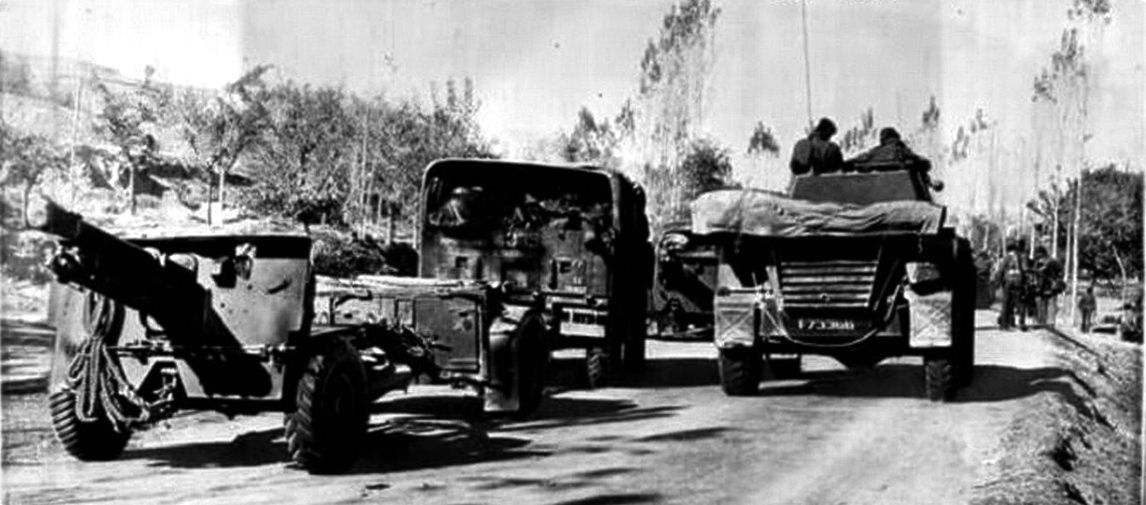
Fighting proceeded in several phases: an initial invasion by tribal forces and local uprisings in late 1947; rapid Indian military reinforcement and counter‑operations that secured key towns and the Kashmir Valley; and continued front‑line fighting through 1948. Battles occurred in varied terrain, from the Srinagar plains to the mountainous districts of Jammu and Ladakh, complicating logistics and campaigning. The war attracted international attention and led both sides to appeal to world opinion and to the United Nations.
Ceasefire, outcome and division
Hostilities wound down after a United Nations mediated process, culminating in a ceasefire in early 1949 that froze positions on the ground. The territory emerged divided: Indian forces held the Kashmir Valley, much of Jammu and Ladakh, while Pakistani‑controlled territory included parts of western Kashmir and the northern districts (now often referred to separately). The line established by the ceasefire has been modified and remains commonly known as the Line of Control. The original UN proposals called for a plebiscite under certain conditions, but that vote was never held.
Consequences and legacy
The First Kashmir War established a durable but contested boundary and seeded deep mistrust between Pakistan and India. It was the first of four major wars between the two states and has had long‑term implications for regional politics, military planning, and the lives of people in the divided Kashmir region. The unresolved status of the territory continues to influence diplomacy, security, and human dimensions in South Asia.
For detailed timelines and primary documents consult archival collections and the records of the United Nations and the respective governments: sources on the 1947 rebellions.
Related articles
Author
AlegsaOnline.com First Kashmir War (1947–1948) Leandro Alegsa
URL: https://en.alegsaonline.com/art/34563
Sources
- books.google.com : A History of India
- books.google.com : Pakistan: The Consolidation of a Nation