
Fichtelgebirge: a mountain range in northeastern Bavaria
Overview of the Fichtelgebirge mountains in northeastern Bavaria, Germany: geography, peaks, rivers, history, and year‑round recreational uses.
Overview
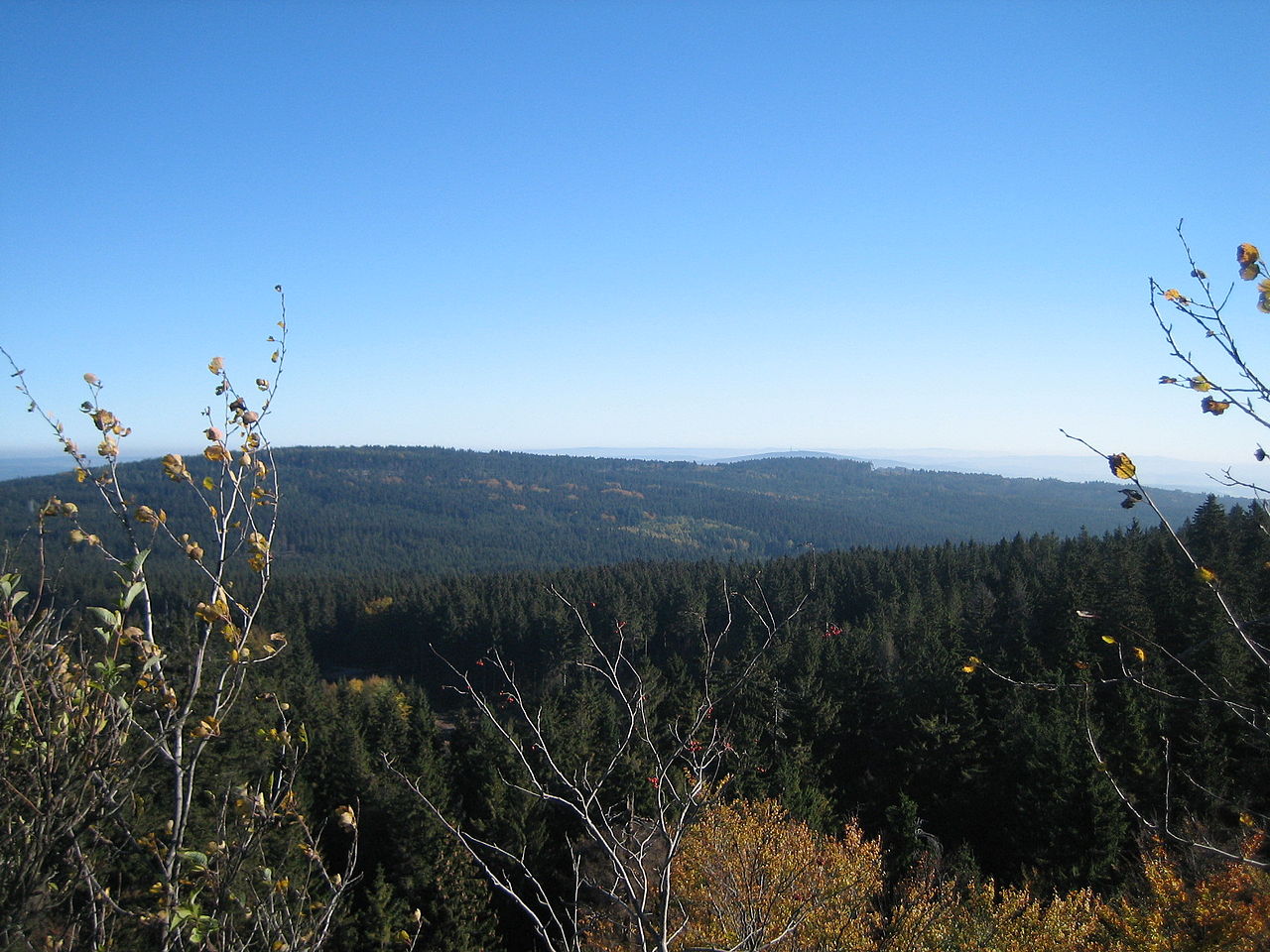
The Fichtelgebirge is a compact upland region in northeastern Bavaria, Germany. It forms a roughly oval highland that rises between river valleys and the border with the Czech lands. Although modest in elevation compared with the Alps, the chain has a distinct character of rounded forested ridges, exposed granite outcrops and long cultural ties to adjacent lowlands. A general introduction and map can be found via Fichtelgebirge resources.
Image gallery
10 Images



Geography and principal peaks
The highest summit is the Schneeberg at 1,051 metres, long prized for its views and weather station. Nearby is the Ochsenkopf, another prominent peak with observation towers and ski facilities. The landform slopes gently to the north and south but drops more steeply toward the west, where the valley of the Red Main marks a clear boundary. The Fichtelgebirge links eastward to higher ranges and is regarded as the western foothills of the Ore Mountains.
Rivers and watersheds
Several important rivers originate in the Fichtelgebirge, making it a regional watershed. These include:
- White Main (Weißer Main) — one of the headstreams of the Main river system;
- Saxon Saale — which flows north toward Saxony and the Elbe;
- the Ohře (Eger), rising on eastern slopes and running into the Czech lowlands;
- the Fichtelnaab, which joins the Waldnaab and contributes to the Naab basin draining southwards.
History, settlement and industry
Human use of the Fichtelgebirge stretches back centuries. The region's forests supplied timber, while streams powered mills and supported small-scale mining and metalworking from the medieval period onward. Settlements grew around trade routes and resource sites; towns such as Bayreuth and Hof sit on the outer margins and have long economic and cultural links to the highlands. Traditional crafts, glassmaking and rural agriculture remain part of the local heritage.
Recreation and natural attractions
The Fichtelgebirge is a popular destination for outdoor recreation year-round. In summer the network of trails, ridge walks and geological features draws walkers and nature observers. In winter, the higher slopes offer prepared runs and cross‑country trails. Common activities include:
- Hiking on marked long-distance and local paths;
- Skiing and sledging at served slopes;
- rock climbing on prominent granite formations and birdwatching in protected forest reserves.
Distinctive features and notes
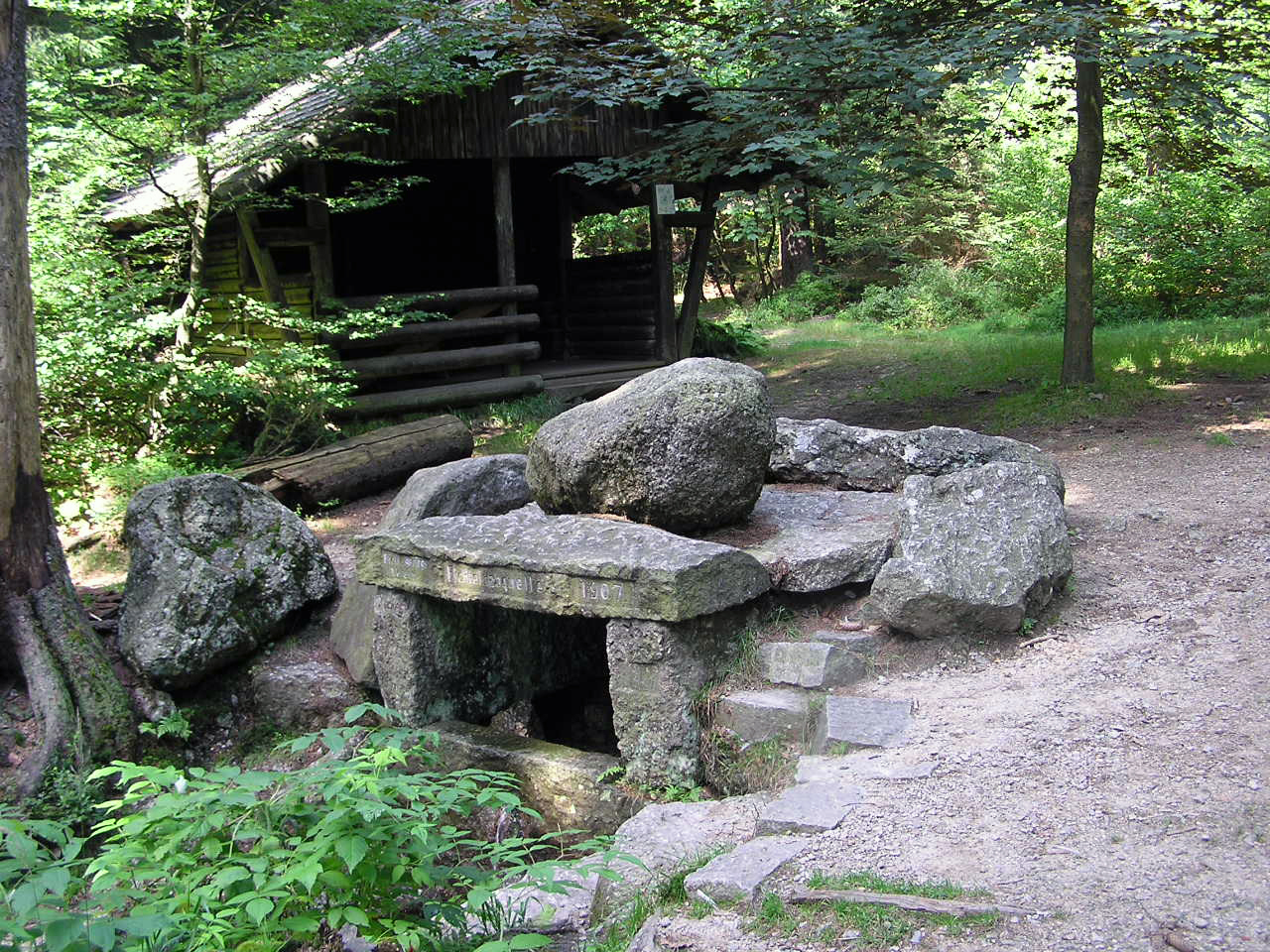
The Fichtelgebirge's combination of granite outcrops, coniferous forest and multiple headwater streams makes it ecologically significant as a regional watershed and habitat island. It is modest in elevation but rich in cultural landscapes: historic routes, forestry traditions and small tourism enterprises shape everyday life. For visitor information, safety advice and trail maps consult local tourism offices and specialized guides before travel.
Useful links: Fichtelgebirge overview, Bavaria, Germany, Red/White Main, Czech border, Ore Mountains, Saxon Saale, Bayreuth, hiking resources, winter sports.
Related articles
Author
AlegsaOnline.com Fichtelgebirge: a mountain range in northeastern Bavaria Leandro Alegsa
URL: https://en.alegsaonline.com/art/34182