
Feyenoord Rotterdam
Feyenoord is a professional football club from Rotterdam, founded in 1908. Known for De Kuip stadium, red-and-white kit, passionate supporters and regular presence in the Eredivisie and European competitions.
Overview
Feyenoord is a professional Dutch football club based in Rotterdam. Founded on 19 July 1908, the club is traditionally regarded as one of the Netherlands' leading teams and forms part of the country's historic top tier alongside other major clubs. Feyenoord is widely associated with a strong local identity tied to Rotterdam and a reputation for passionate support.
Image gallery
6 Images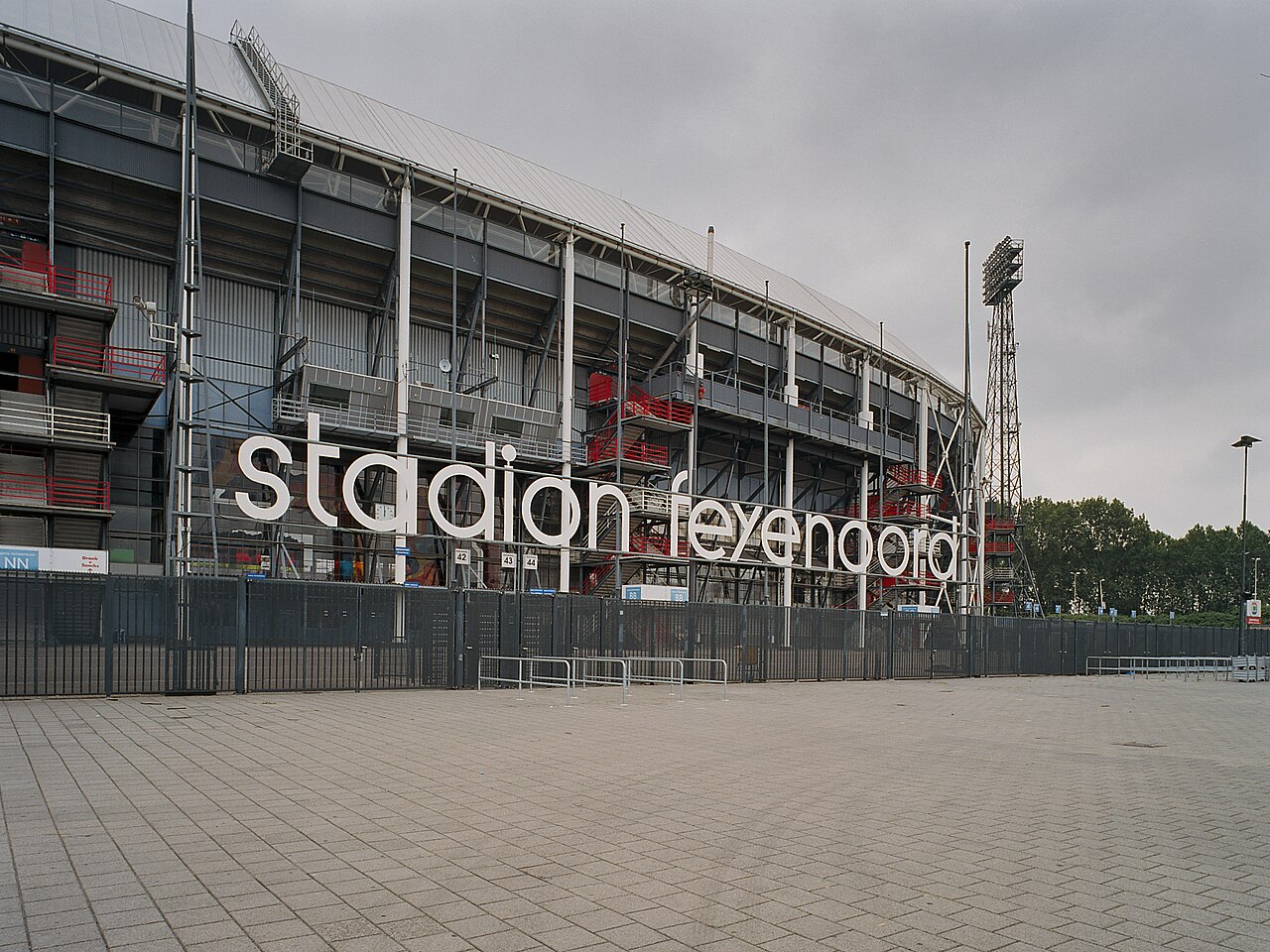



Stadium and colours
The club's home ground is the Feijenoord Stadium, commonly known as De Kuip. De Kuip is one of the Netherlands' most iconic grounds, noted for its atmosphere and distinctive bowl-like design that brings supporters close to the pitch. Feyenoord's classic home kit features a vertically split red and white shirt worn with black shorts and black socks. The club's home uniform is an important visual element of its identity, and away or third kits are varied by season while retaining traditional colours on many occasions.
History and development
From humble local origins the club grew into a professional organisation with national and international recognition. Feyenoord has been influential in Dutch football development, placing emphasis on youth development, community ties and a playing style often described as determined and combative. Over the decades the club has won domestic titles and achieved success in European competitions, outcomes that have reinforced its national standing while also shaping its modern identity.
Supporters, traditions and matchday culture
Supporters play a central role in Feyenoord's public image. The fanbase is known for vocal backing, colourful displays and a strong connection to the city. One widely recognised matchday tradition is the playing of the Hermes House Band version of "I Will Survive", which is commonly heard when the team scores at home; this recording has become linked to celebrations at De Kuip and features in many popular accounts of fan ritual. Such traditions contribute to the club's distinctive atmosphere.
Rivalries and key fixtures
Feyenoord's matches against Ajax, commonly referred to as De Klassieker, are among the most prominent in the Dutch calendar and reflect both sporting rivalry and regional contrasts between Rotterdam and Amsterdam. Other domestic fixtures carry local intensity as well, and matches at De Kuip frequently draw significant attention from national media and travelling fans.
Sporting structure and community role
Beyond the first team, Feyenoord operates youth and community programmes designed to develop players and support local participation in sport. The club places importance on connecting to Rotterdam through outreach, education and football programmes that encourage young people to engage with the game and the club's values.
Players, managers and identity
Over time Feyenoord has been associated with many notable players and managers who have contributed to its success and character. The club's emphasis on developing talent and maintaining a competitive team at home and in Europe has produced figures celebrated by supporters and recognised in broader Dutch football history.
Competitions and honours
Feyenoord regularly competes in the Eredivisie and has represented the Netherlands in European competitions. The club's trophy record includes national championships and cup victories as well as notable European achievements; these successes underpin its status as one of the country's traditional powerhouses.
Quick references and links
Related articles
Author
AlegsaOnline.com Feyenoord Rotterdam Leandro Alegsa
URL: https://en.alegsaonline.com/art/34139