
FieldTurf: synthetic playing surface — composition, history, use and controversies
FieldTurf is a branded artificial turf system introduced in the 1990s. This article explains its materials, development, typical uses across sports, benefits and criticisms, and notable installations and distinctions.
Overview
FieldTurf is a commercial brand of artificial turf designed to simulate natural grass for sports and recreational use. Introduced in the 1990s, it became one of the most widely recognized synthetic surfaces used in stadiums, practice facilities and multi‑use fields. FieldTurf installations aimed to combine a grass‑like playing feel with lower routine maintenance than live turf, while providing a durable, drainable surface for heavy use.
Image gallery
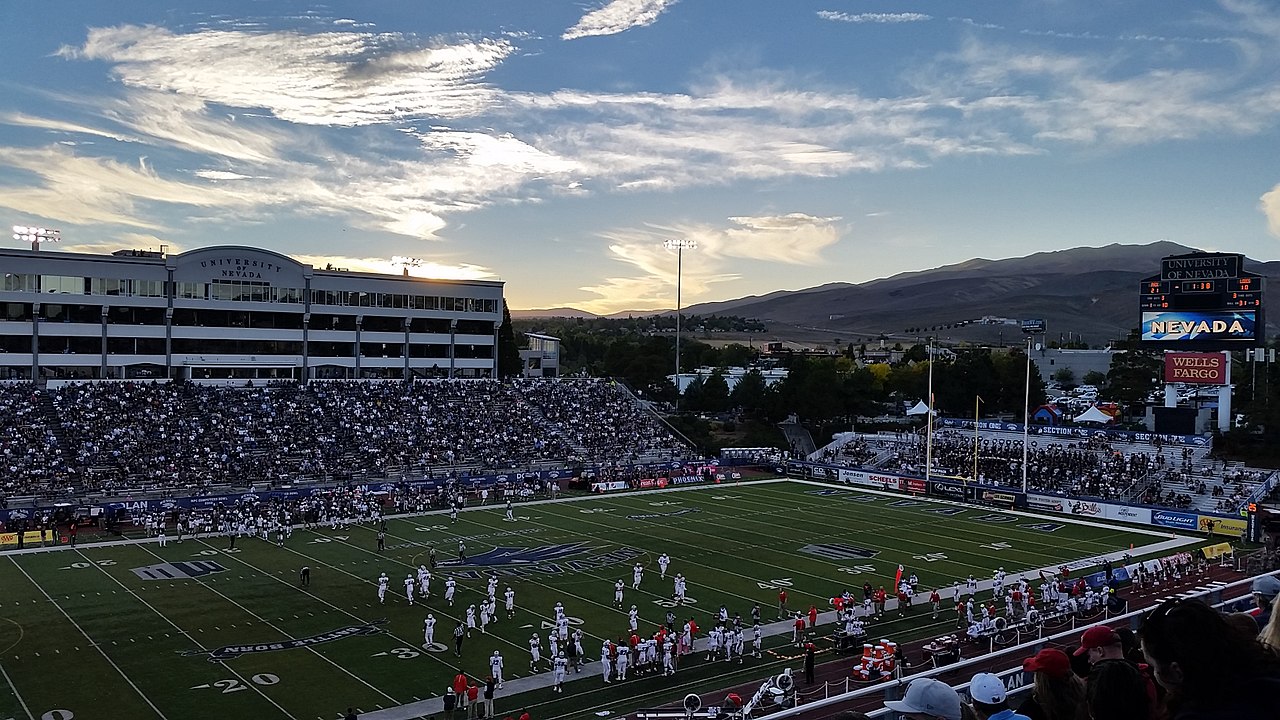
3 Images

Composition and technical characteristics
Modern FieldTurf systems are made of textile fibers tufted into a backing and supported by layers beneath. The visible fibers are typically polyethylene or similar polymers shaped to imitate grass blades. Below the pile, manufacturers place an infill material — commonly a blend of silica sand and crumb rubber (recycled rubber granules) — that helps the fibers stand upright, cushions players and influences ball behavior. A permeable backing and a layered base facilitate drainage so water passes through the surface quickly.
History and development
FieldTurf was developed in response to the earlier generations of artificial turf, which were more carpet‑like and criticized for poor shock absorption and high injury rates. Through the 1990s companies worked to create systems that looked and played more like natural grass. One of the first prominent football installations at the collegiate level occurred at the University of Nebraska's Memorial Stadium in 1999, and association football clubs began experimenting with the system earlier in the decade — for example, a professional club used FieldTurf at a training ground in 1997. Over time FieldTurf and similar products evolved with refinements to fiber shape, infill composition and backing technology.
Common uses and examples
FieldTurf is used for a variety of sports including American football, association football (soccer), rugby, baseball, and for multipurpose community and indoor facilities. Some professional and international venues have hosted competitive matches on synthetic surfaces; for instance, Saprissa Stadium in Costa Rica installed an artificial surface and has hosted World Cup qualifying fixtures on it (Saprissa Stadium). Clubs and governing bodies have implemented artificial turf for reasons of playability, climate adaptation and schedule consistency. One early club use in the 1990s involved a Middlesbrough training ground (Middlesbrough) that trialed synthetic turf for year‑round practice.
Benefits
- Lower routine maintenance: no mowing, less watering, no re‑seeding or seasonal rest for heavy schedules.
- Durability and heavy use: artificial systems withstand frequent events and training sessions with faster recovery between uses.
- Consistent surface: fewer irregularities from divots or mud, and engineered drainage reduces cancellations after heavy rain.
- Versatility: enables multi‑purpose facilities and play in climates where natural grass struggles.
Criticisms, safety and environmental concerns
FieldTurf and similar systems have generated debate. Players and some governing bodies have expressed concerns about differences in traction, ball bounce and slide behavior compared with natural grass. Research into injury patterns—such as joint and soft‑tissue injuries—has produced mixed findings, and opinions among medical staff and athletes vary. Heat buildup on artificial surfaces can make playing conditions substantially hotter than on grass during warm weather.
Environmental questions focus on the use of crumb rubber infill, its lifecycle and potential leaching of substances. These concerns have led manufacturers and users to explore alternative infill materials (sand only, organic infills, coated granules) and to improve recycling programs. Sports organizations have also assessed artificial turf for suitability in international competition; for example, while artificial turf has been adopted in some FIFA‑sanctioned events, no FIFA World Cup match has been played on FieldTurf (FIFA World Cup), and federations continue to weigh natural versus synthetic surfaces in different contexts.
Notable distinctions and current trends
FieldTurf is often referenced as a leading early brand in the modern generation of artificial playing surfaces, but it is one of several competing technologies in a marketplace that includes proprietary fiber shapes, hybrid systems (mixing natural turf with synthetic reinforcement) and ongoing material innovation. Adoption tends to vary by climate, level of play and governing‑body regulations: some leagues and tournaments prefer natural grass, others accept or require approved synthetic systems for practical reasons.
For readers seeking more information on rules, certifications and technical specifications, consult governing bodies and manufacturers for the latest approvals and test standards. Additional resources on surface performance and environmental testing are available through sport science literature and regulatory reports (American football resources, soccer governing bodies, and club case studies such as Middlesbrough and Saprissa), and historical context on international use is discussed in publications addressing the evolution of playing surfaces (FIFA World Cup).
Related articles
Author
AlegsaOnline.com FieldTurf: synthetic playing surface — composition, history, use and controversies Leandro Alegsa
URL: https://en.alegsaonline.com/art/34216