
1908
Overview of the year 1908: calendar facts, major global events (Tunguska, Messina earthquake, Bosnian annexation), social and technological developments, and its historical significance.
1908 was a leap year that began on a Wednesday in the Gregorian calendar. The year's calendar layout and its relation to other systems is summarized in contemporary chronologies; a printable view is often labeled as the 1908 calendar. In civil terms, 1908 sat near the middle of the first decade of the 20th century, when industrial growth and geopolitical rivalries were intensifying worldwide.
Image gallery
10 Images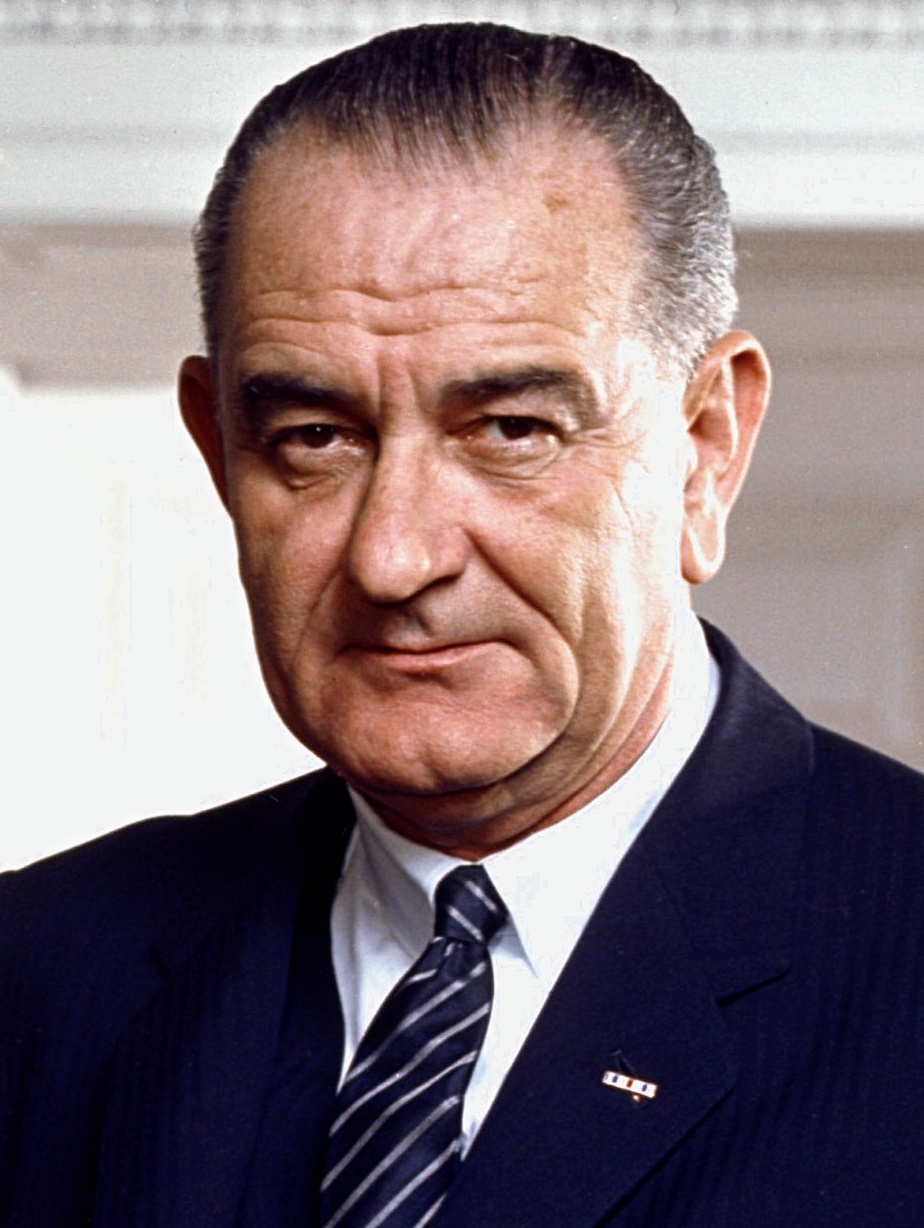



Historical and political context
The year witnessed several events that highlighted rising international tensions and internal reforms. In the Ottoman domains the Young Turk movement forced political change, while Austria-Hungary's formal annexation of Bosnia and Herzegovina created a diplomatic crisis among the great powers and in the Balkans. These developments fed longer-term rivalries that later influenced the outbreak of the First World War.
Major events and disasters
- Tunguska explosion: A vast airburst over a remote area of Siberia produced a shockwave and flattened trees over a wide zone; it remains a subject of scientific study.
- Messina earthquake (Italy): A destructive earthquake and consequent tsunami struck Sicily and Calabria late in the year, causing widespread devastation and large loss of life.
- 1908 London Olympics: The Games were held in London and included sporting innovations; the marathon distance run in 1908 established a course length that later became standard.
- Industrial milestones: The Ford Model T was introduced and automobile manufacturing began to scale up; major automotive companies were founded or expanded, accelerating the shift to mass motorized transport.
Science, culture and society
Scientific inquiry and popular culture both advanced. Aviation and early cinema continued rapid development; engineers and inventors pushed new technologies into wider use. Social movements — including labour organization and campaigns for expanded political rights — gained momentum in several countries. Urbanization and industrial work patterns were transforming daily life for many millions.
Notable births and legacy
Among those born in 1908 was Lyndon B. Johnson, who later became president of the United States. The events of 1908 left multiple legacies: the Tunguska event prompted further study of natural hazards, the Messina disaster influenced engineering and relief practices, and the Bosnian annexation underscored the fragile balance of European diplomacy. Together, these threads show 1908 as a year in which technological acceleration and geopolitical strain moved increasingly into the historical foreground.
Related articles
Author
AlegsaOnline.com 1908 Leandro Alegsa
URL: https://en.alegsaonline.com/art/111898