
Ferromanganese (Spiegeleisen): alloy of iron and manganese
Ferromanganese is an iron–manganese alloy used chiefly in steelmaking. This article explains its composition, production methods, historical role as spiegeleisen, industrial uses and how it differs from related alloys.
Overview
Ferromanganese is an industrial alloy composed primarily of iron and manganese. It serves as the main commercial source of manganese metal for the metallurgical industry. In practice, the alloy appears in several grades that differ in manganese and carbon content; one historically important grade is spiegeleisen, used in early steelmaking to restore manganese and carbon.
Image gallery
4 Images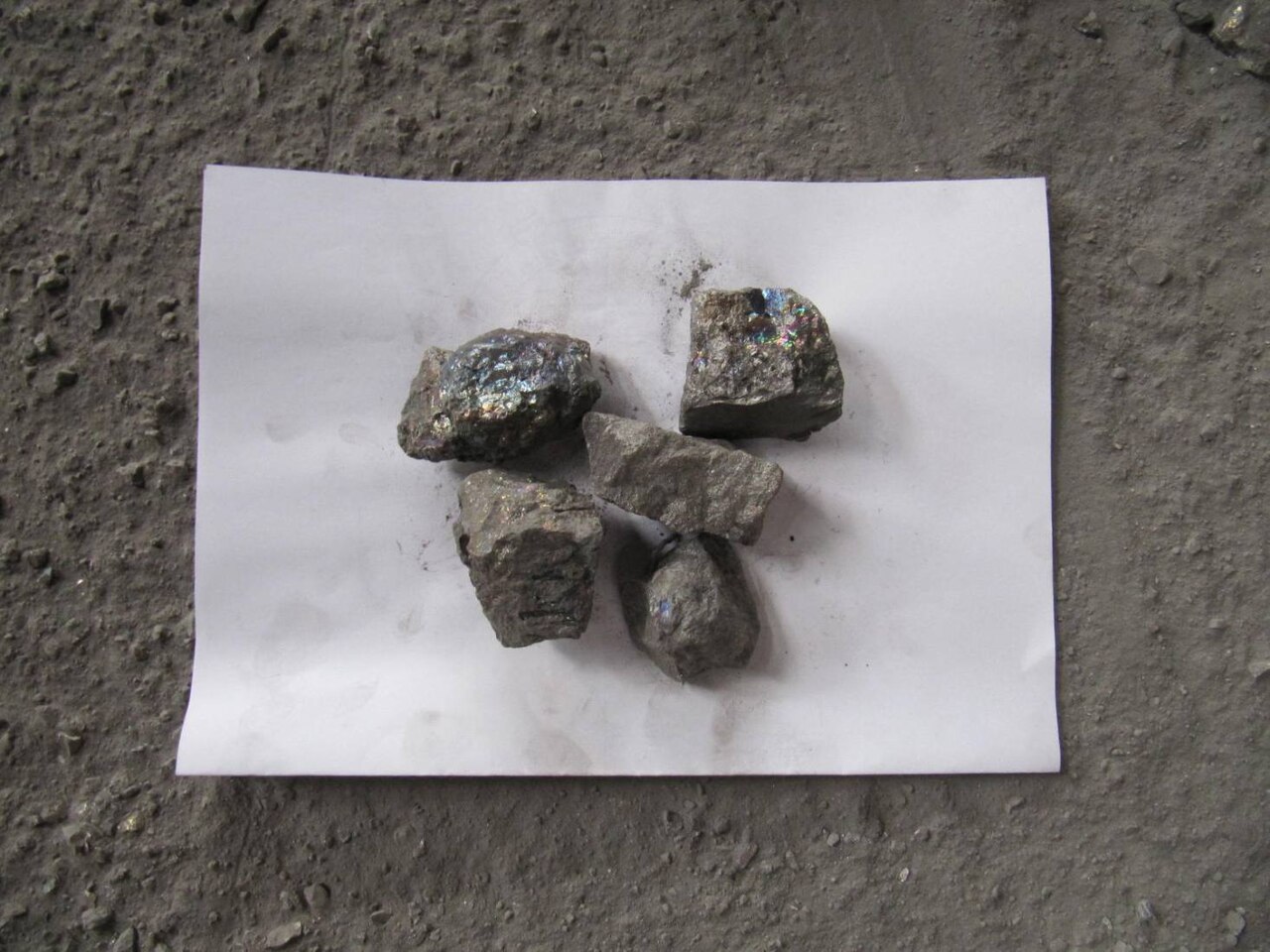


Composition and types
The composition of ferromanganese varies by grade. Typical classifications include high‑carbon, medium‑carbon and low‑carbon ferromanganese, each chosen to meet different process needs. Spiegeleisen traditionally contains a modest share of manganese and a relatively higher carbon content compared to modern low‑carbon products. Manufacturers adjust composition to control properties such as deoxidation power and alloying effect in steel.
Production and chemistry
Ferromanganese is produced by the reduction of manganese- and iron-bearing materials, commonly combining ore and scrap in high‑temperature smelting furnaces. Typical feedstocks include iron ore and manganese ore; the process usually uses carbonaceous materials as reductants. In many smelting methods elemental carbon acts as the primary reducing agent, converting metal oxides to the alloy while also contributing to the final carbon level of the product.
Uses and industrial importance
Ferromanganese is essential in steelmaking where it functions as a deoxidizer, helps remove oxygen and sulfur, and supplies manganese to improve strength, hardness and wear resistance. It is commonly added during steel casting or in ladle treatments. Other applications include alloying in cast irons and non‑ferrous metallurgical processes where manganese is required.
History and development
Historically, spiegeleisen played a key role in 19th‑century steel processes such as the Bessemer method: after air blowing removed carbon, spiegeleisen restored both carbon and manganese to produce usable steel. Over time, process control and the variety of manganese alloys expanded, leading to specialized products tailored to modern steelmaking challenges.
Distinctions and practical notes
Ferromanganese differs from related alloys such as silicomanganese, which contains significant silicon; the choice between them depends on desired deoxidation and alloying effects. Quality considerations include manganese content, carbon level and impurities like sulfur or phosphorus, which are managed to meet steelmakers' specifications. Environmental and economic factors—raw material availability, energy use and furnace type—also influence production and grade selection.
- Types: high‑C, medium‑C, low‑C, and historical spiegeleisen.
- Main roles: deoxidizer, alloying additive, source of manganese for steel.
- Production: ore reduction in furnaces using carbon reductants.
Related articles
Author
AlegsaOnline.com Ferromanganese (Spiegeleisen): alloy of iron and manganese Leandro Alegsa
URL: https://en.alegsaonline.com/art/34092