
Ferrous (iron-containing): definition, properties, and uses
Pertaining to iron or iron(II). Covers ferrous metals and compounds, terminology from Latin ferrum, industrial uses, corrosion and magnetic properties, and differences from non‑ferrous materials.
Overview
Ferrous is an adjective used to indicate the presence of iron. The word derives from the Latin term ferrum, meaning iron, and in general contexts describes metals, alloys or chemical species that contain iron. In industry the term commonly appears in contrast to non‑ferrous, which denotes metals without iron such as aluminum or copper. For a basic reference to the element itself see iron.
Image gallery
8 Images



Characteristics of ferrous materials
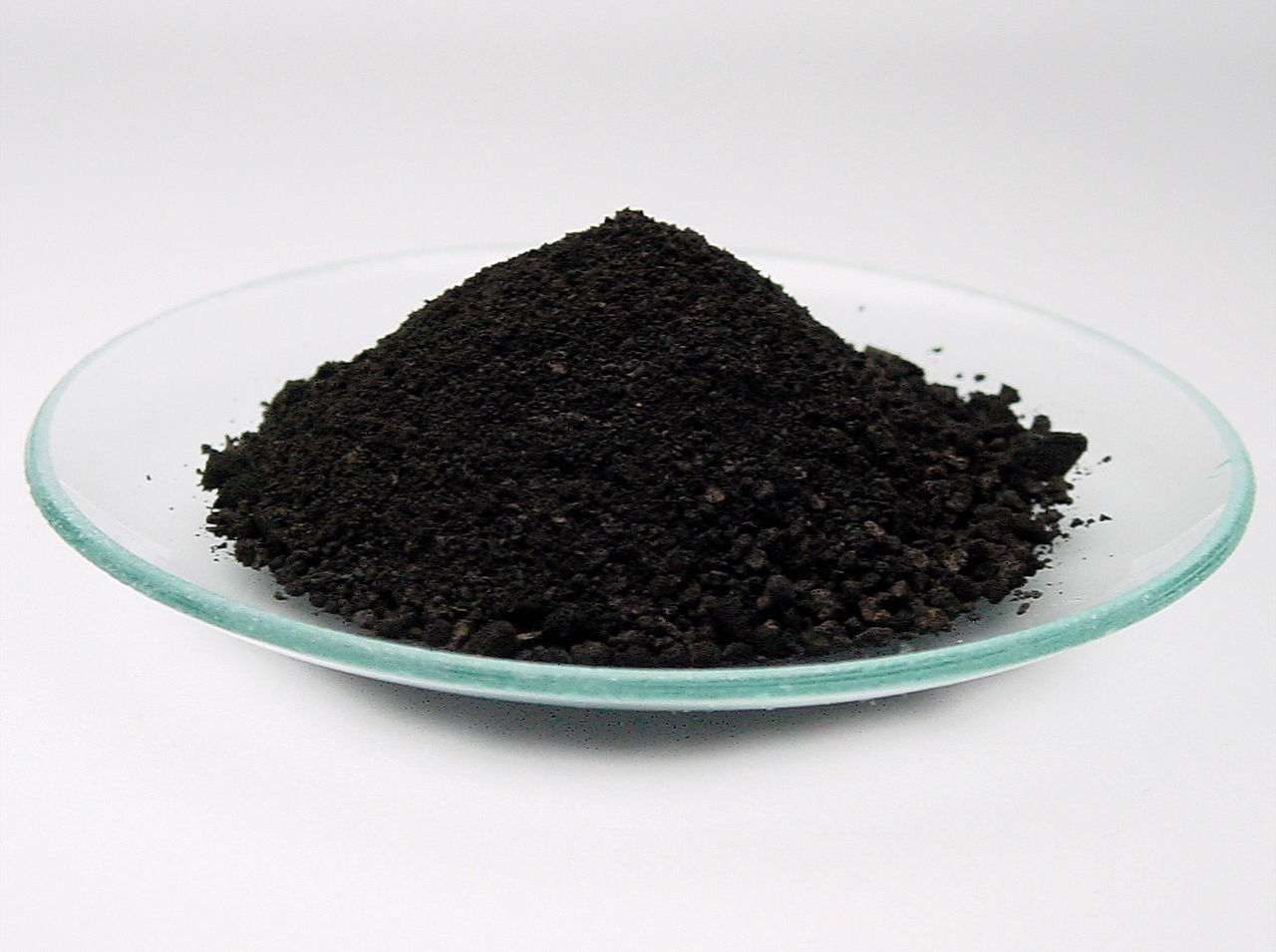
Ferrous metals typically include pure iron and a range of alloys where iron is the principal component. Common examples are steel (an iron‑carbon alloy) and cast iron. Typical physical and chemical properties include good tensile strength, often notable magnetic behavior, and a tendency to oxidize (rust) when exposed to oxygen and moisture. Many ferrous materials are recyclable and form the backbone of heavy industry and construction.
Typical categories
- Wrought iron: low carbon, historically used for decorative ironwork and small structural elements.
- Cast iron: higher carbon content, hard but brittle, used for pipes, cookware and engine blocks.
- Steel: a broad family of alloys with controlled carbon and alloying elements for structural, tool and stainless variants.
History and terminology
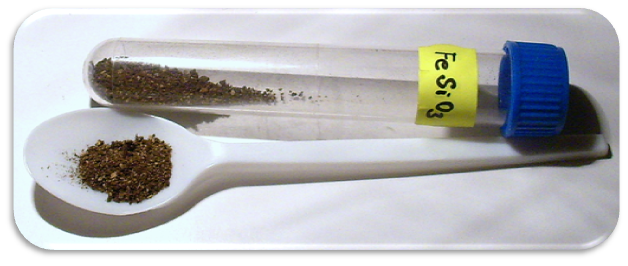
The adjective follows classical roots and has long been used in metallurgy and trade. In chemistry, "ferrous" historically signified iron in the +2 oxidation state; for example, ferrous sulfate contains iron(II). Modern systematic nomenclature often prefers the explicit form iron(II) to avoid ambiguity, while the contrasting term "ferric" refers to iron in the +3 state. For notes on oxidation state naming see iron(II).
Uses, importance and examples
Ferrous metals are central to construction, transportation, machinery and manufacturing because of their strength and adaptability. Steel is used in buildings, bridges, vehicles and tools. Ferrous salts have roles in agriculture as micronutrients and in medicine as iron supplements (e.g., ferrous sulfate). Ferrous materials are also widely recycled, making them economically and environmentally significant.
Distinctions and notable facts
Key distinctions are between ferrous and non‑ferrous metals, and between ferrous (iron(II)) and ferric (iron(III)) chemical species. Many ferrous alloys are magnetic, though some stainless steels are not. The susceptibility of iron to corrosion is a major engineering concern; protective coatings, alloying and cathodic protection are common mitigation strategies. The term "ferrous" also appears in cultural contexts; for example, a musical piece titled "Ferrous" has been associated with Peter Gabriel. For industrial aspects see metallurgy.
Related articles
Author
AlegsaOnline.com Ferrous (iron-containing): definition, properties, and uses Leandro Alegsa
URL: https://en.alegsaonline.com/art/34093